Jannik Sinner, renowned mental coach raises alarm
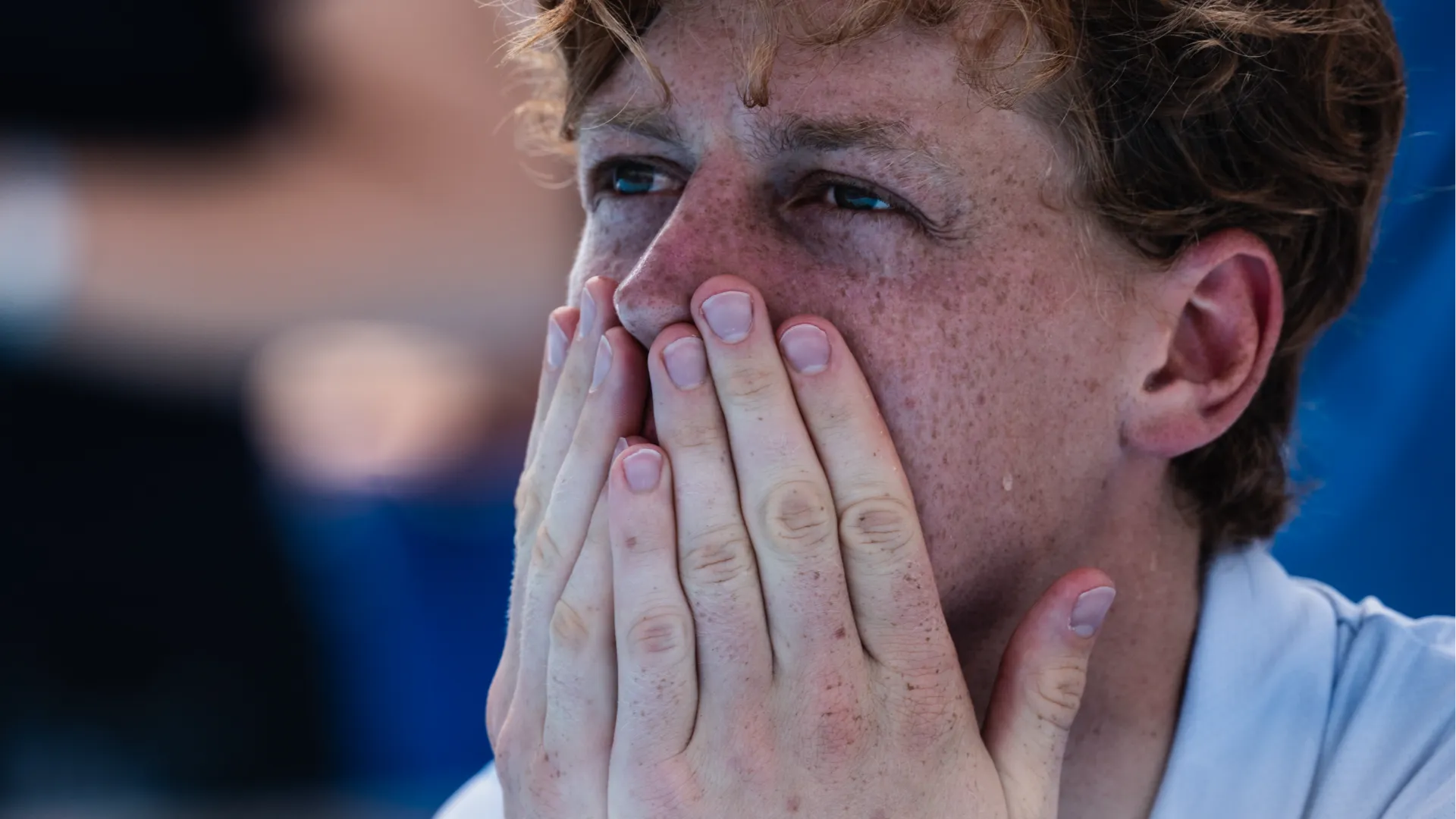
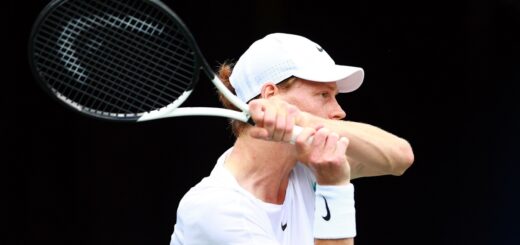
Jannik Sinner’s withdrawal during the Cincinnati tournament final had many worried: the San Candido ace played just 23 minutes before raising the white flag. “I am so sorry, especially because the match lasted so short and I know it was not easy for many to be there because they would have to work. I am sorry to have disappointed the public” he said.
Nicoletta Romanazzi, renowned mental coach who supported the likes of Marcell Jacobs, Gianluigi Donnarumma and many others, sounded an alarm: “Often in top athletes the competitive part is out of proportion, they train like there is no tomorrow”.
“Of course, it is hard to tell from a distance what happened – he told ANSA’ANSA– it could have been an intestinal flu, but he was certainly tired. After Wimbledon he was off for a month, it is true, but it would be important to understand how. Every once in a while you need to really take off, to get back to performance and to really enjoy what you”re doing.
Nicoletta Romanazzi then elaborated on this issue: “If competitiveness is very high, for the athlete, listening to the body is zero. It’s an unknown entity: if the body gives signals, it does not perceive them. That’s why I try to make my athletes understand that rest is as important as training. Our system responds to precise rhythms: the peaks last 90/120 minutes, then comes the valley which is important: if we don’t listen to it and for 20 minutes we slow down, the next peak will be lower, and the next one even lower, until we get to the situation where either I don’t feel like doing anything anymore or I’m always out of the loop, an anxiety situation. This happens when we don’t respect our cycle: if athletes understand this, they allow themselves the weekly gluttony to the diet, the’going out with friends, the rest. More time for themselves, and they become better performers and have fun: fun is essential”.
“My example is Olympic gold medalist Luigi Busà: he wanted to go to the Games, karate was his life, he had to be No. 1 at all costs but suddenly he couldn’t take it anymore and wanted to quit. He thought he was having fun, actually he was not. Now he knows how to take breaks: and he still does karate” concluded the mental coach.