Women’s relay, the Azzurre come close to the podium.
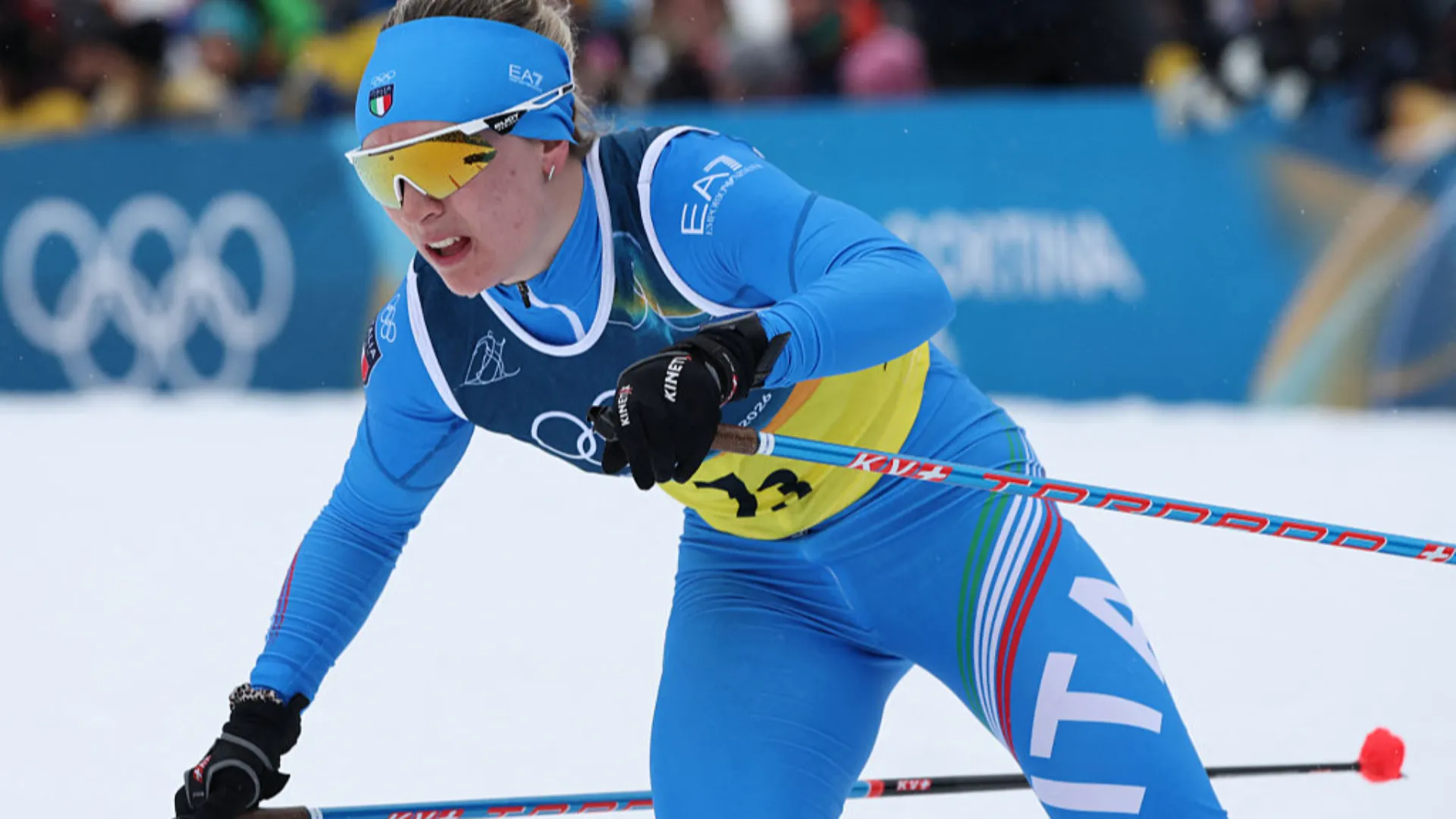
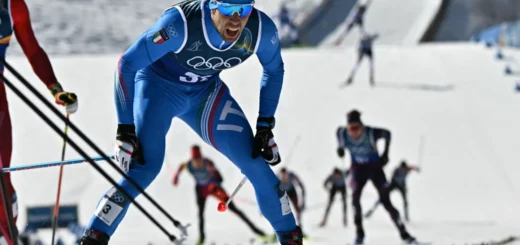
The Norway wins gold in the Olympic women’s cross-country skiing relay in Lago di Tesero, Val di Fiemme. Italy closes with an excellent sixth place after having long cherished the dream of a medal that, on the eve, seemed prohibitive. Blue stars Iris De Martin Pinter, Caterina Ganz, Martina Di Centa and Federica Cassol. The race was run on heavy, wet snow, conditions that affected from the first leg. Sweden, with Linn Svahn, finished in the lead, but behind her came De Martin Pinter, who was adept at interpreting a complex technical situation to the best of her ability.
In the second segment the race experienced decisive moments: Ebba Andersson fell twice-first on the uphill and then on the downhill, also losing a ski-opening the door wide open for Norway. With Slind, the Scandinavians took the edge, while Ganz gritted her teeth by staying in the wake of Finland and Switzerland until the changeover. With the switch to skating, the Norwegian lead was consolidated thanks to Simpson Larsen and then Weng. Sweden’s comeback was led by Frida Karlsson, who came in at the changeover just behind a brilliant Di Centa, who was in provisional third after pulling away from Switzerland and keeping in touch with Finland.
The last fraction sealed Norway’s triumph, with Weng crossing the finish line in 1h15’44″8. Jonna Sundling controlled the finish securing silver for Sweden (+50″9), while Finland took bronze at 1’14. At the foot of the podium Germany and the United States. Italy, with Cassol, finished sixth at 1’59 from the winners, at the end of a generous and high-level test.
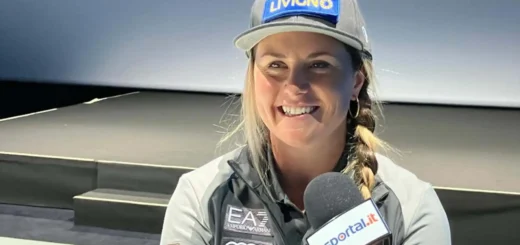
Great satisfaction in the words of the Italian women. De Martin Pinter stressed the solidity of her split after an underwhelming sprint, highlighting the brilliance of legs, arms and materials. Ganz spoke of a “thrilling race,” recounting the close fight and total commitment in the last climb. Di Centa reiterated that he believed in it all the way, strong from the excellent first two fractions. Cassol, finally, called the test “superlative,” acknowledging margins for growth in the distances but also the awareness of having given everything, propelled by an extraordinary public.