2026 World Cup: Tensions Escalate Between Gianni Infantino and UEFA—The Incredible Backstory, and Donald Trump Is Involved, Too
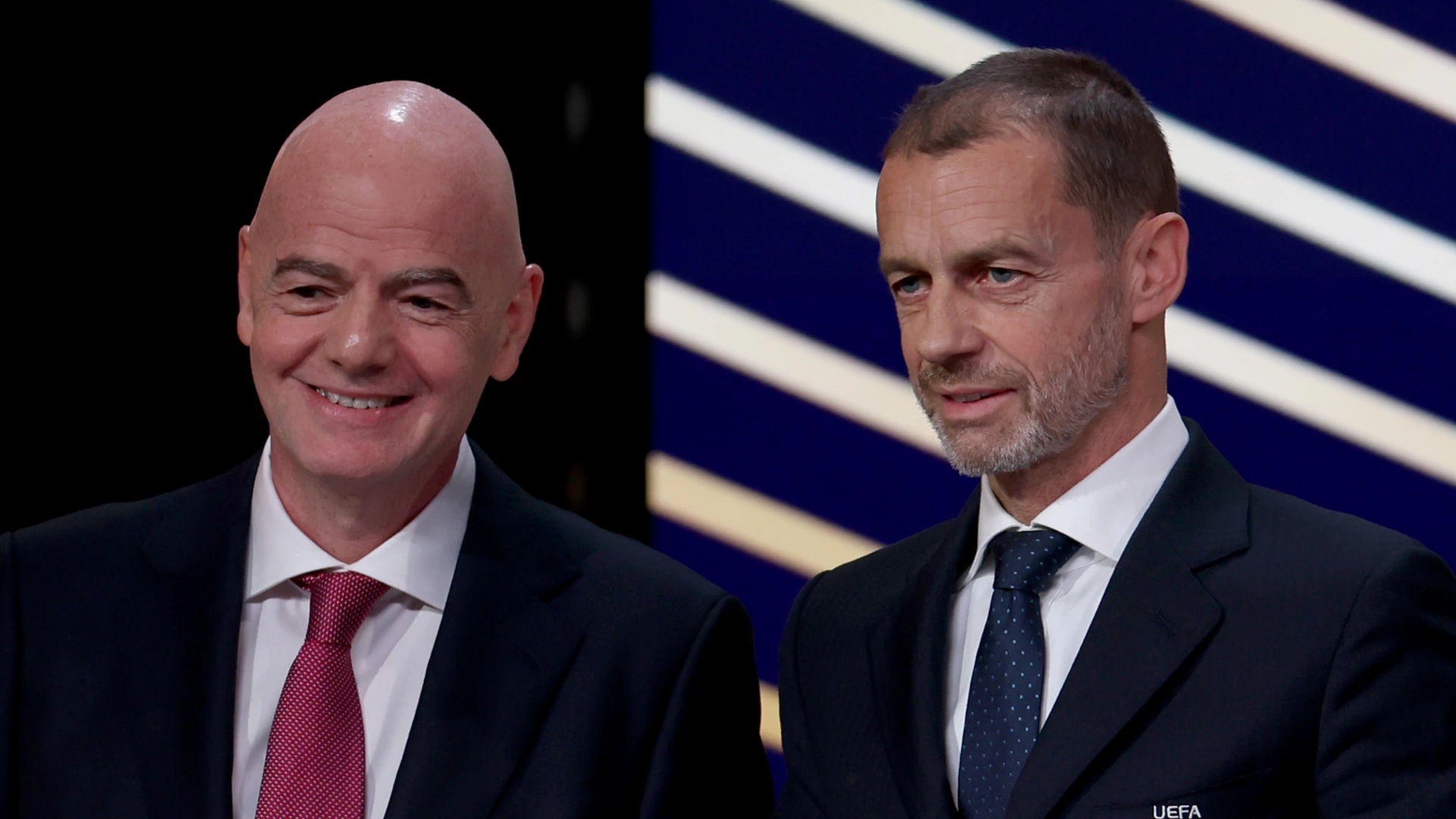
It’s not just what happened between Spain and Argentina, before and after the 2026 World Cup final, that has fans and insiders talking. Behind the scenes, in fact, international soccer has experienced an unprecedented rift: according to a report in The Telegraph, the absence of UEFA President Aleksander Ceferin from the stands was due to a boycott by the Slovak official, in protest against FIFA’s handling of the tournament and against interference by U.S. President Donald Trump.
According to the British newspaper, the final decision not to attend MetLife Stadium was made following the now-infamous “Balogun Case,” which involved Trump’s call to FIFA President Gianni Infantino and the lifting of the suspension of the U.S. forward. The very next day after that decision, UEFA issued a scathing statement calling it an “unprecedented, incomprehensible, and unjustifiable decision,” accusing the world governing body of having “crossed a red line.”
A boycott is a rare occurrence in soccer history: a UEFA president skipping the World Cup final sends a very strong political signal and confirms a complete breakdown in relations with Infantino, of whom Ceferin is also formally the vice president. The UEFA president was also reportedly outraged by the denial of entry into the United States for Somali referee Omar Artan (who, not coincidentally, had been appointed to officiate the UEFA Super Cup by the European confederation itself) and by the treatment of the Iranian national team during the tournament.
The differences are deep on other issues as well: Ceferin opposes the idea of expanding the World Cup from 48 to 64 teams, a possibility floated by Infantino in recent days; he has lashed out against what he considers prohibitive ticket prices and has refused to adopt some of the new rules introduced by FIFA, such as a red card for players who cover their mouths during an argument or who leave the field in protest.
The 2026 final, therefore, did not merely crown Spain: it raised the curtain on the most serious institutional crisis in soccer in recent years, and Ceferin’s sensational and unprecedented move could be just the beginning of a long political battle at the heart of world soccer.