Olimpia in Belgrade, where basketball is a religion: the “kavezi” never fail to captivate
Olimpia Milano kicks off its new EuroLeague campaign Friday night in Belgrade against Partizan. For Poeta’s team, it’s a challenging opener in the electric atmosphere of the Belgrade Arena, where average attendance often exceeds 18,000.
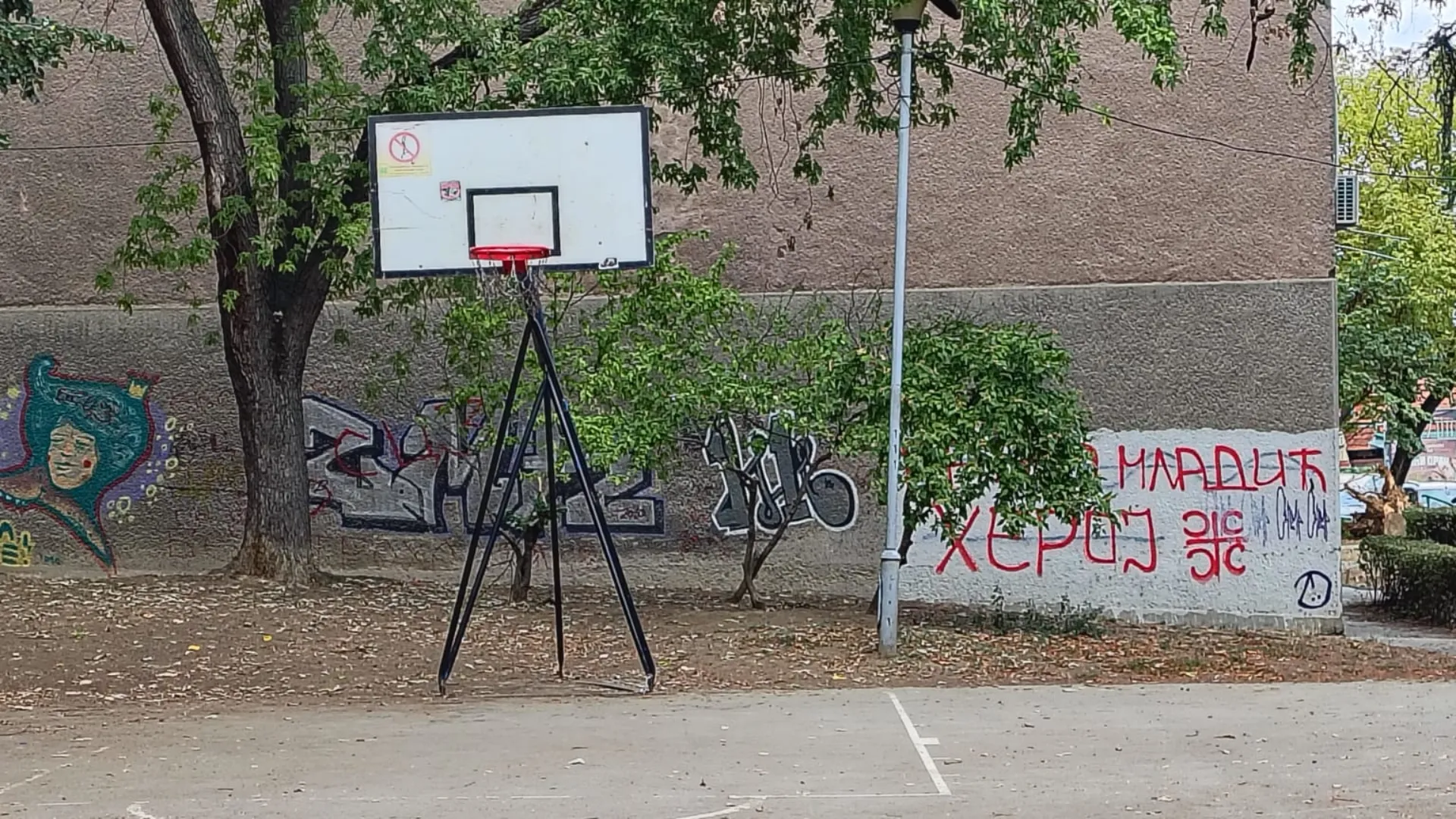
In Serbia, basketball is not simply a sport, but a collective faith. While Belgrade’s large arenas serve as the cathedrals of this cult, the “kavezi” (the “cages”) are its most authentic sanctuaries—the places where the dogma of Serbian basketball is passed down from generation to generation.
The term “kavez” refers to the characteristic urban outdoor courts, featuring a single basket and often enclosed by metal fences. These are the historic arenas of streetball and 3×3 basketball. Iconic courts such as the famous Mozzart 3×3 Kavez in Belgrade or the historic court in Šabac are the places where Serbia’s reputation as a global powerhouse of streetball and basketball was born.
Crossing the threshold of a kavez means entering sacred ground where unwritten rules of respect, intensity, and pure talent reign. In those frenetic half-court games, under the scorching sun or the artificial lights of the evening, the basketball played is tough, physical, and requires a very high level of intelligence. It is here that Serbian children grow up emulating local legends and NBA champions, learning the fundamentals even before setting foot on the court of a real gym.
For the Serbian people, basketball is an element of national identity, a cultural redemption, and a philosophy of life. The kavezi are the beating heart of this devotion: veritable open-air training grounds that continue to shape the character, resilience, and boundless talent that make Serbia the promised land of world basketball.