Jannik Sinner on a day unlike any other: “It wasn’t the first time”
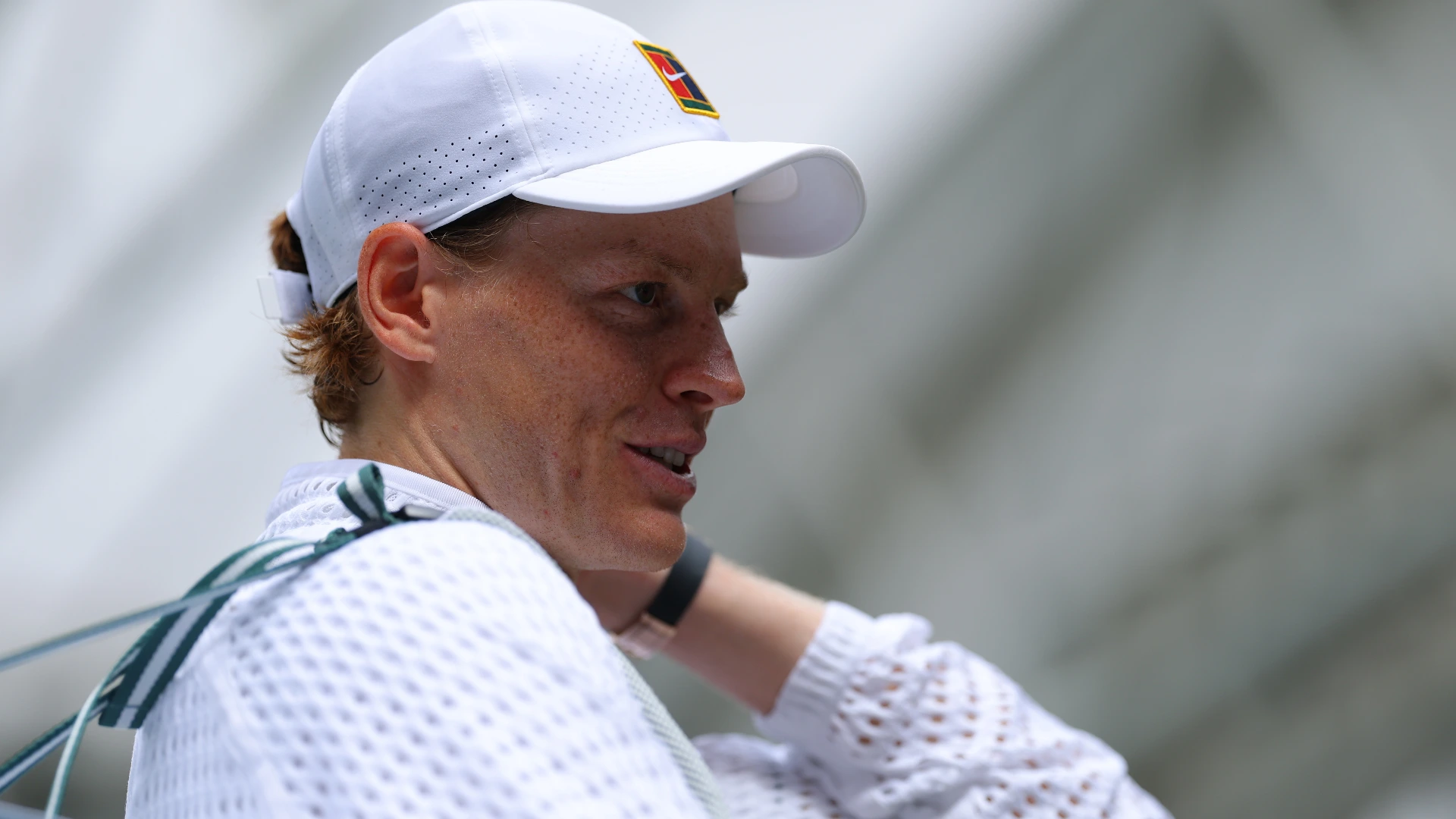
Jannik Sinner returned to Sesto Pusteria, his hometown, for a few days and took the opportunity to visit his friends at OSG 3 Zinnen, a soccer team that plays in South Tyrol’s second amateur league.
The Italian champion, fresh off the announcement that he was taking a break due to knee problems, stopped by to say hello to the team during a training session, taking a moment to reconnect with his roots away from the tennis courts.
This wasn’t Sinner’s first visit to his hometown team. “It wasn’t his first visit to us. Whenever he can, Jannik is always happy to stop by. We’re obviously very pleased about this,” the club wrote on its Instagram channel, also posting a photo of the visit.
The decision to end the season early brings the issue of injury management in modern tennis back into the spotlight—a sport increasingly shaped by the intensity of rallies and the speed of play. Toni Nadal, uncle and former coach of Rafael Nadal—a champion who had to cope with physical problems for a long time during his career before winning 22 Grand Slam titles—highlights a specific aspect.
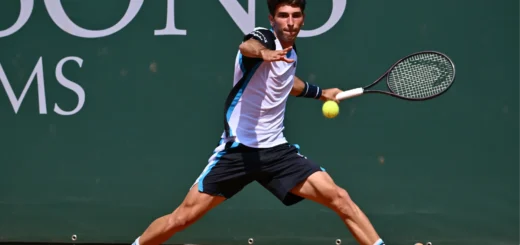
In Toni Nadal’s analysis for *La Gazzetta dello Sport*, Sinner’s posture and the way he moves on the court deserve special attention. “Sinner is a player who stays very low on his legs; he bends his knees a great deal,” he explains. This technical characteristic allows the Italian to achieve balance, speed, and precision in his movements, but, according to Nadal, it can also subject his body to repeated stress.
“When you run that much, every time you come to a stop there’s a constant impact that eventually wears you down,” observes the Spanish coach, pointing to the repetition of movements and changes in direction as one of the factors to consider. “When you play at this speed, there’s always some sudden movement, and that’s how injuries happen.”