Jannik Sinner: The expert’s doubt: “The problem is figuring out why”
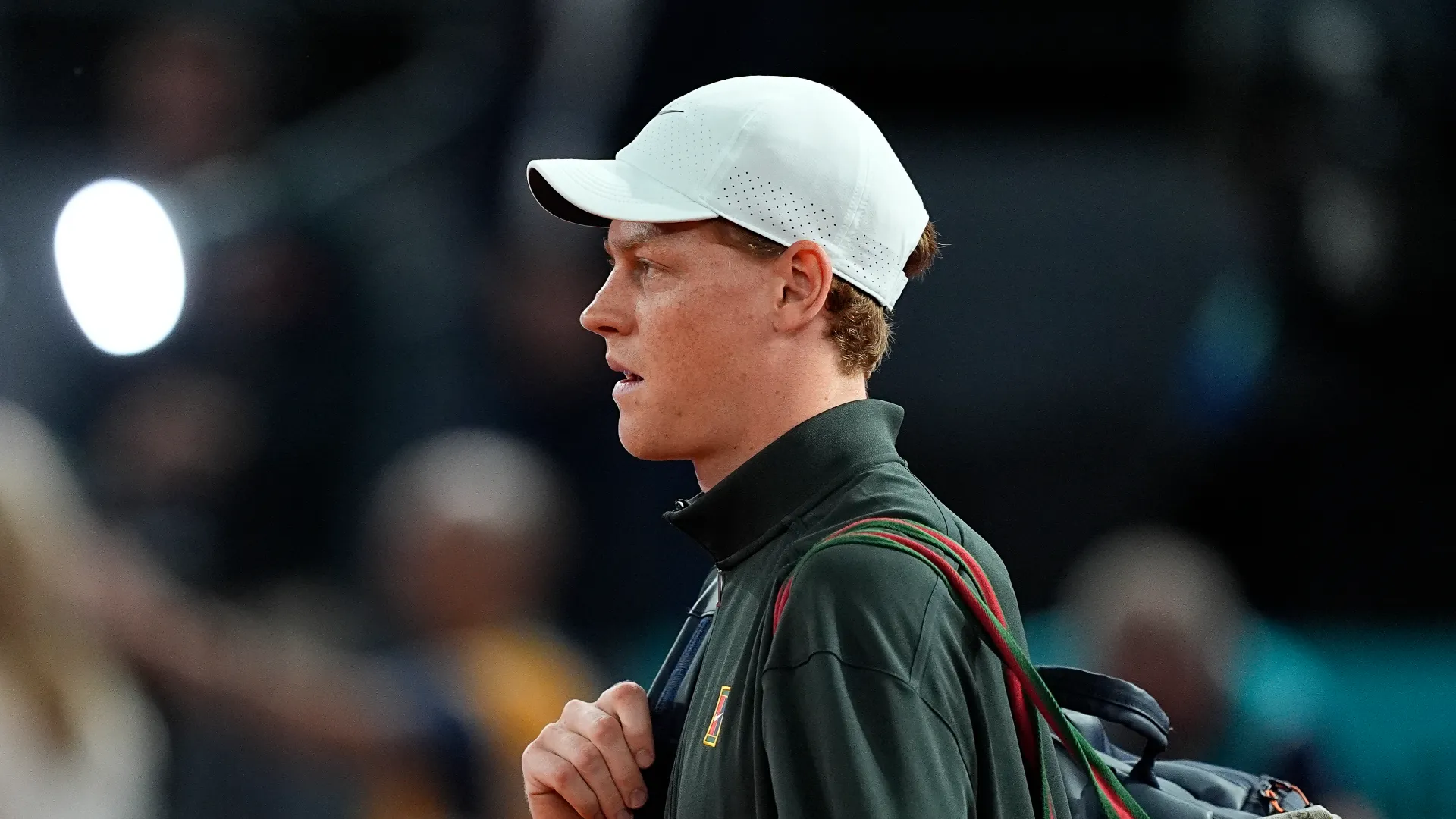
Jannik Sinner has flown to Finland to undergo surgery that should allow him to permanently resolve his iliotibial band issue—the inflammation that forced him to sit out the final stretch of the 2026 season. But what exactly is this condition, why can it become so debilitating, and what are the treatment options? Dr. Rodolfo Rocchi, an orthopedic surgeon and traumatologist specializing in hip and knee surgery with extensive experience in sports traumatology, explains the clinical picture to *La Gazzetta dello Sport*.
“Iliotibial band syndrome affects a structure that originates on the outer side of the hip, runs down alongside the femur, extends to the side of the knee, and attaches to the tibia. It can be considered almost a flexor and rotator of the tibia and physically rubs against the lateral wall of the femur. When it becomes taut, the tibia rotates, and this causes inflammation—a chemical reaction—in a very robust fascia. “When it comes into conflict, it becomes irritated, thickens, and can no longer perform the function for which it was designed—namely, the very act of flexing and rotating the tibia,” explains Rocchi.
This is a particularly insidious condition, partly because the cause triggering the inflammatory process is not always immediately apparent. In Sinner’s case, according to the specialist’s analysis, it appears to be a unilateral problem—a fairly common characteristic of this type of disorder: “The challenge is understanding why this happened. For example, in this case, the problem should be unilateral, not bilateral. Unilateral involvement in iliotibial band syndrome is very common because it is a condition that affects the structures of the knee in a very selective manner. However, the origin is usually an imbalance that starts in the pelvis and hip and travels down the limb. For example, hip rotation is one of the factors that can lead to the condition. Specifically, marked inward rotation of the hip can place greater tension on these structures. Let’s say it’s a combination of factors that manifest and concentrate their effect on a very small area—that of this infamous band.”
The first course of action in these cases is generally a conservative approach, without resorting to surgery. For a top-level athlete, the treatment plan may include specific exercises to identify and eliminate the biomechanical causes of the problem, as well as targeted management of recovery and training loads. Surgery is an option to be considered only when other strategies have not produced the desired results: “It can happen. These are decisions made based on the characteristics of the specific condition, the injury, and the recovery period. The first option is undoubtedly conservative, not surgical. Surgery on the band also requires a very long recovery period, so it’s not a path that’s taken right away. When an athlete—as is often the case with many tendinopathies—chooses to avoid surgery and lets time pass, it becomes increasingly difficult to opt for surgery later on, partly because it involves long recovery times,” the orthopedic surgeon emphasizes.
Rocchi also highlights the importance of identifying any functional imbalances or overloads, which may stem from the athlete’s anatomical structure, posture, or hip rotation. This is a process that must involve the entire staff, without necessarily attributing responsibility to errors in athletic training: “Athletes like this are cared for by highly competent colleagues who usually recommend against surgery, but another factor must also be considered: in these tendon pathologies, there are associated causes that must be thoroughly identified, especially functional causes related to overuse. There may be factors related to the way the lower limbs bear weight that cause overload in these areas, and these must be addressed in order to prevent or avoid the condition. We are, however, dealing with one of the most troublesome tendinopathies there is.”