
Creatine: Why Athletes Love It So Much—What It’s Really For and How to Take It
Creatine: Why Athletes Love It So Much—What It’s Really For and How to Take It
From a volleyball block to a sprint down the sideline, explosive movements are powered by the same mechanism: here’s what science says and what mistakes to avoid.
A block, a jump serve, a diving save—and then back to the start for two hours. Italian volleyball, world champion in 2025 with both the men’s and women’s national teams, has drawn crowds to the arenas. It has also shone a spotlight on just how much physical conditioning matters in a sport made up of short, repeated bursts of effort. And this is precisely where creatine comes into play—the most talked-about supplement in locker rooms, from the Super League to Serie A soccer. But what is creatine used for, does it really work, and how should it be taken?
The Engine Behind Explosive Efforts: What Is Creatine?
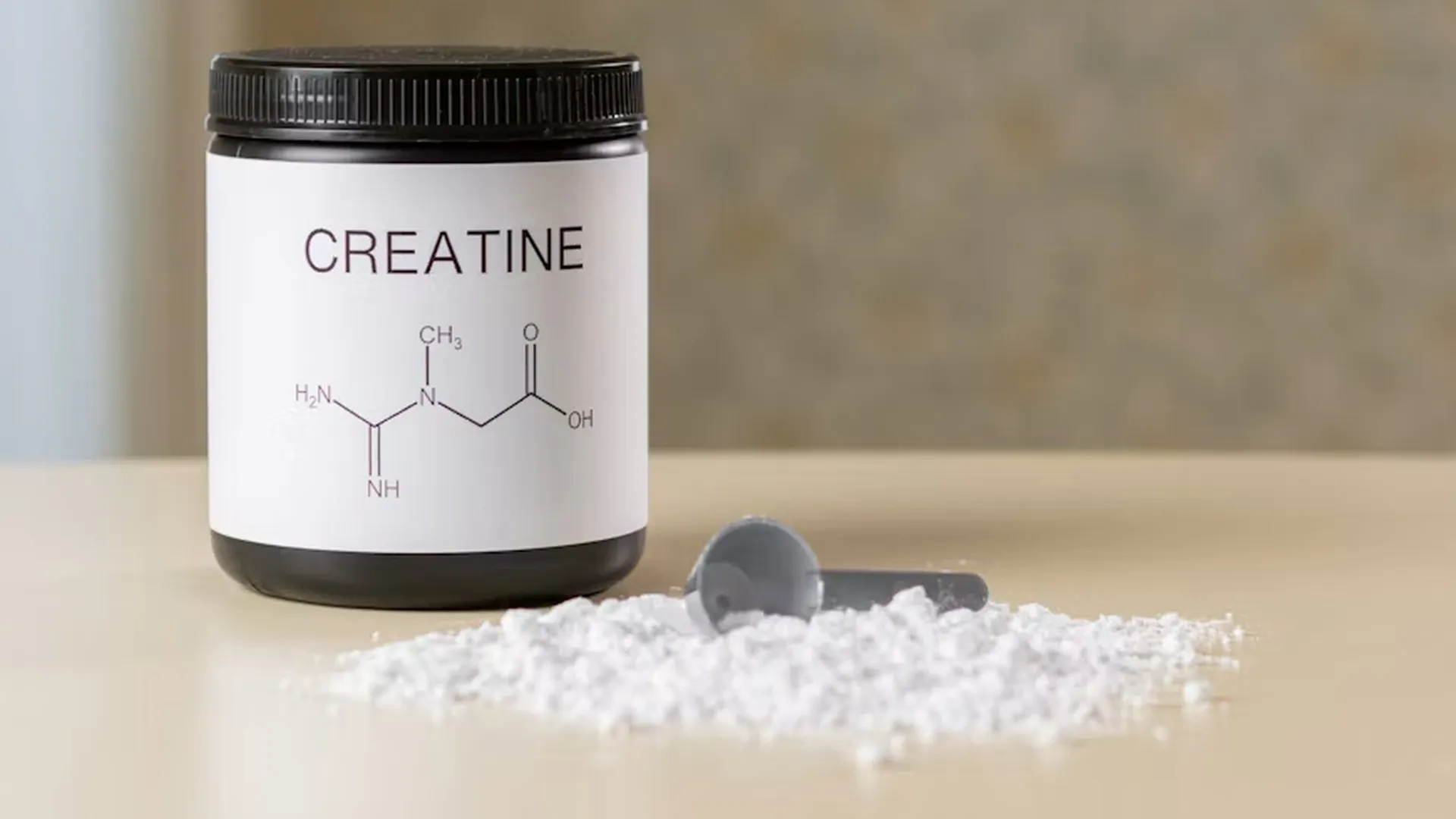
Creatine is a substance that the body produces on its own from three amino acids: arginine, glycine, and methionine. Some creatine also comes from the diet, especially from meat and fish. About 95% is stored in the muscles, where it helps regenerate ATP—the fuel for the most intense contractions—in just a few seconds. In practice, it’s the reserve the body draws on when it needs to explode: a ten-meter sprint, a change of direction, or an attack from position four.
It’s no surprise, then, that in volleyball, there’s a strong focus on supplementation and that athletes carefully choose which brands to trust. Even the Italian national team stars are putting their names behind it: on nutripure.com/it-it Loveth Omoruyi, an Olympic and World Champion, explains that she chose the brand for the purity of its ingredients and the effectiveness of its products. For Leonardo Scanferla, a world champion, quality and reliability are essential for peak performance and muscle recovery after training sessions and matches.
Benefits of Creatine: Research Findings
There is one undisputed fact regarding the benefits of creatine. The EFSA, the European Food Safety Authority, acknowledges that 3 grams per day improve performance in short, intense, and repeated exercises. This is the perfect description of a volleyball, basketball, or soccer game, where maximum effort is repeated dozens of times with short breaks. At the gym, the effect is indirect but tangible. You can manage a few more reps with the same weight, your training volume increases, and, over time—along with a good strength training program—you’ll also see an increase in muscle mass. Recent research has broadened the scope: from maintaining muscle mass after age 50 to supplementation in female athletes, and even to possible effects on cognitive function—though the data on this remain preliminary. And one clarification is essential: creatine is not a performance-enhancing drug. It does not appear on WADA’s list of prohibited substances and is used legally in all sports.
Creatine, dosages, and timing: how to take it
The literature is fairly consistent regarding creatine dosages. For most athletes, 3–5 grams per day is sufficient, taken every day, including non-training days. Some trainers recommend an initial loading phase of around 20 grams per day, divided into multiple doses over 5–7 days. This helps replenish muscle stores more quickly, but it’s not mandatory: with the standard dosage, you’ll reach the same level in three to four weeks.
Consistency in timing is more important. Many take it after a workout along with a meal containing carbohydrates and protein, making sure to drink enough water. There’s little doubt about the form: creatine monohydrate is the most extensively studied, and the more expensive versions have not demonstrated any concrete benefits. It’s best to opt for pure, certified products, such as those meeting the Creapure® standard.
Side Effects and Myths
The most common concern is about the kidneys. In studies of healthy individuals, at the recommended dosages, no damage to kidney function was observed. However, those with kidney conditions should consult their doctor first, as should minors and women who are pregnant or breastfeeding.
The other myth is that creatine causes “bloating.” In the first few weeks, you may actually gain one or two kilograms. However, this is mainly water retained within muscle cells, not subcutaneous water retention. And it’s not just for bodybuilders: volleyball players, soccer players, tennis players, and sprinters are among the athletes who can benefit the most from it.
The rule that every coach repeats to his players still holds true: no dietary supplement works miracles. Creatine works when combined with a balanced sports diet, consistent training, and adequate rest. The rest is down to hard work in the gym and on the field.