Jannik Sinner and the ATP Finals: Adriano Panatta Gets More and More Critical: “It’s really getting on my nerves”
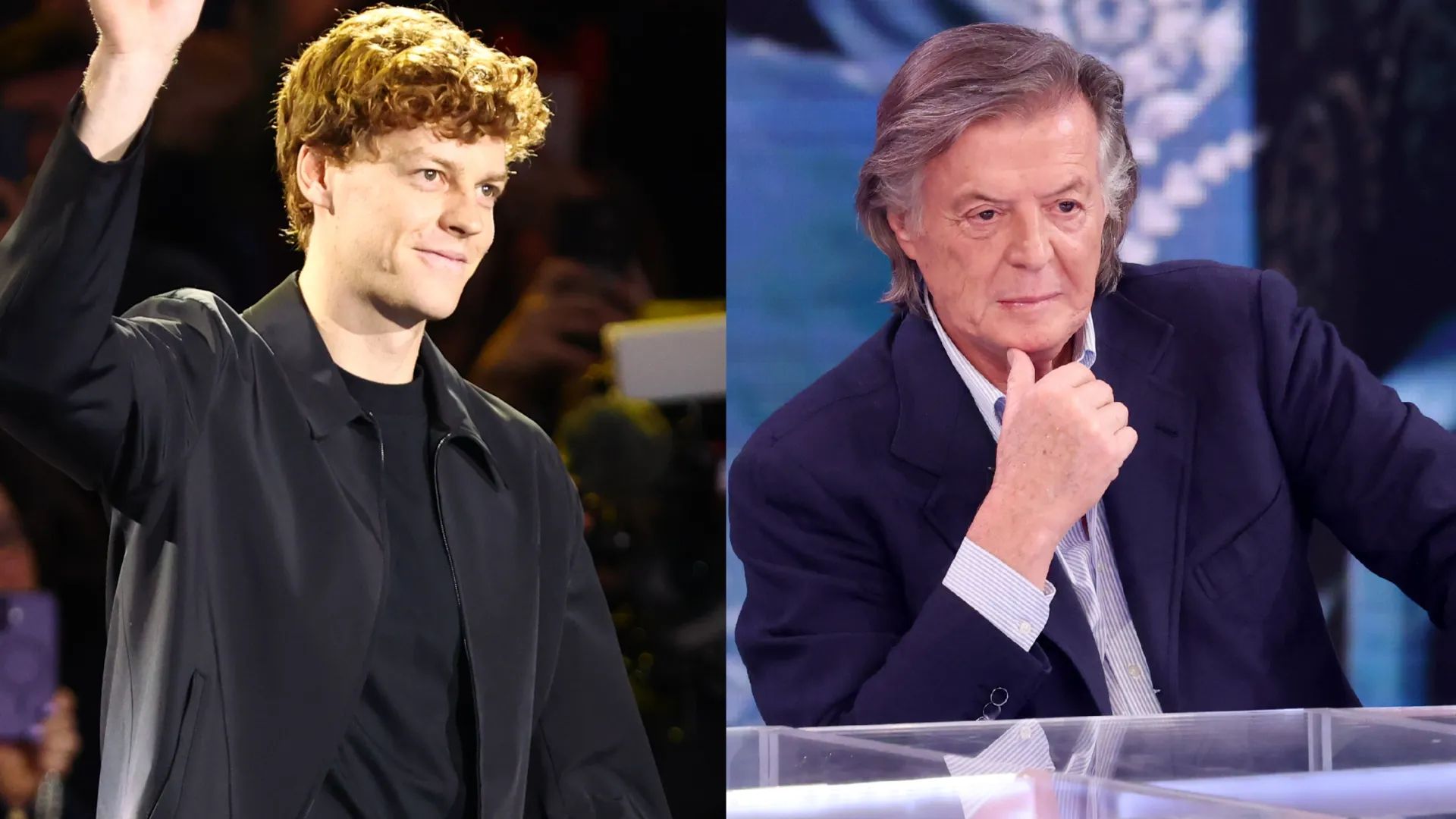
In the pages of *Corriere della Sera*, Adriano Panatta has once again launched a scathing attack on the ATP Finals and their extremely fast surface, which often cuts short rallies. But that’s not all: it’s the entire atmosphere that leaves the former Italian national team player skeptical. “230 km/h serves that seem to travel on a monorail; the surface does the rest: it amplifies and propels the ball. The one in Turin triples that effect… Match point is announced in giant letters, accompanied by the crackling sounds of battle. Are we going to war? There’s music during the changeovers—just forty seconds, but deafening. Images of people waving from the giant screen. Matches that last about an hour, if you’re lucky. It’s Ibiza-style tennis…”.
It’s an increasingly frenzied brand of tennis, always played at the limit and where players often get hurt, as happened to Jannik Sinner: “I wonder if people actually like this kind of thing. If you tell me yes, I’ll say fine—keep this tennis for yourselves, while it lasts. But be careful—it might not last long. It’s not true that players are playing more than they used to (well, let’s just say it… back in my day), but they’re playing at the limit, and sometimes—maybe even often—they get hurt. I don’t like it at all. But I’m a dinosaur, old-school, even in my choice of words. So I’ll tell you using a technical term… To me, tennis like this really pisses me off.”
Panatta then gave the example of Flavio Cobolli, who had already been eliminated: “We have a player who represents us in this final stage of the season: Flavio Cobolli. In my opinion, he’s the best new talent in tennis for the 2025–2026 era. A ‘post-Sinner’ era that’s just beginning, even though Jannik still has ten years ahead of him. We’re lucky to have young players like Flavio. He’s always improving, already in the Top Ten, with twin turbo engines, a solid serve, an excellent forehand, and a strong backhand— someone who gives it his all on the court, fighting tooth and nail to make his matches count, and who earned a spot in the Finals thanks to his Roland Garros final, his Wimbledon quarterfinal, and key victories like the one in Acapulco. And he finally made it to Turin, to his great credit, to play on a court that’s the exact opposite of the kind where he can perform at his best. Well, what can I say… Anyway, I just don’t get it… The lights, the noise, the award ceremonies.”
And then the bitter conclusion: “It seems to me, at times, that the ATP is experimenting with a different kind of tennis, and it makes me sick just to think about it. For years I’ve seen attacks on my sport, starting with the Davis Cup, reduced to a mere footnote on the calendar, where the finals are played on Thursday or Friday because other tournaments have to start. And I wonder if all this is acceptable. I wonder what kind of tennis they’re aiming for. Mind you, I don’t regret my own tennis—don’t even try to think that. The whole sport moves faster than it used to; it’s a necessity—the equipment allows for it, and the athletes have physiques like statues. I do wonder, however, if all this respects the public’s wishes. I’m thinking of the Grand Slams—Paris and Wimbledon—but also the ones farther away, like Melbourne and New York. There, the crowd cheers for the players who manage to take the match to a fifth set, to that final battle—the one that’s the most thrilling and worth the price of admission. That’s just how we dinosaurs are—we want excitement. And if they don’t give it to us, it really gets on our nerves.”