Jannik Sinner in Finland: What’s Happening and Recovery Time if He Undergoes Surgery
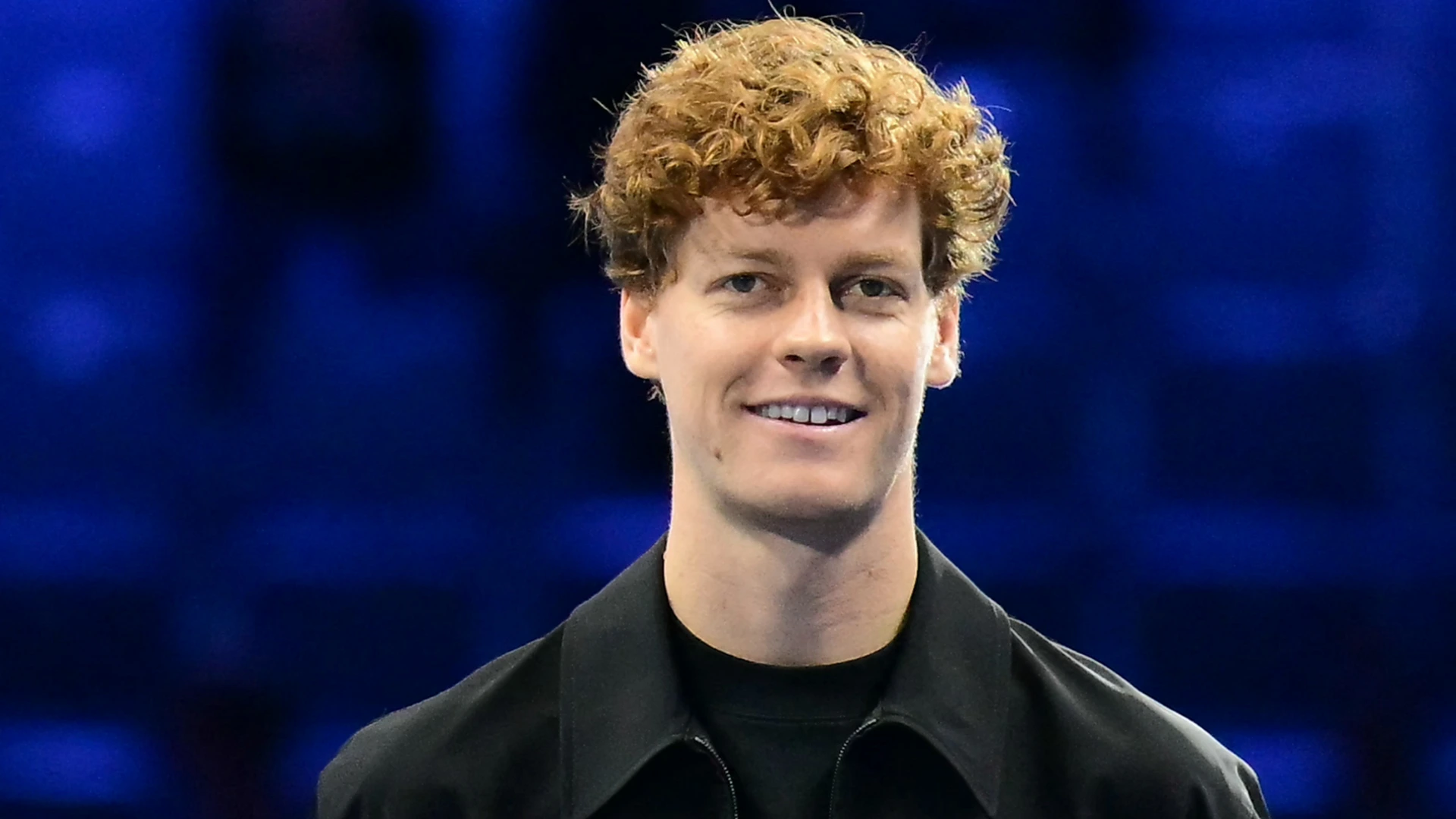
Jannik Sinner in Finland: According to *La Gazzetta dello Sport*, the Italian tennis player reportedly flew to the Nordic country to be examined again by the renowned Lasse Lempainen, the world-famous orthopedic surgeon who had already checked his right knee in Milan in recent days.
The Italian is reportedly headed to Turku, where the Pihlajalinna Turku Kupittaa clinic is located: if the rumor is confirmed, surgery would now be the most likely course of action. Sinner must choose whether to continue with conservative treatment or undergo surgery: the latter option may have prevailed.
If he undergoes surgery, the estimated recovery time is about three months, meaning the South Tyrolean tennis player would not return until late February or early March, thus missing the first Grand Slam of the year, the Australian Open scheduled for Melbourne.
Fans are holding their breath: we’ll certainly learn more in the coming hours.
Italy’s top-ranked player hasn’t played since winning the Wimbledon final on July 12 against Alexander Zverev, and he’s now been sidelined for over four months. The problem—inflammation of the iliotibial band in his right knee—first appeared during a training session in Monte Carlo in late July and forced him to withdraw from the U.S. tour, the Asian events, the tournaments in Vienna and Paris, and finally the ATP Finals. Despite specialist consultations, rehabilitation, and plasma injections, attempts to gradually resume training have not yielded the desired results, as the pain has once again begun to interfere with his work on the court.
Lempainen specializes in musculoskeletal issues of the lower extremities and also practices at the La Madonnina Clinic in Milan. The same surgeon operated in late October at Pihlajalinna Hospital in Turku on Lecce midfielder Ivan Ilic, who had suffered a myotendinous injury to his left rectus femoris. On October 6, Sinner had announced the early end of his season in a video posted on social media. At the time, the diagnosis was inflammation that did not require surgery but rather a course of specific treatments, with the medical staff’s concern focused on the risk of recurrence, chronicity, or future calcification.