Ray Giubilo, talent and more: "You need the basics for a good image"
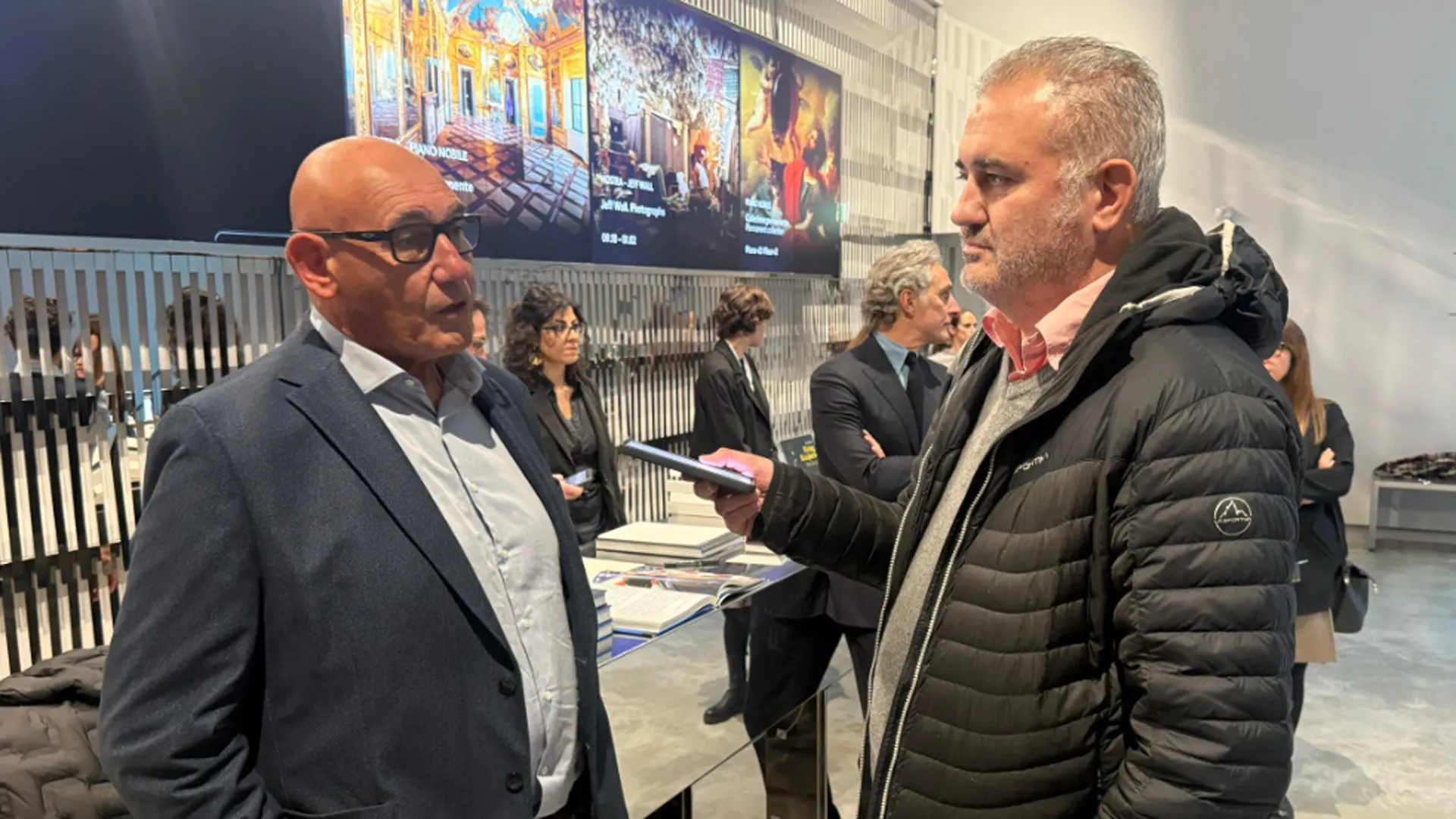
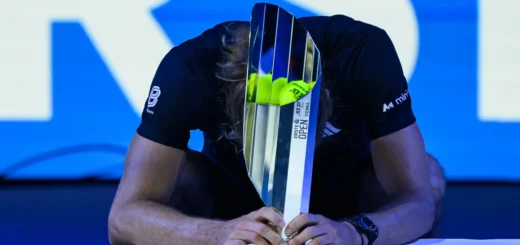
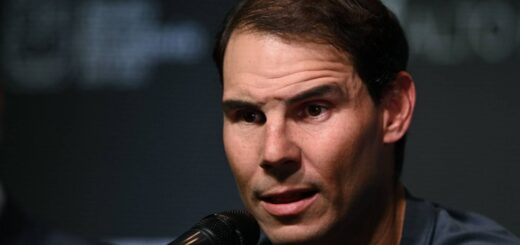
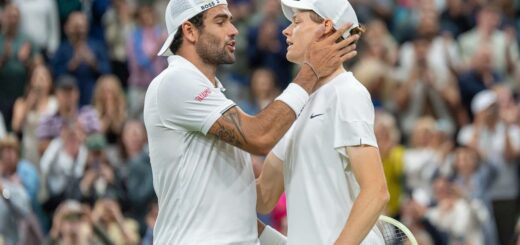
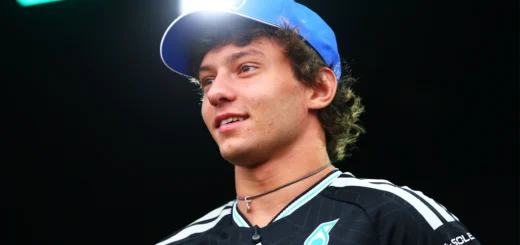
Ray Giubilo presented his splendid new volume, it is titled Flying Raquets and is dedicated to two worlds he knows perfectly well: that of photography, of which he is a highly quoted exponent, and that of tennis, which has allowed him to take iconic images, like the celebrated one to Jasmine Paolini. In Turin, Sportal.it interviewed him exclusively.
How important was it to start when technology was not so advanced?
.
It helped me a lot. It was much more difficult back then. You couldn’t see the result of your work right away, so you had to be extremely precise with the exposure. You couldn’t just shoot and then correct: if the picture was wrong, it was lost.
No “strip test” like today?
.
Correct. The “strip test,” that is, taking a few test shots to see the yield before continuing, was a luxury. In tennis there is not even time to do that. With analog you had to have an eye and technique. Growing up with that mentality forms you. It gets you used to really understanding light, timing, framing. Today with digital you can do a lot, but if you don’t have a solid foundation, you don’t work miracles.
So talent is cultivated from the very beginning?
.
Yes, absolutely. And then 30 years ago everything was different: for a tournament I had a budget of 100 euros, and that meant 3,600 shots for the whole week. Today you do a tournament with 30,000 or 40,000 shots. It’s another world.
Have tennis players changed as well?
.
Yes, everything has changed. The way they play, but also their relationship with photographers. They are no longer vain, I would say they are more wary. Until the 1990s there was more trust. The “scoop” photos were done only by the big agencies or major newspapers. The players knew you, there was a personal relationship. Now there is the entourage, which acts as a barrier.
You still know a lot of players, right?
.
Yes, but I know them more from the field than in person. I watch them, I listen to them, I understand who they are by seeing them react, get angry, cheer. You don’t necessarily need to know them face to face.
Hard to enjoy the games…
.
I am very focused on the work. If you watch the game you miss the right shot. I’m almost always on one player, except when I’m up high and can get wider shots, like in doubles. I also keep an eye on the score: you know when a strong gesture, emotional reaction or plastic moment might come.