The new Champions League format: Promoted or failed?
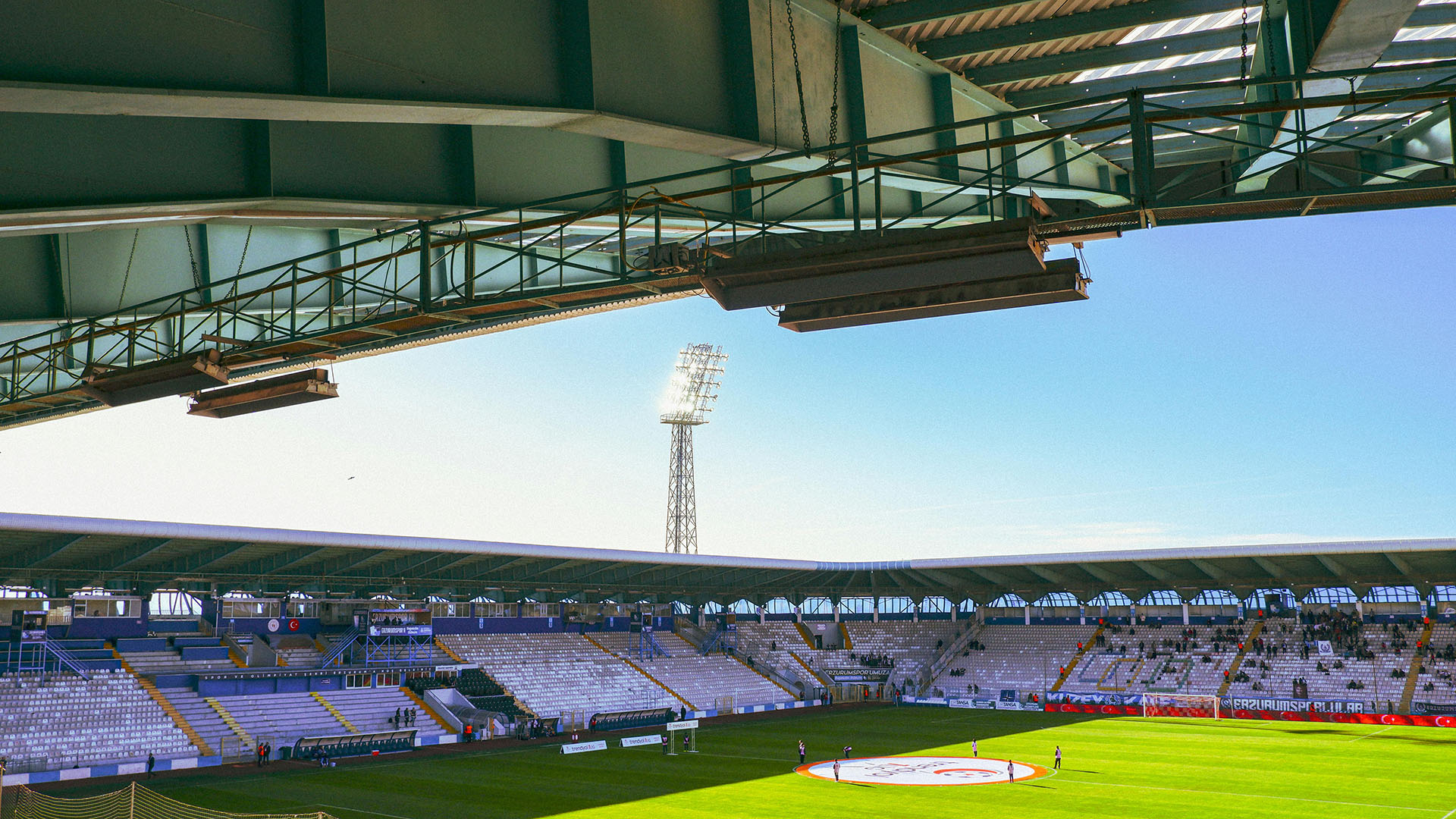
The season ending Munich final on May 31, 2025, featuring Paris Saint-Germain against’Inter Milan at the Allianz Arena, is the first result of the Champions League’s new single-round format.
Have you followed all the Champions matches with excitement and want to make sure you can watch the next ones live? You can buy your tickets for Real Madrid in the Champions League directly online from Hellotickets, a platform that allows you to reserve your seat well in advance. So you have plenty of time to plan your trip, including your stay and, why not, stops to visit different cities.
But now, let’s see what was new about this new format!
How the new single-round format really works
From 2024-25, the traditional eight mini-rounds are gone. The 36 qualified teams end up in a’single ranking and play eight total matches: four at home and four away, against ever-changing opponents drawn from four draw brackets.
- The top eight clubs advance directly to the round of 16
- Those from ninth to 24th place cross over in a back-and-forth playoff to round out the table
- The bottom twelve say goodbye to Europe as early as January
.
The framework, in theory, balances TV needs, more matches between the big boys, with sports meritocracy, because no one has an identical schedule and the final ranking rewards results, not reputation.
The dates slipped forward from the old formula: the league phase was played between mid-September and late January to begin in February with playoff challenges. From March onward, the classic knockout cadence returned. The draw remains in Geneva but uses an algorithm that prevents repeated pairings between nations and, as of this season, has been armored by a cyber-draw platform developed with the’University of Zurich to prevent data leaks.
Data in hand: More games, more goals, more takings
- 144 games played in the league phase alone, compared to 96 in the old four-team group: +50% European schedule even before the round of 16.
- 470 goals, or an average of 3.26 goals, an all-time record for the competition at this stage.
- 3.317 billion euros: this is the total pie UEFA has budgeted for the three cups 2024-25. Of this, 2.467 billion euros go directly to the clubs entered in the Champions and Super Cup.
The’economic impact was virtually immediate. If there are more competitions, there are also more TV windows to sell. Simply qualifying for the new Champions is worth an average of 70 million euros per club, a +22 percent over the previous three-year period, thanks in part to the’increase in market pool shares.
Sports side: True balance or advantage for the biggies?
On the field, the narrative is less linear. The format of eight different opponents has given unusual pairings, such as Brest-Real Madrid or Slovan Bratislava-Arsenal that were unthinkable a year ago, and allowed freshmen such as Girona or Stuttgart to take an evening of continental glory.
The market pool is not the same.
But when all was said and done, the top sixteen included, as expected, twelve traditional big teams. The density of big games was higher, but the short ranking (from ninth to 24th place only seven points behind) generated some paradoxes. For example, a single defeat in January forced Bayern and Milan into the play-offs, undermining that feeling of “qualification security” initially sold to the big clubs.
The clubs and coaches remain divided. Ancelotti spoke of “Champions more competitive, but not fairer”. He said there’s the difficulty of preparing for eight different opponents in four months. In contrast, Xabi Alonso, making his debut with Leverkusen, praised the’absence of unnecessary games at the end of the round. The most heated discussion concerns the physical load: between the league phase, play-offs and the national cup, a top European club can get to 16 international matches as early as April, two more than under the old format.
Future Perspectives: What to Keep and What to Improve
EUFA will evaluate the reform at the end of the 2024-27 cycle, but some trends are already clear. Broadcasters are satisfied: in Germany and the UK, the Champions evenings have exceeded 30 percent average share in the highlights matches, up from 24 percent in 2023-24.
On the fan front, the appetite is not lacking: hospitality packages for the Munich final sold out in 48 hours, despite prices from a minimum of €90 per coupon. The more traditionalist bangs, however, are demanding transparency on the draw criteria and revenues. The proposal to publish seeding software and market pool parameters will be discussed at the UEFA congress in September.
So, is the new format promoted yes or no? The Swiss Champions takes a conditional promotion: promoted in the figures (goals, receipts, audience), failed, or at least postponed, on the level of sporting sustainability and fairness among the clubs of different brackets. The 2025-26 season will tell us whether tweaks will suffice or whether a new makeover is needed.