
Who is Alessia Russo, strong English striker with Italian roots
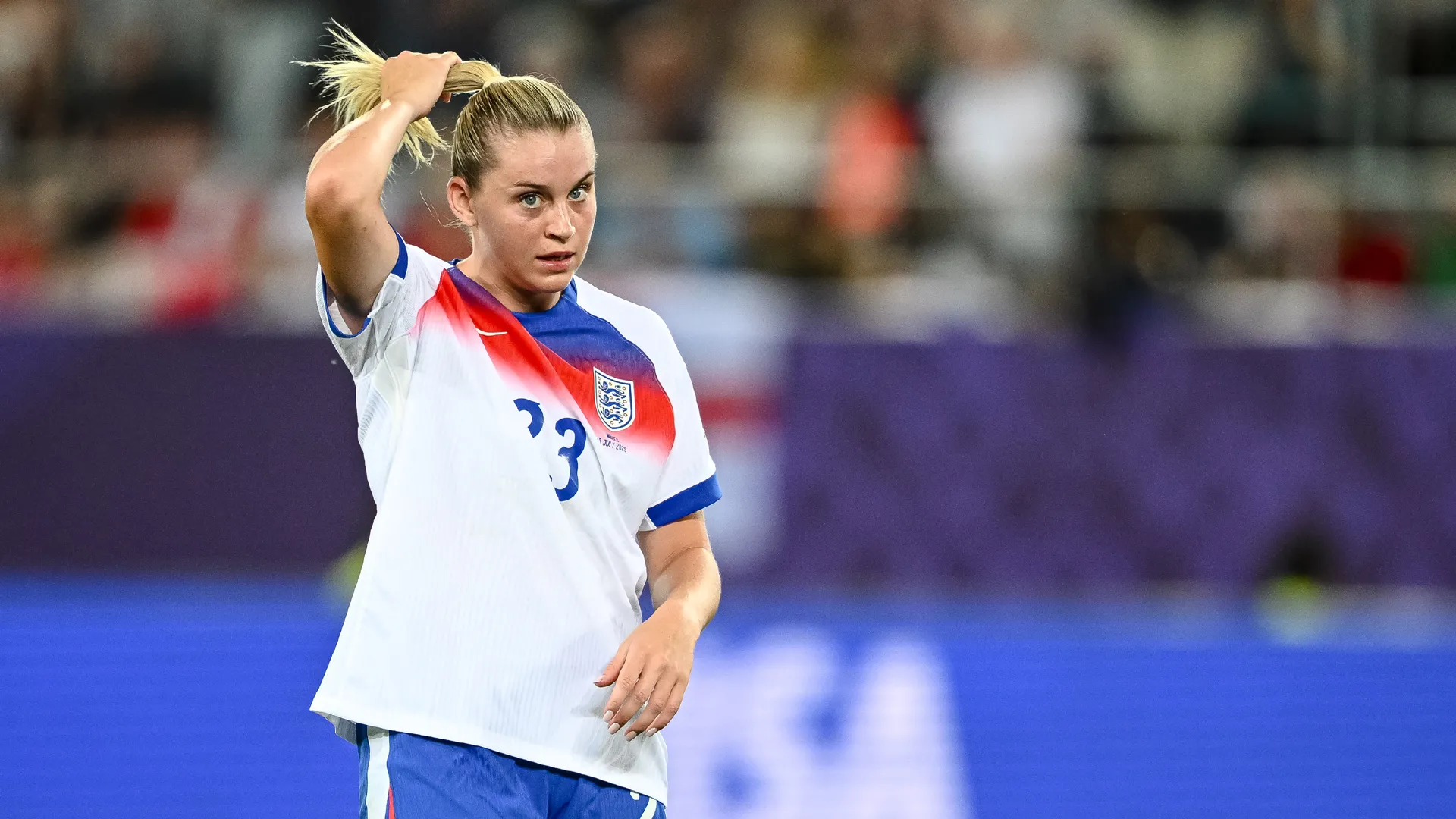
Alessia Russo, one of the key players in England’s victory at the 2022 Women’s European Championships, and also decisive in the 2025 Swiss continental review, was born in Kent but her origins,
as her surname easily suggests,are Italian: her grandfather had moved to England in the 1950s, starting from Sicily, precisely from Aragona, a small town in the province of Agrigento.
The class of 1999 from Maidstone received her first call-up to the senior national team in February 2020, at the SheBelieves Cup in the United States. Initially selected as a reserve player for training, she was officially included in the team after Lucy Bronze’s injury and made her debut on March 11, 2020, in the final match against Spain, subbing in for Toni Duggan in the second half.
Alessia was a member of the senior national team.
Alessia had previously starred in the States, having played for the North Carolina Tar Heels since 2017 while a college student. She has regularly represented England on youth teams since the Under-15s. She was part of the selection that won bronze at the 2018 FIFA U20 World Cup, having previously played at the FIFA U17 World Cup in Jordan in 2016.
Before moving to the United States, the striker trained in Chelsea’s youth ranks, where she also wore the captain’s armband of the development squad and took part in the early stages of the Conti Cup. She later moved on to Brighton & Hove Albion, with whom she played in the Spring Series of the FA WSL in 2017.
In September 2020 she returned to England, signing a two-year contract with Manchester United. Her performances in a United jersey secured her a permanent place in Sarina Wiegman’s squad and, just before her departure for the 2023 FIFA Women’s World Cup in Australia, she made official her transfer to Arsenal, where she still plays.
.
Her first starting game with the national team was the 1-1 draw against Canada in the opening match of the Arnold Clark Cup. In 2023-24 she was named England women’s national team Player of the Year, with six goals in eleven starting appearances during the season. Her first goals with the senior national team came in the resounding 20-0 win over Latvia: entering the match in the middle of the game, she scored a hat-trick in 11 minutes, the fastest in the history of the Lionesses. She will remain unforgettable, however, for her contribution at the European Championships, particularly for the goals she scored against Northern Ireland and the famous one from her heel in the semifinal against Sweden, which lit up the magical evening at Bramall Lane.