
How to Use an iPhone to Analyze Soccer Team Statistics
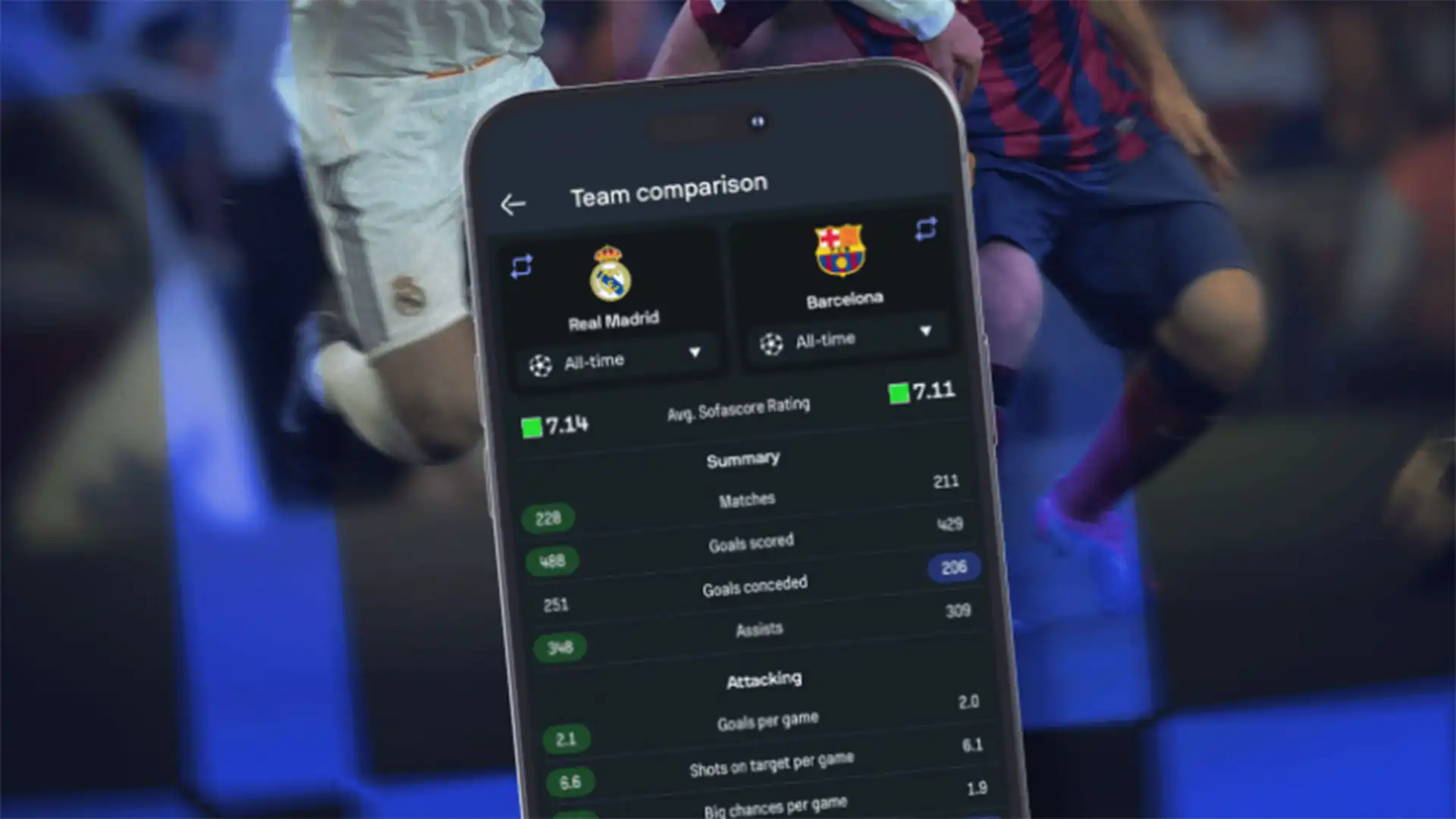
Using an iPhone to analyze soccer team statistics has become commonplace for fans, sports management students, bettors, and amateur analysts. In fact, a smartphone can replace tools that, until just a few years ago, required complex software. Today, all you need is a lightweight, connected, and fast device.
Before we dive into the practical details, it’s worth noting that the digital world is still quite dangerous, and without proper protection, it’s too risky. Do you need a simple way to protect yourself? VPN apps for iOS, Mac, and any Internet-connected device can come in handy. A VPN for iPhone is also useful for protecting yourself from surveillance, unblocking foreign content, and ensuring anonymity. With it, you can freely access websites from any region without unnecessary risks.
The rest of the process is simple: you just need to know the right apps, the features to use, and how to interpret the charts.
Why the iPhone is an ideal tool for analyzing soccer
The iPhone offers a rare combination: stability, processing speed, a crisp screen, and an intuitive operating system. Many analysts particularly highlight the device’s ability to handle large amounts of data without slowing down.
According to informal estimates published by sports-tech industry observers in 2024, more than 62% of users who follow daily soccer statistics use a smartphone as their primary device. Among them, a large proportion owns an iPhone for its screen accuracy and overall reliability.
Another reason is the availability of official league apps, scouting services, advanced data platforms, and tools for creating comparative charts.
Must-have apps for anyone who wants to analyze soccer teams
1. Specialized statistics apps
These are tools that provide data on:
- ball possession
- passing accuracy
- expected goals (xG)
- shots on goal
- duels won
- home/away performance
Many apps also let you compare two teams, create custom tables, and save comparisons. Some even let you filter data by month, league stage, or competition.
An interesting statistic: in the 2023–24 season, the average number of shots per game in the top five European leagues ranged from 11.8 to 14.6 per match. Information like this helps those analyzing a team understand whether the pace of play is fast, slow, or average.
2. Official soccer league apps
These apps are essential because they provide official statistics updated minute by minute.
They are especially useful for those who want to follow:
- team lineups
- heat maps
- Individual statistics
3. PDF readers and built-in notes
Many analysts create their own reports. The iPhone lets you export tables, add charts, and save everything in organized folders.
How to Use the iPhone for a Complete Step-by-Step Analysis
Step 1: Choose the Key Statistics
To analyze soccer teams, you don’t need to start with everything. Five key indicators are enough:
- Average possession
- xG and xGA (expected goals conceded)
- Percentage of shots on target
- Goals scored and goals conceded in the last 5 games
- Pressing: Average PPDA
Many iPhone apps already let you view this data in graphical format.
Step 2: Compare two teams
The iPhone makes it easy to create visual comparisons. Just select both teams and use the built-in charts.
For example, if one team has an xG average of 1.75 per game and the other is at 0.98, the device immediately shows the offensive gap.
Step 3: Create a visual summary
One of the iPhone’s most useful features is the ability to take screenshots, edit them, highlight data, and add notes.
This combination lets you create quick micro-reports that help you spot recurring patterns.
Step 4: Use Siri to Speed Up Searches
Many people overlook a simple feature: asking Siri to open apps, search for games, or find recent results.
This reduces downtime and makes analyzing statistics more seamless.
Additional features that enhance the analysis experience
Smart notifications
Statistics apps send updates on injuries, lineup changes, and shifts in a team’s trends.
This is especially important in competitions with many matches per week.
Home screen widgets
The iPhone lets you install widgets that display real-time data: next match, recent form, goals scored in the last 30 days.
An easy way to get a clear overview without opening complex apps.
Quick backup and sharing
The reports you create can be stored in the cloud.
This offers a key advantage: the ability to view data across multiple devices without losing anything.
How to Integrate Video and Statistics for a More Comprehensive Analysis
Many iPhone apps allow you to display data alongside highlight clips. This combination lets you verify whether a numerical value, such as a high xG, actually corresponds to clear-cut chances. Observing players’ movements while reviewing charts and heat maps helps identify recurring weaknesses, especially during defensive transitions.
Use your iPhone to create simple predictive models
With mobile spreadsheets, advanced widgets, and built-in historical data, you can build mini-projections: trends in goals scored, increases or decreases in possession, and changes in shots allowed. These aren’t professional models, but they offer quick and useful insights for anticipating a team’s trends.
Common mistakes to avoid when analyzing data with an iPhone
- Relying solely on statistics without watching the games: the numbers explain, but they don’t tell the whole story.
- Not updating apps: Outdated data skews your analysis.
- Ignoring context: a team may have poor statistics, but be playing against very strong opponents.
- Using too many sources and getting confused: it’s better to stick to 2–3 reliable platforms.
Conclusion: a powerful tool for understanding soccer
Using an iPhone to analyze soccer team statistics is like having a portable lab in the palm of your hand. Thanks to apps, widgets, voice commands, and the ability to create visual reports, any fan or analyst can easily study complex data. With a little practice, the iPhone lets you identify patterns, discover trends, and, above all, follow soccer in a more in-depth and informed way.