Italy’s World Cup Repechage: FIFA’s Latest Move Sparks Debate
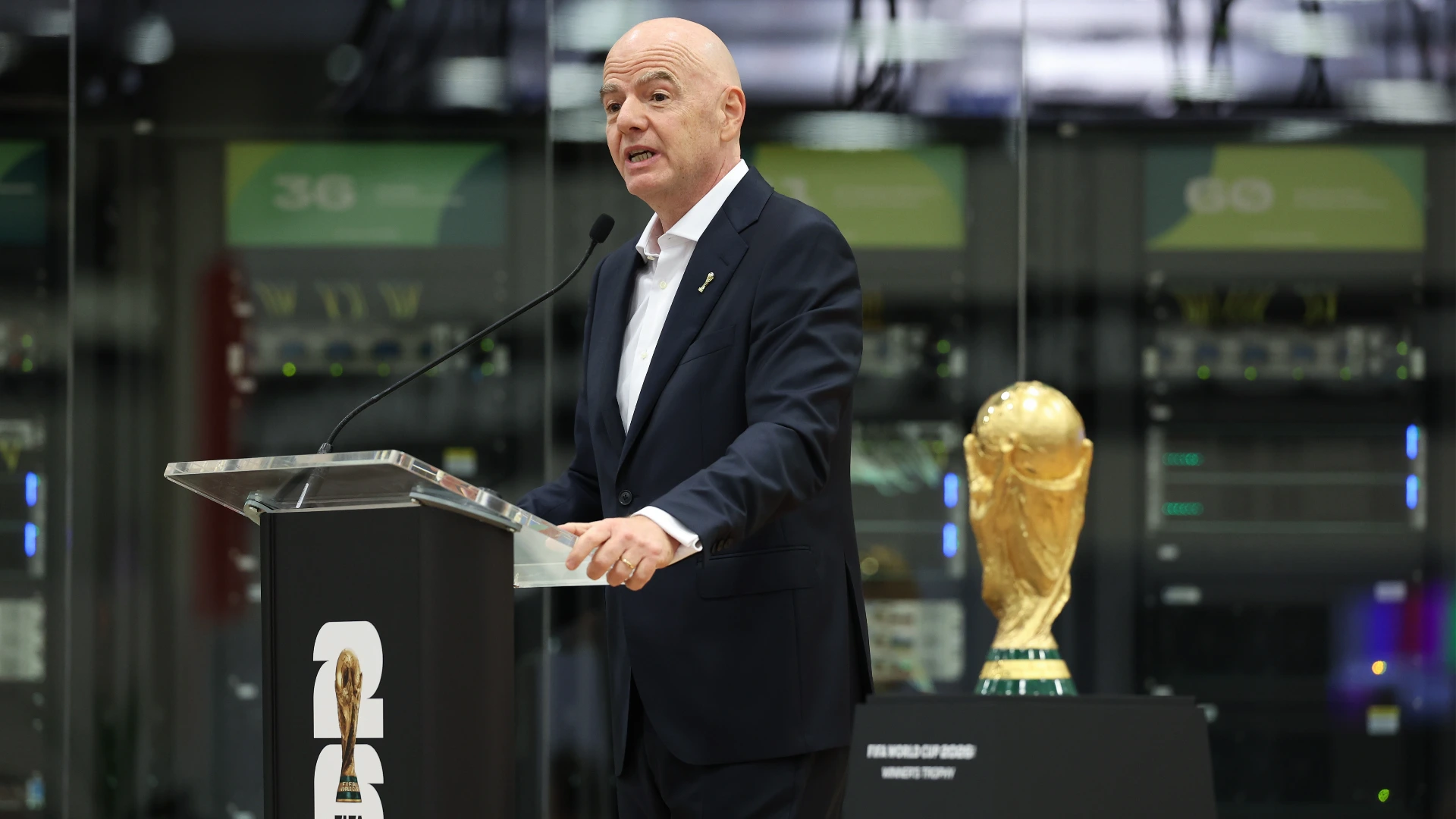
The 2026 World Cup hasn’t even started yet, but FIFA is once again in the crosshairs. The latest controversial decision involves a long list of bans intended to change—perhaps drastically—the atmosphere in the stands. No trumpets, no whistles, no instruments capable of creating “excessive noise”: a clean sweep that erases some of the most iconic images from past tournaments in an instant.
The new code of conduct for World Cup stadiums, in particular, bans the famous vuvuzelas, the deafening background noise of the 2010 South Africa World Cup matches. There will be no room for stadium horns, whistles, air horns, or any device capable of generating a volume considered “disturbing.” But that’s not all, because for safety reasons, FIFA has also banned lasers and laser pointers—devices that have caused more than a few problems for players and referees in recent years.
Surprisingly, reusable water bottles have also ended up on the blacklist—again, according to organizers, due to concerns about potential misuse—and are prohibited in all stadiums throughout the tournament. The regulations then go into detail regarding behavior in the stands: no body painting considered “clothing,” no nudity, and no explicit gestures. Anyone who fails to comply with the rules risks immediate ejection from the section or being barred from entry.
FIFA’s decisions have come under fire from several critics, who accuse the international federation of seeking to create a “sterile” environment—a product geared more toward the televised presentation of the matches than toward the passion that fans bring to the stadiums. The impression is that FIFA is trying to bring order to a tournament that, just a few weeks before kickoff, continues to present unexpected challenges and critical issues.
And this is where the discussion inevitably returns to the topic that has dominated the conversation in Italy for weeks: the possibility—which has not yet been completely ruled out—of the Azzurri being reinstated. Because while the international federation focuses on vuvuzelas, lasers, and dress codes, the most sensitive issue remains unresolved: that of national teams at risk of withdrawal for geopolitical, health, or logistical reasons. Iran and the Democratic Republic of the Congo remain under close watch, and the regulations allow for extraordinary intervention right up to the last minute.
Amid bans and new rules, in short, FIFA is trying to secure the World Cup. But between international tensions, organizational problems, and last-minute uncertainties, the impression is that the door—whether we like it or not—remains slightly ajar given the unpredictable scenario.
For the many fans ready to attend major soccer events and international matches in person, travel planning always begins with choosing accommodations. Before leaving, it’s advisable to check availability and book a hotel, to ensure you have the most comfortable accommodations closest to the main attractions.