2026 World Cup, Spain vs. Argentina: The Halftime Show Divides Fans Sharply
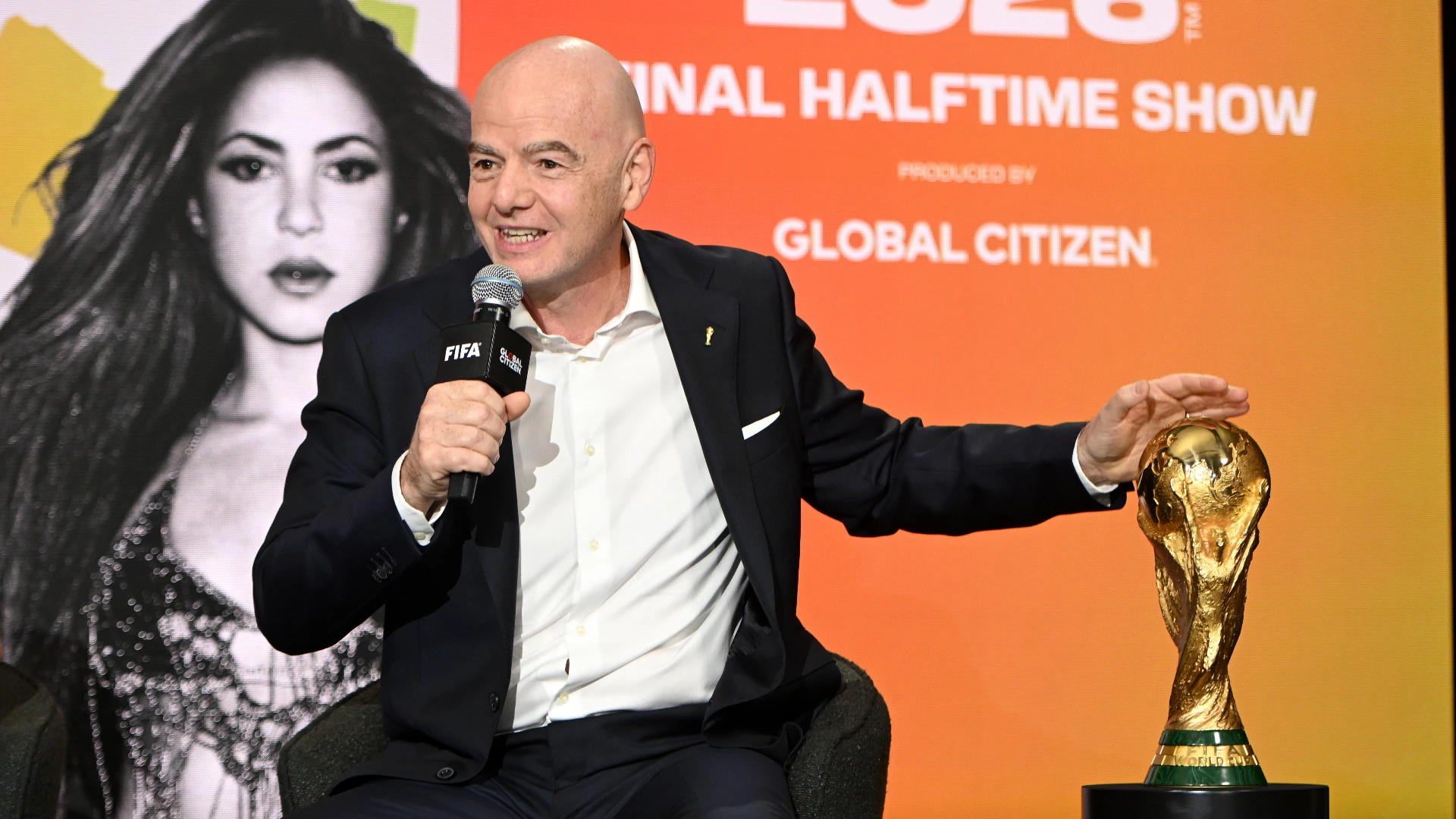
The 2026 World Cup final between Spain and Argentina isn’t just the most anticipated soccer match of the four-year cycle; it’s also the moment when the world’s most popular sport will, in effect, undergo yet another transformation, adapting ever more to the demands of show business. On July 19, at MetLife Stadium, the World Cup will in fact introduce, for the first time, a structured halftime show, complete with stages, superstars, and a production (according to the organizers) worthy of the Super Bowl. This new feature, however, is dividing the public.
For nearly a century, the halftime break in the final has been an unchanging ritual: just under fifteen minutes of analysis, tension, players in the locker rooms, and fans catching their breath. In East Rutherford, however, after the whistle signals the end of the first half, Madonna, Shakira, BTS, and Justin Bieber, along with Burna Boy and conductor Gustavo Dudamel, for an 11-minute performance curated by Chris Martin and produced by Global Citizen.
And this is where the divide lies. The Super Bowl has built its identity on a specific concept: attracting even those who don’t watch American football. Millions of viewers tune in just for the show and its influence on pop culture, rather than for the sporting event itself. In short, NFL football is part of a larger package.
The World Cup, on the other hand, is the exact opposite. The final is watched by billions of people who want to see the game and who live for the sporting aspect, having waited four years for that moment. There are certainly casual viewers, but their numbers are nothing like those of the Super Bowl: those who watch the final do so, in the vast majority of cases, for soccer. That’s why the Halftime Show is perceived by many as a foreign element, an intrusion that risks disrupting the rhythm and the sacred nature of the event.
Not even the charitable purpose outlined by FIFA is entirely convincing. The stated goal is to raise funds for the FIFA Global Citizen Education Fund, which aims to reach $100 million for educational projects worldwide, but many fans believe that an “event within an event” wasn’t necessary to achieve these results, given the paradoxical risk of distorting the game.
Then there is the issue of time: the halftime break for the final is supposed to last 15 minutes, according to IFAB rules, while the planned interruption—including setup, the concert, and teardown—is 17 minutes. FIFA maintains that the duration will be “in accordance with tournament rules” but has not clarified how the discrepancy will be handled. And this silence is fueling the tension.
From a cultural standpoint, the lineup reflects soccer’s global nature: American pop, K-pop, Latin music, and a symphony orchestra.
Shakira, a longtime face of the World Cup (her “Waka Waka” was the official anthem of the 2010 World Cup in South Africa), will return with “Dai Dai,” the tournament’s official song. BTS will perform for an audience different from those who typically follow K-pop, while Justin Bieber arrives on the heels of his controversial $10 million set at Coachella. Finally, Madonna is one of the most recognizable musical icons on the planet.
Despite this, discontent among fans is evident. Some speak of the “Americanization of soccer”; others fear that the extra break could affect the teams’ physical stamina (since even one extra minute of rest must be managed precisely); still others don’t want to see the final turned into a pure entertainment spectacle. Many recall that hydration breaks have already sparked protests; now another element perceived as intrusive is being added.
The point is simple: the Super Bowl uses the show to attract people who don’t watch football. The World Cup, on the other hand, doesn’t need to attract anyone: its audience is already there, and it’s there for soccer. That’s why the Halftime Show is a crucial turning point: it’s not just a novelty; it’s a paradigm shift. Only on Sunday night will we know whether it will be a step forward or a gamble.