Jannik Sinner: Bertolucci Speaks Out After the Italian Player’s Latest Withdrawal
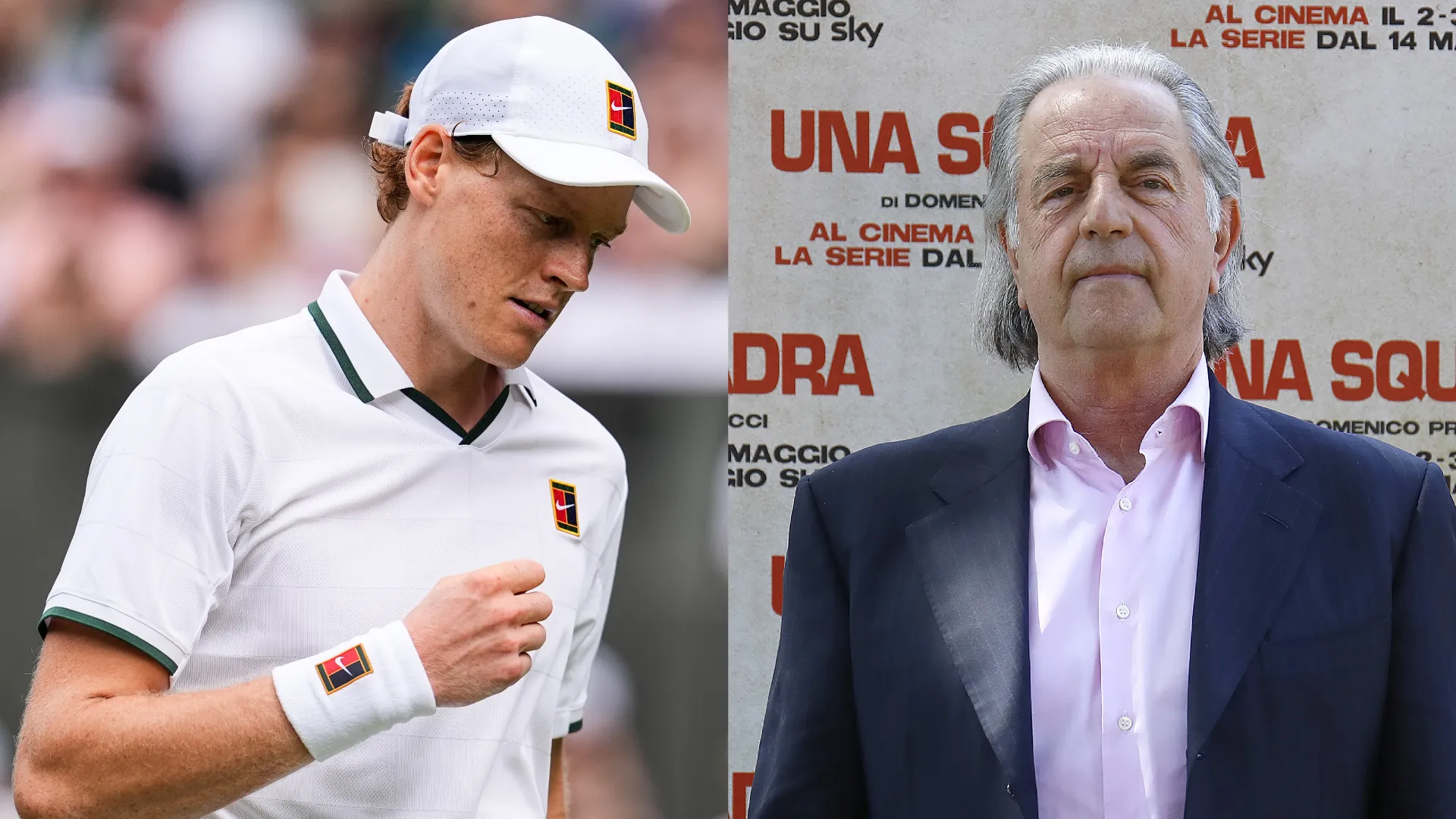
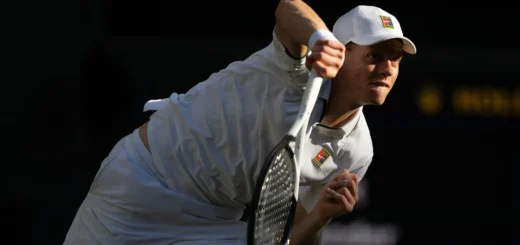
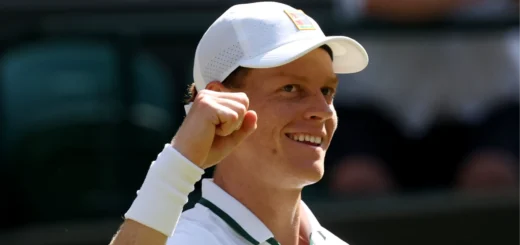
No Montreal and no Cincinnati: Jannik Sinner has decided to skip both Masters 1000 tournaments leading up to the US Open, with the goal of recovering in time for the season’s final Grand Slam at Flushing Meadows. The Italian player’s decision and the announcement of his knee problems have caused concern among fans, but Paolo Bertolucci, writing in *La Gazzetta dello Sport*, interprets the choice in a less alarmist light.
“It shouldn’t be seen as a wake-up call regarding the Italian champion’s immediate future, but rather as a carefully considered decision aimed at protecting the player and allowing him to compete in the U.S. Open—which begins in twenty days—in peak physical and mental condition: and we know how important it is, given the delicate balance of his perfect machine, to approach competitive events without the slightest shadow over his overall health.”
At the root of it all, according to Bertolucci, is what happened at Roland Garros, in that incredible match he lost to Cerundolo: “Certainly, the painful setback at Roland Garros has changed Jannik’s and his team’s approach to the problems that can periodically affect top-level players, to the point of focusing their attention on a full recovery and resolving the immediate issue, even at the cost of skipping prestigious tournaments. Ultimately, the world No. 1’s priority right now is to arrive at the New York Grand Slam fully recovered from the right knee injury that has been plaguing him in recent weeks.”
The former Italian national team player points out that Sinner has opted for caution, even given his favorable ranking position: “His No. 1 ranking is practically guaranteed from now until the end of the season, and the temporary difficulties faced by his main rival, Alcaraz—who has been absent since April and whose return remains uncertain—suggest he should avoid taking risks that could jeopardize not only the U.S. Open but also the fall indoor season, which will culminate with the Finals in Turin. In fact, the very caution with which Carlitos is proceeding demonstrates that there’s no need to play the hero if rushing back could heavily impact the rest of the season—or even his career.”
Bertolucci believes Sinner will be 100% at the U.S. Open: “We expect Sinner to be at his best at the American Grand Slam, with only one unknown factor, at least initially: the lack of matches played and, therefore, competitive tests to assess his overall condition. Certainly, Jannik would have preferred to play a few matches before New York, especially since fifty days will have passed between his Wimbledon final victory and his debut on Arthur Ashe Stadium, not the barely three weeks that separate Roland Garros from the London Grand Slam—a period during which he voluntarily chose not to play any matches on grass, and thus with a different mental mindset. While it’s clear that the priority is to make a full recovery from his injury, it must be said that hard courts are undoubtedly the surface he loves to play on most, and the one where his ability to adapt shines: so it will take him very little time to regain his feel for the court and then for his game.”
The first-round pitfall remains, which could prove difficult if he draws a tough opponent: “Without the feedback from head-to-head matches before the U.S. Open, the opening week of the tournament could prove a bit complicated, especially if he finds himself facing seasoned opponents who are comfortable on fast courts, but the level he displayed in March on the hard courts of Indian Wells and Miami—and later on the grass at Wimbledon—gives him such a significant advantage over the rest of the field that he’ll be able to handle any obstacles that might arise in the early stages of his American campaign. In this regard, knowing his almost obsessive attention to detail in his preparation, I’m convinced that #Sinner, once he’s in New York, will use the ten days of preparation to train against solid, strong players—which will help him quickly regain his match sharpness—perhaps by arranging best-of-five matches with them.”