Things aren’t looking good for Eusebio Di Francesco in Lecce after the team’s third straight loss
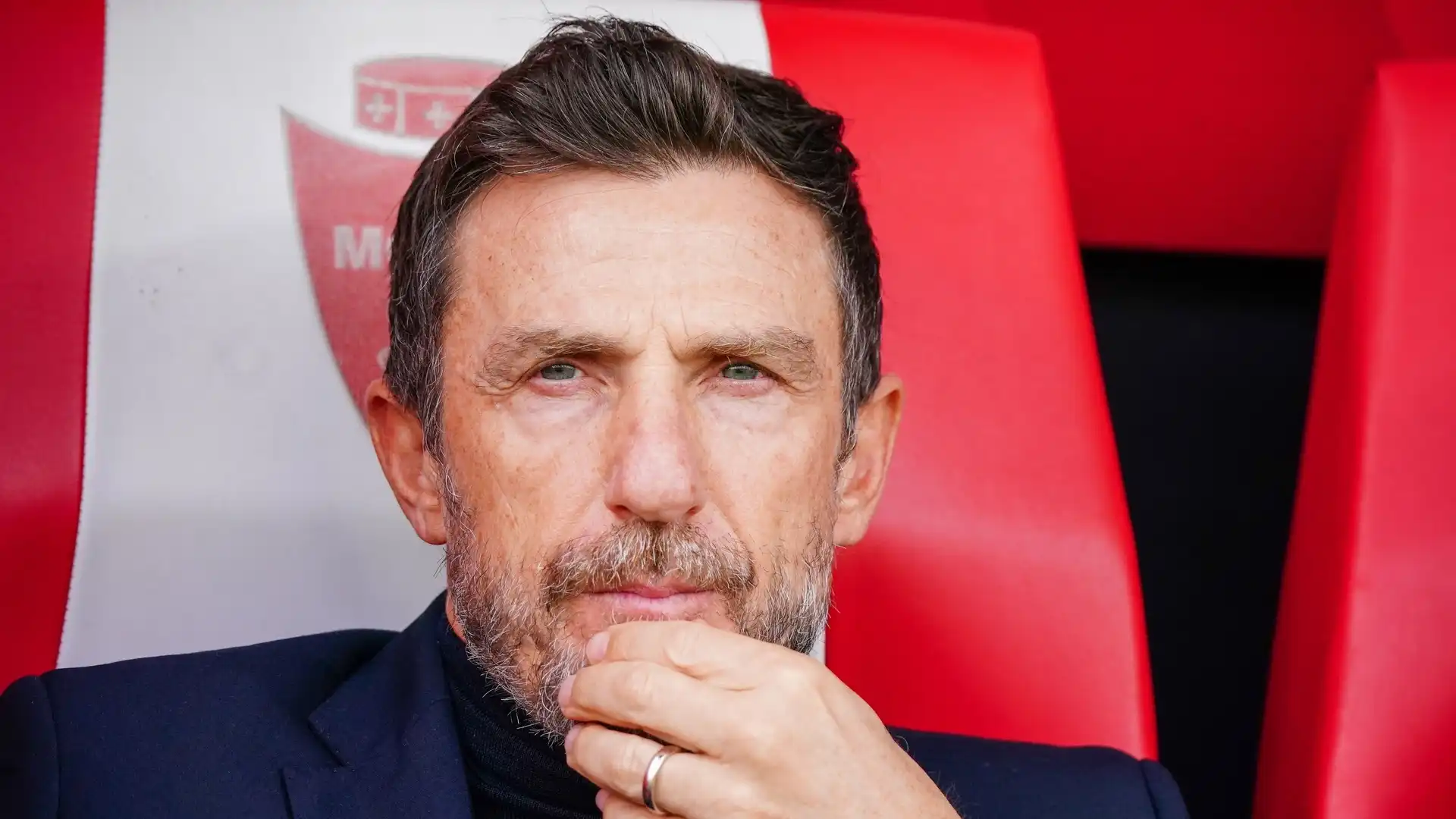
The patience of Lecce fans seems to have reached its limit. After the crushing 5-1 loss in Frosinone, the 2-1 defeat at Via del Mare against Genoa has sparked outrage among the Giallorossi supporters, who are clamoring on social media for a coaching change. Eusebio Di Francesco has become the main target of criticism, especially for the team’s attitude, the lack of a clear playing identity, and certain decisions made during the match. Andrea Esposito doesn’t mince words: “I’ll say it again. Di Francesco out of Lecce! You can’t approach a Serie A match this way.” Vincenzo Corina echoes this sentiment: “Di Francesco must leave Lecce immediately… his attitude and substitutions are shameful.” Ivan Benenati, on the other hand, delves into the tactical difficulties: “Di Francesco has run his course in Lecce. The substitutions made have the opposite effect of what’s needed. We haven’t had a cohesive game plan to date—just goals scored on set pieces.” These words capture the climate of distrust toward the coach, to whom an increasingly vocal segment of the fan base seems unwilling to grant any more time.
The main targets of criticism are the substitutions and Lecce’s inability to mount a comeback in the second half, despite trailing by just one goal. Paride Della Folgore takes issue with one substitution in particular: “Di Francesco—unwatchable—wastes a substitution slot on a pointless move and is then forced to make three more.” Marco Stefàno also believes the relationship between the coach and the team is now irreparably damaged: “Di Francesco, you haven’t left your mark on this team and you never will—come on.” Alessandro Cavallo hopes for immediate action from management: “I hope this is the last time with this coach. In January, let’s bring Trinchera back. Five years in Serie A, zero progress.” Davide Pio Buttazzo is even more explicit, writing: “Out with Di Francesco!! Enough is enough.” The discontent also stems from the feeling that the team can’t find alternative solutions when the game takes a turn for the worse. Antonio Esposito observes: “What makes me think is that a team playing at home, down 1–2 at halftime, does nothing in the second 45 minutes to put pressure on Genoa.” This criticism goes beyond the result and directly calls into question Lecce’s ability to react in difficult moments.
For many fans, firing the coach is now the only viable way to try to turn the season around. Nicola Neto addresses President Saverio Sticchi Damiani directly: “We need a wake-up call, Saverio, to salvage what we can. Fire Di Francesco and let’s play with two strikers.” Francesco Palma insists on the need to act immediately: “The only way is to fire him. Otherwise, the players won’t get any wake-up call. This is who we are—at least we can change the coach.” Gregorio Taddeo shares the same view: “Enough is enough! Out with the coach! A team lacking desire and grit needs a wake-up call!!” Flavio Coluccia adds: “I’m increasingly disappointed—the coach must be fired. Enough with this nonsense,” while Guglielmo Rizzo limits himself to an unequivocal message: “Fire the coach immediately!!!!” Gianluigi Palberti also calls out the club: “If you have even a shred of respect for these fans, Di Francesco would be fired within an hour.” The demand for a change on the bench is thus accompanied by the conviction that a strong signal is needed to restore enthusiasm and determination to a team that has clearly been struggling.
The criticism, however, doesn’t spare the front office or the decisions made during the transfer window. Some fans believe that responsibility for the coach’s situation should be shared with those who built the roster. Mauro Mele defends Di Francesco and identifies the source of the problems elsewhere: “But what does Di Francesco have to do with it? The team is technically weak thanks to that disaster of a transfer window—we need quality players in January.” Luigi Sansone offers a similar assessment: “A poor, poorly constructed team—the coach, for all his flaws, can’t do much more with these players.” Maria Anastasia also urges against placing all the blame on the coach: “Lecce is nowhere to be seen. Di Francesco isn’t to blame; the team’s level is exactly what we see on the field—very low.” Fabio Muci, on the other hand, takes issue with how easily the coach is singled out as the main culprit: “Now everyone’s against the coach…When you give him so-called players like Stulic and Siebert—flops who’ll go down in history—it’s better to play with one less man. It’s easy to blame the coach.” These differing viewpoints show that the debate isn’t just about Di Francesco, but about Lecce’s entire technical project.