Farewell to Alan Jones, the first king of Williams. And that curious story linking the name of the Bin Ladens
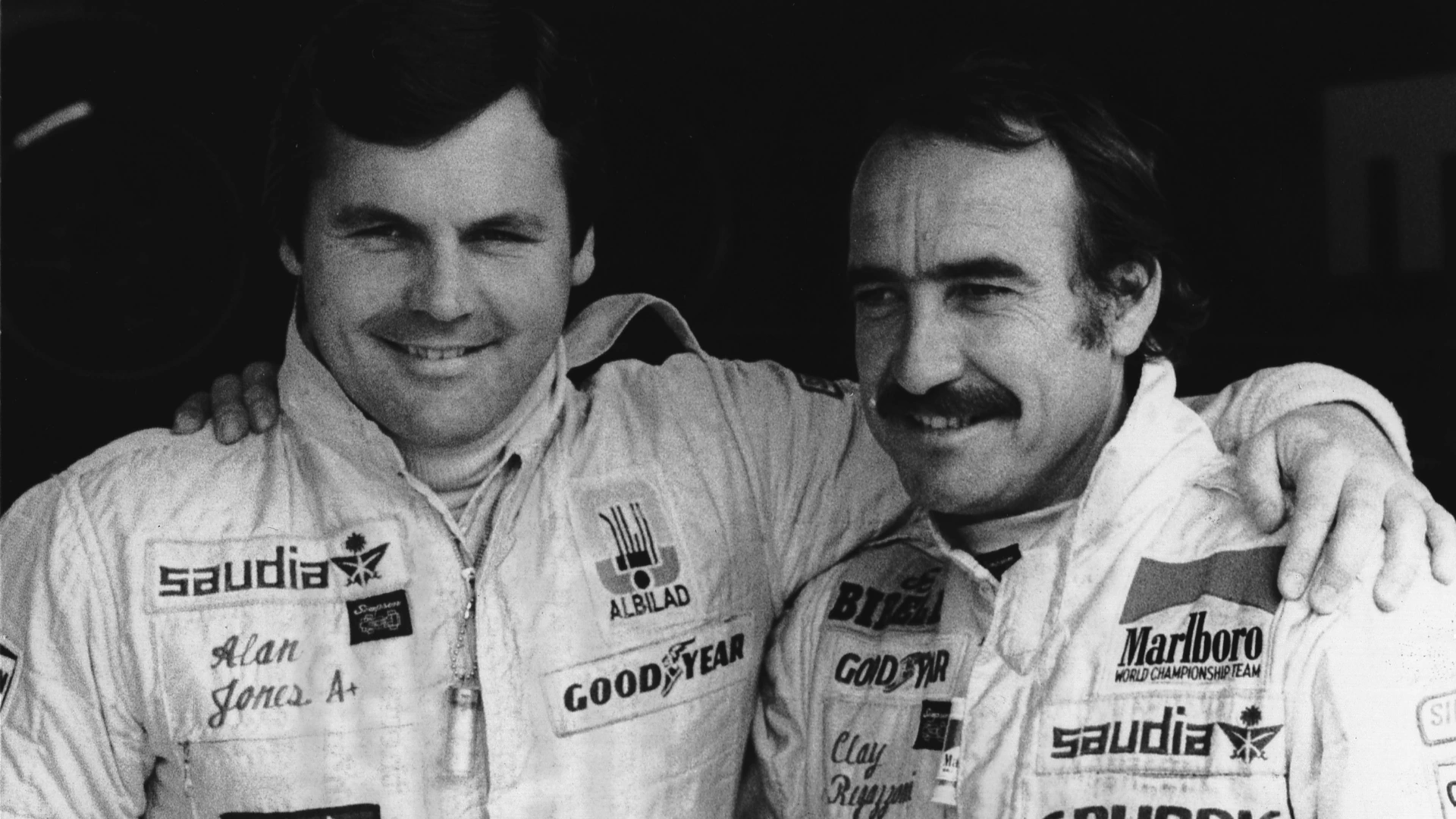
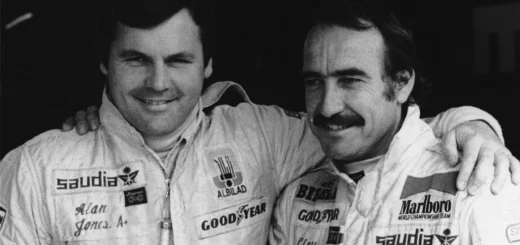
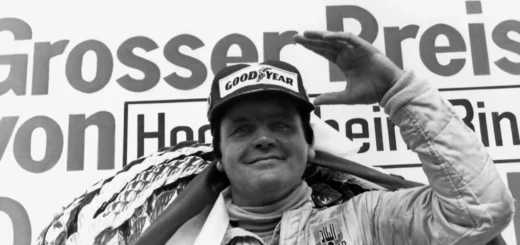
Alan Jones has passed away—one of those drivers who belonged to a Formula 1 era very different from today’s. He had turned 80 just three days ago, on November 2. The Australian, who passed away after a brief illness, was Williams’ first world champion—the team he had led to the top of the world in 1980 thanks to five victories and a season dominated by the sheer determination of someone who feared no one.
Born in Melbourne in 1946, following in his father’s footsteps, Jones had built his career with determination, arriving in Europe to pursue his Formula 1 dream. His debut came in 1975, followed by his first victory in Austria in 1977 with Shadow, and then the fateful meeting with Frank Williams and Patrick Head. It was Jones himself who turned the ambitions of a team that would become one of the great protagonists of the Formula 1 circuit into victories. Over the course of his career, he won twelve Grand Prix races, distinguishing himself with an aggressive driving style and a temperament that brooked no compromise.
But there is also a surprising detail in Alan Jones’s story that leads all the way to the name of Osama bin Laden. In the late 1970s, when Williams was seeking funding to become competitive, Frank Williams found major backers in Saudi Arabia. Among the sponsors was a company owned by the Bin Laden family, the powerful business group linked to the construction sector. In 1979, the Bin Laden surname was even visible on the side of the single-seater driven by Jones. A detail that would take on a disturbing significance many years later, following the attacks of September 11, 2001.
Of course, there is no evidence of Osama bin Laden’s personal involvement in the sponsorship of Williams. The future founder of Al-Qaeda belonged to a large and influential family, which would later distance itself from his terrorist activities. But the coincidence remains one of the most peculiar curiosities in the history of Formula 1. In 2001, when those old photographs resurfaced, Jones himself recalled having met many Saudis and princes during that period, adding in his usual colorful language that, had he known what Osama bin Laden would become, he might have considered running him over in the pits.
The connection with Saudi sponsors was, however, crucial to Williams’ growth. That funding helped transform a still-young team into a winning outfit. The first successes came in 1979, while the following year Jones won the World Championship ahead of Nelson Piquet, also securing Williams’ first constructors’ title. A triumph that ushered in a long era of success for the British team.
Jones left Formula 1 at the end of 1981, though he attempted a comeback in subsequent years, finally bringing his time in the Circus to a close in 1986. He always remained a forthright, often controversial figure, far removed from the diplomacy that characterizes many protagonists of modern motorsports. With his passing, the last Australian capable of winning a Formula 1 world championship is gone. And there remains that yellowed photograph of a Williams bearing the number 27 and the name “Bin Laden” on its bodywork: two worlds apart—that of sports and that of geopolitics—which, for a brief moment, intersected on the asphalt of the racetracks.