
Microsoft Outlook Is Down: Watch Out for Phishing Scams!
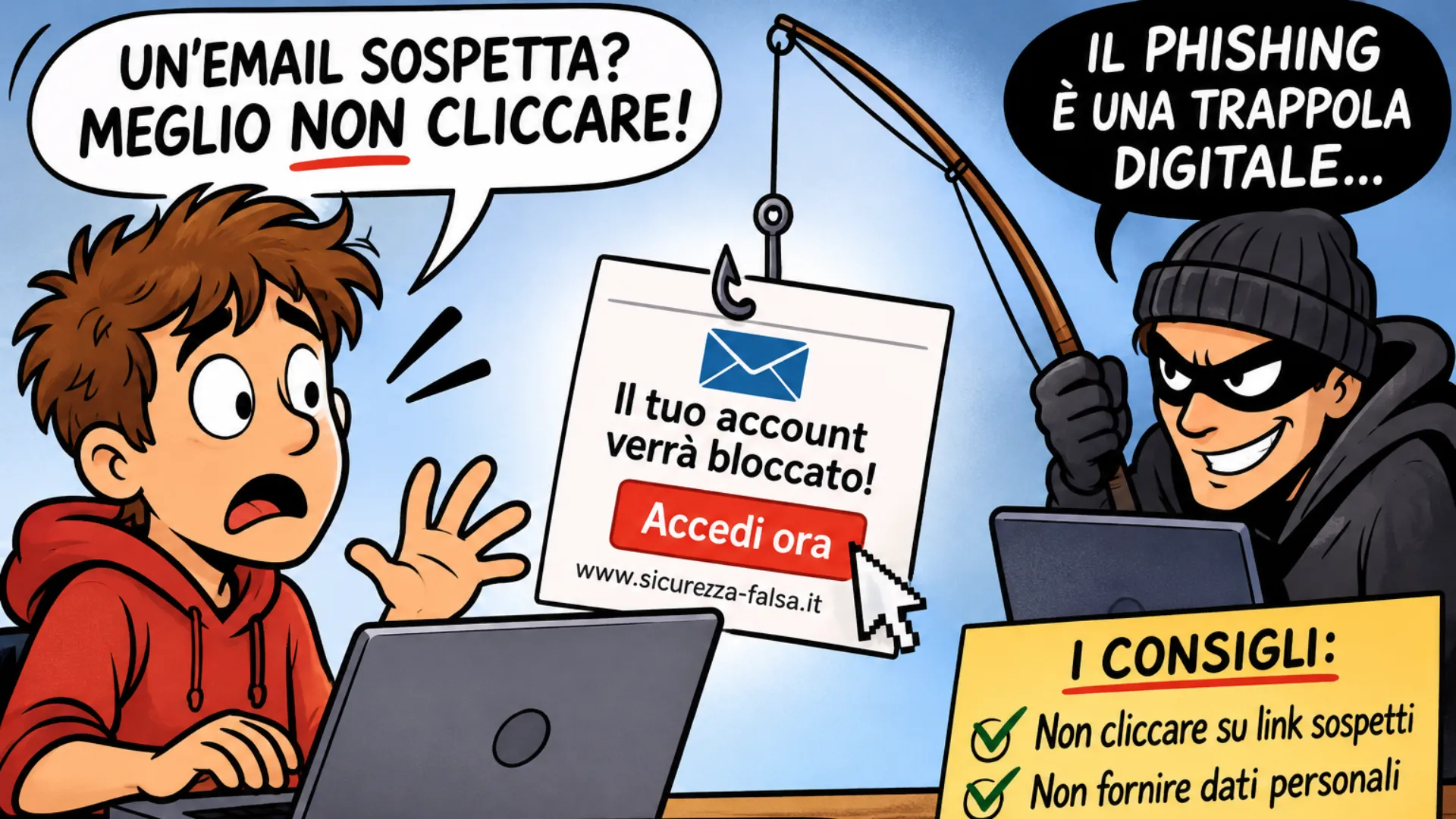
The global outage of Microsoft Outlook, which has been causing disruptions for millions of users since Thursday, November 12, has become a new opportunity for cybercriminals. As individuals, businesses, and institutions try to regain access to their email accounts, phishing attempts are on the rise, exploiting this IT emergency to deceive users. The scammers’ strategy is as simple as it is insidious: sending emails that appear to be official communications from Microsoft, urging recipients to click on a link to restore their email service. These messages prey on the anxiety of those who cannot access their email and on the need to quickly resume using a service that is essential for work and daily life.
Behind these seemingly credible communications lie phishing attempts. The link in the message may in fact lead to a fake page designed to mimic the appearance of Microsoft’s official site. There, the user is asked to enter their credentials, risking the direct disclosure of their username and password to the scammers. Once they have obtained this information, cybercriminals can attempt to access the email account, steal personal information, read confidential communications, and exploit the compromised account to send further fraudulent messages to the victim’s contacts.
This is a particularly opportune time for cybercriminals: anyone experiencing problems with Outlook may be more likely to trust a message promising an immediate solution. The first rule is not to click on links in emails that ask you to reset your account or verify your credentials. Do not access Microsoft through links received from unknown or suspicious senders; to check the status of services, it is best to use the company’s official channels directly.
You should also carefully check the sender’s address, watching out for domains that mimic authentic ones, and be wary of messages that use alarmist language or demand immediate action. If you receive suspicious communications, Microsoft recommends reporting them using the dedicated feature in Outlook by selecting the “phishing” option—without opening any links or attachments. This wave of fraudulent attempts comes amid an already particularly delicate situation. The Microsoft outage, which began on Thursday, November 12, affected Outlook and Exchange Online, as well as several Microsoft 365, Teams, and Copilot services.
According to initial reports, the issue appears to be linked to infrastructure overload and the unavailability of several servers. Based on the available information, Microsoft has ruled out the possibility that the outage was caused by a cyberattack. Restoration efforts continued on Friday, November 13, but service returned to normal only gradually. And just as users wait to resume normal use of their email, cybercriminals are trying to turn this disruption into an opportunity to steal data and credentials.