ATP Finals: Adriano Panatta Steps Up the Pressure; Angelo Binaghi Fires Back with Harsh Words
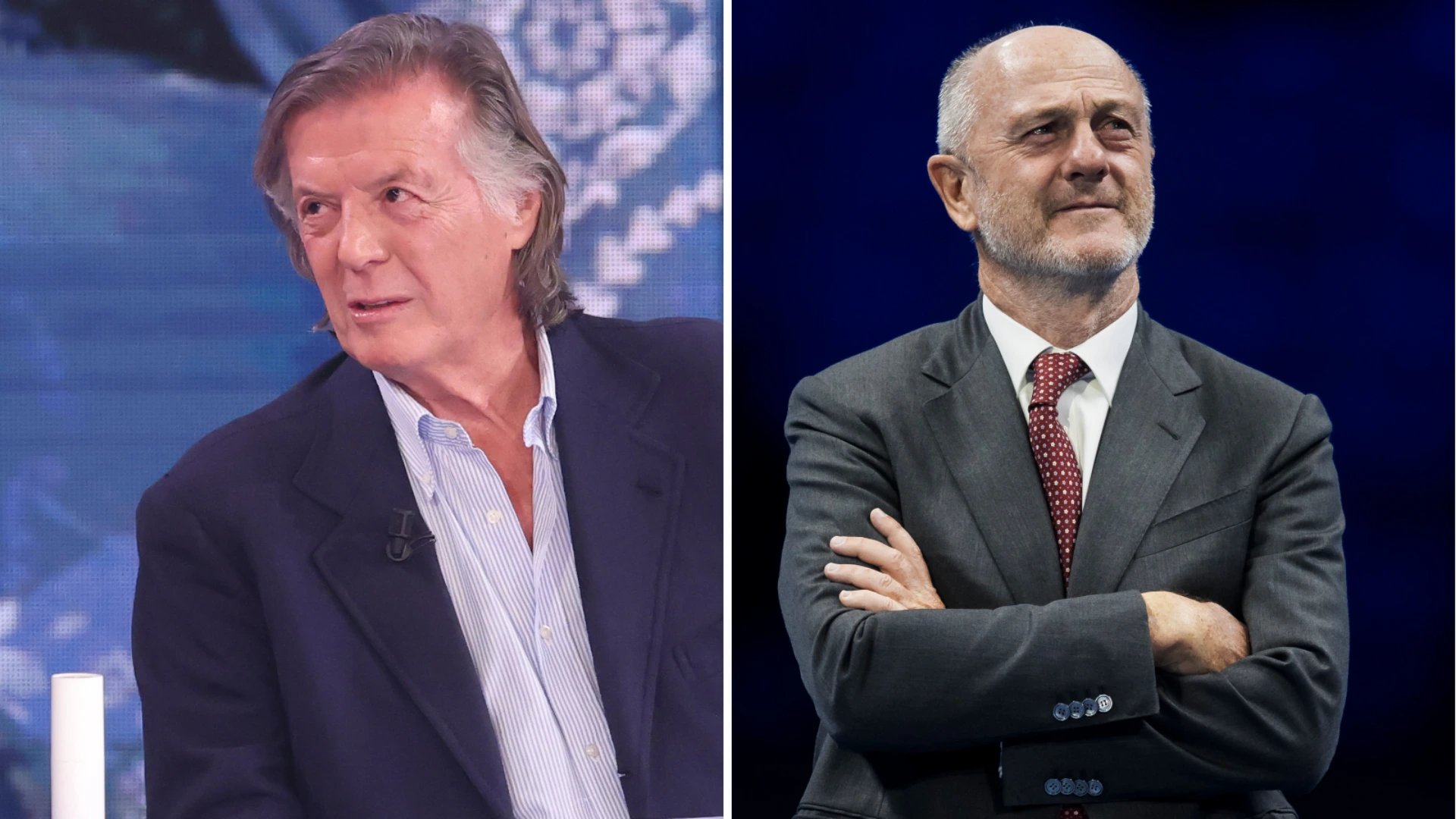
At the ATP Finals in Turin, the controversy continues to rage. Adriano Panatta, first on the podcast “La Telefonata” with Paolo Bertolucci and then on the television show “Che Tempo Che Fa,” called the tournament “utter vulgarity,” accusing the organizers of prioritizing spectacle, music, and lighting over tennis. Angelo Binaghi, when asked about the issue by ‘La Repubblica’, responded with harsh words, turning the accusation around and citing Panatta’s own past as director of the Italian Open.
Panatta criticized, above all, the speed of the court and the atmosphere at the Inalpi Arena. “Tennis has become an afterthought; it’s all spectacle, nightclub, and psychedelic lights. It’s an act of utter vulgarity,” said the former champion, adding that the surface “is like ice.” His words were even harsher on television, where he spoke of an “attack on my sport” and of tennis being reduced to mere entertainment. For Panatta, the risk is that the game will lose its identity, with extremely powerful serves and increasingly shorter rallies.
Angelo Binaghi didn’t miss the opportunity to counterattack. The president of the Italian Tennis Federation responded point by point, starting with the court’s speed: “It’s exactly the same as last year’s. None of the players complained.” Binaghi then explained that the contract with the ATP for hosting the Finals includes three specific stipulations: the choice of balls, the court, and the show production rests with the ATP, precisely to ensure impartiality in playing conditions.
The harshest part of Binaghi’s response, however, concerns Panatta’s past. “In my opinion, the Italian Open was vulgar when the director (a reference to Panatta, director of the Rome tournament between 1999 and 2003, is unequivocal, ed.) had set up a “village” on the sidelines—a veritable nightclub open until 4 a.m.—which diverted attention away from tennis,” he said. Binaghi then recalled the suspension imposed on Panatta by CONI during that period: a lifetime ban from federal sports positions in 2003, reduced in 2005 to five years.
The controversy comes amid an already tense atmosphere, with declining viewership and Jannik Sinner’s absence weighing heavily on the tournament. In this scenario, every public statement risks further fueling the debate. The controversy has now become part of these ATP Finals, and with the semifinals just around the corner, every new statement risks shifting the focus from the court to the words.