2026 World Cup: Donald Trump’s Difficult Wish Ahead of Spain vs. Argentina
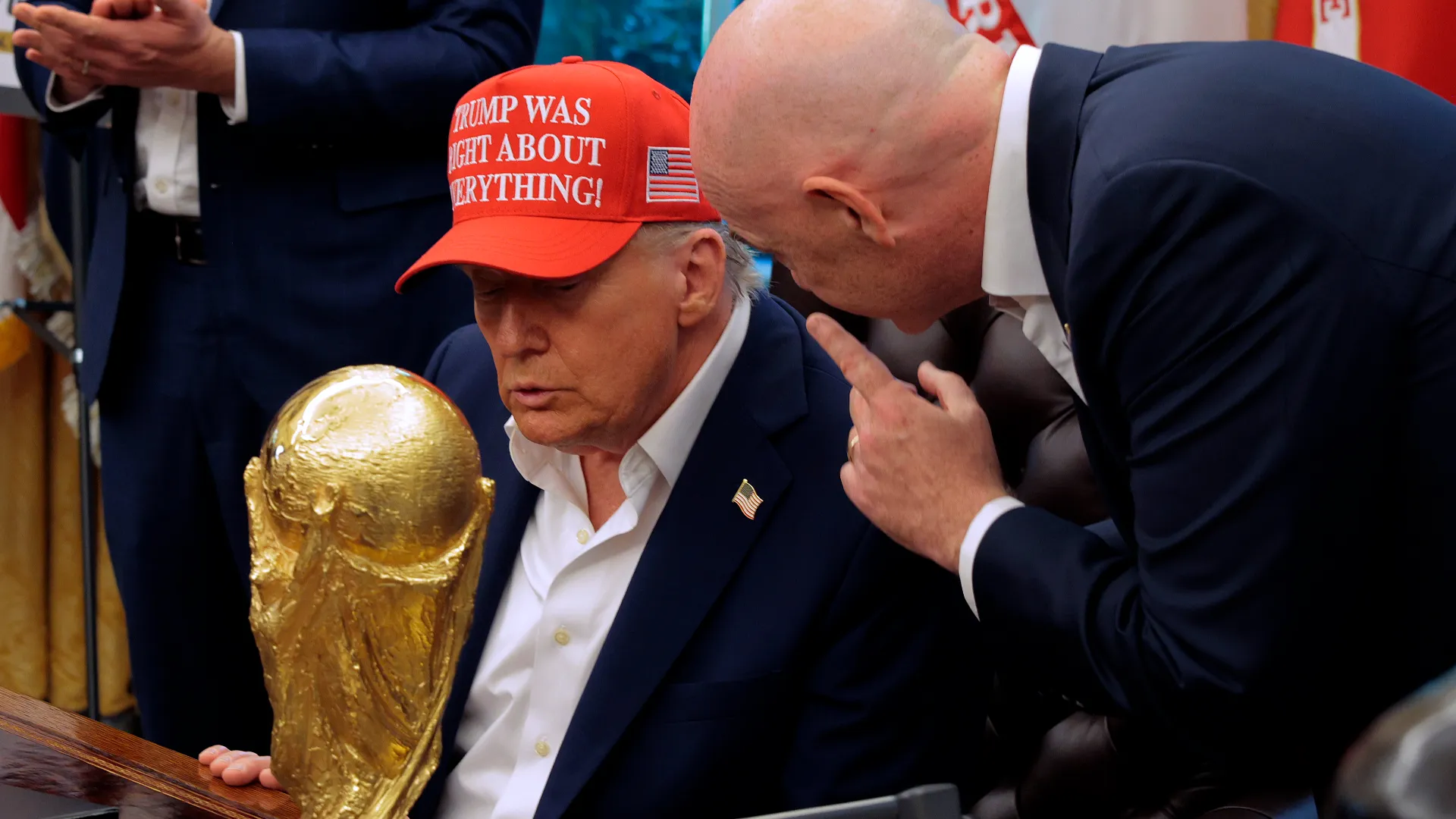
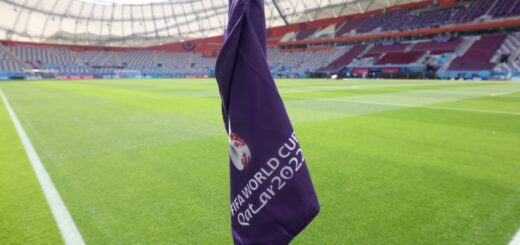
Spain vs. Argentina is the final match of the 2026 World Cup, an event that may have finally marked the beginning of the love affair between the United States and soccer after nearly a century of unsuccessful attempts to forge such a connection. On the evening of the big match at MetLife Stadium, however, Donald Trump made a suggestion to Gianni Infantino (the FIFA president who had once again highlighted the country’s organizational merits in the days leading up to the final). His wish, however, appears to be, at the very least, difficult to fulfill.
“The World Cup was a success, a wonderful tournament. The United States is a soccer nation and will immediately request to host another World Cup. We want to see it on American soil again as soon as possible. We have to do it again, and we have to make it happen while I’m still around. Got it, Gianni?” Trump reportedly said while speaking in the presence of the “usual” Infantino even before the Spain-Argentina match began, according to ‘The Athletic’. These words are open to interpretation, but in any case, they leave little room for concrete action.
If by “as long as I’m still around” Trump meant his intention to bring the World Cup back to the United States during his presidency, that would be impossible in any case. The next World Cup will be held in 2030, with his second (and final) term ending in January 2029 following the election of a new president in 2028. It’s also important to remember that the hosting rights for that World Cup have already been awarded to Spain, Portugal, and Morocco, and those for the 2034 tournament to Saudi Arabia. The U.S. would therefore not be able to host the event again before 2038. And by that point, the tycoon would be 92 years old.
Trump’s statement comes, moreover, after an evening in which the U.S. president had already played a far from marginal role. In fact, it was he—and not Infantino—who was tasked with presenting the World Cup trophy to the winners: a complete departure from tradition, announced by the FIFA president himself in the days leading up to the final. This isn’t the first time Trump has carved out a leading role for himself at a major soccer event: during the Club World Cup final between Chelsea and Paris Saint-Germain, he remained on stage even after the trophy was presented, drawing the attention of the cameras amid the embarrassment of some players and boos from part of the crowd.
The evening had already seen moments of high political tension even before kickoff, with the handshake between Trump and Spanish Prime Minister Pedro Sánchez—figures divided by decidedly turbulent relations—captured by countless photographers. Just eleven days ago, during the NATO summit in Ankara, Trump had called Spain “a lost cause” and “a terrible partner in NATO,” going so far as to call for a halt to all trade with the Iberian country. The prospect of having to present the World Cup trophy to the Spanish national team had already sparked mockery from his detractors in the United States, with former Senior Director of the National Security Council Thomas J. Wright commenting on X: “It’ll be pretty funny if Trump has to present the World Cup trophy to Spain on Sunday.” Argentine President Javier Milei, however, was absent; his absence was attributed—according to a live report on Rai—to mere superstition.
No less significant is the context in which Trump’s enthusiasm is set. Infantino himself, at a press conference just a few hours before the final, had already used superlatives to describe the tournament: “It was the most incredible event in human history. Not just the greatest World Cup, but the greatest sporting, social, and cultural event humanity has ever experienced. I think we’ll have to invent new words to describe it.” Words that sound almost like an echo of the hyperbole so dear to the White House occupant himself—and which did not fail to provoke some irony, given that Infantino had been met with a barrage of boos from the stands throughout the tournament—including during the France-Spain semifinal — due to the controversy surrounding the lifting of Folarin Balogun’s suspension, which many observers believe resulted from a phone call from Trump himself to the FIFA president.
In short, this World Cup has left behind not only sporting excitement but also a tangled web of unresolved issues regarding the future of soccer and its governance. Trump’s desire to bring the World Cup back to the United States “as soon as possible” thus risks remaining little more than a rant from the sidelines: evocative, certainly consistent with his persona, but destined to clash with an organizational and political reality that, at least this time, does not seem willing to accommodate him.