Montreal: Jannik Sinner Remains at the Center of the Debate; Reactions Pour In to the Editor-in-Chief’s Harsh Comments
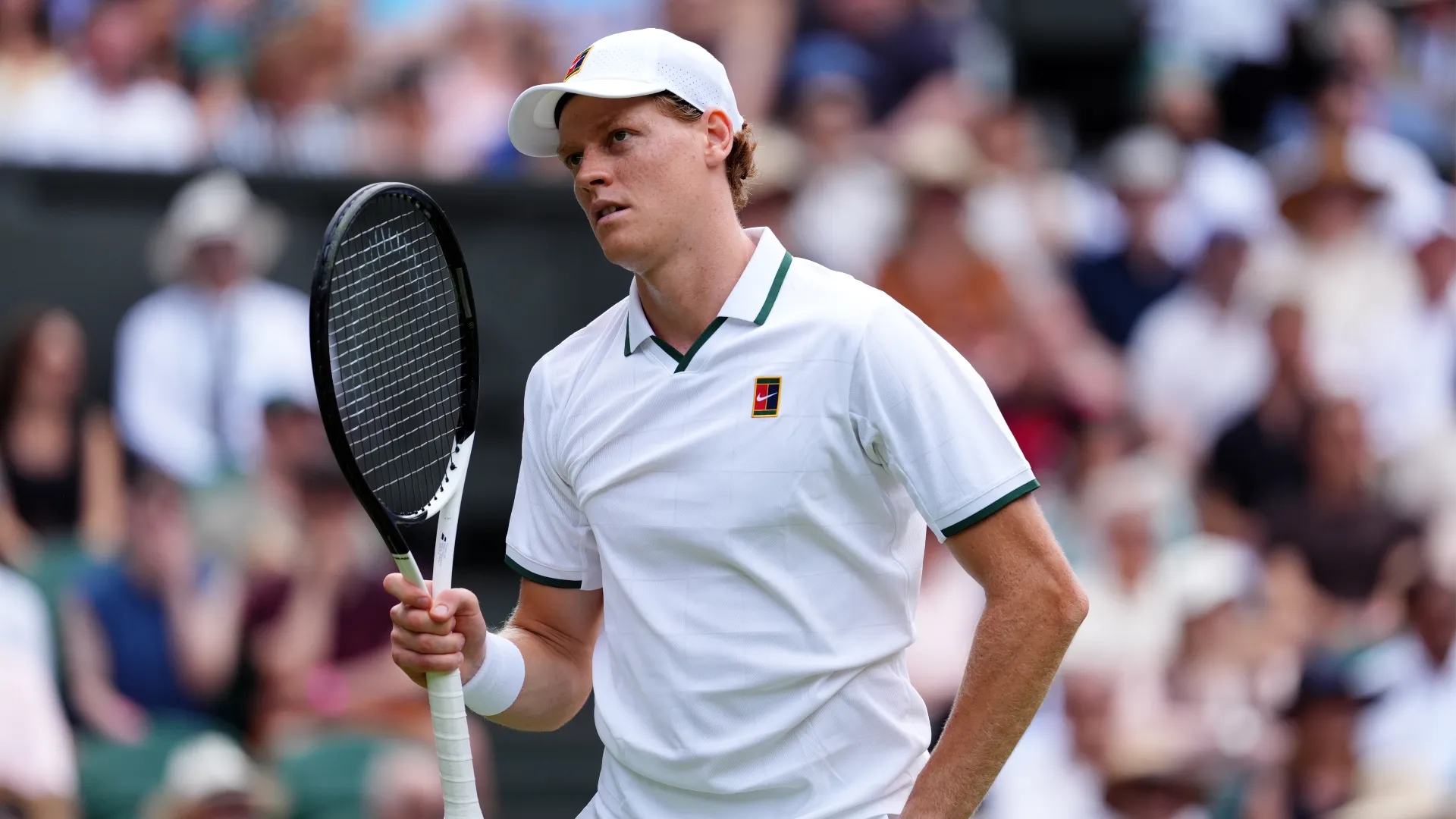
Jannik Sinner’s withdrawal from the Montreal Masters 1000 has sparked a debate that goes far beyond simply pulling out of a tournament. The Italian, who chose to skip the Canadian tournament to rest ahead of the U.S. Open, has unwittingly become the center of a discussion involving players, industry insiders, and above all, fans—who have rallied to his defense following the particularly harsh comments from the tournament organizers.
On Friday, Sinner announced his decision not to participate in the Canadian Masters 1000, forgoing the chance to complete the Masters 1000 collection in a single calendar year after winning the first five events of 2026. The reason is clear: to recharge and prepare as best as possible for the New York Grand Slam, the main goal of the second half of the season.
His words were clear: “After carefully evaluating all the factors together with my team, we made the difficult decision to withdraw from Montreal. It’s never easy to skip such an important event, but we believe this is the right decision to prioritize my health.”
It was a well-considered choice, coming after an extremely intense period: to chase the record, Sinner would have had to play twelve matches in twenty days between Montreal and Cincinnati, with an immediate transition from one tournament to the next and very little time to recover. Such a workload, coming right after Wimbledon, would have put his physical and mental well-being at risk.
In Montreal, however, the decision was not received with the same calm. Tournament director Valerie Tetreault commented on Sinner’s withdrawal—which was followed by Novak Djokovic’s—in rather harsh terms: “We are obviously very disappointed that Jannik and Novak won’t be joining us in Montreal this year, especially since they also withdrew from last year’s tournament in Toronto. The frequency of these last-minute withdrawals raises a broader issue for our sport. Fans rightly expect to see the best players.”
Her words immediately sparked a reaction from fans: on social media and in forums, the pro-Sinner camp‑Sinner camp rallied, emphasizing how the world No. 1 has always managed his schedule with great professionalism and how his decision is perfectly consistent with the need to protect athletes’ health. Many fans pointed out that the problem isn’t Sinner, nor Djokovic, nor Alcaraz (who is also out due to injury), but the schedule itself.
For some time now, in fact, the ATP has been reflecting on the impact of the new Masters 1000 format, spread over two weeks. The goal was to increase revenue and prize money, but the result has been the opposite of expectations: it has placed a greater physical burden on top players and left them with fewer opportunities to recover, leading to an increase in strategic withdrawals and top-tier tournaments often being deprived of their main stars.
Jannik Sinner’s decision, however, is fueling a growing sentiment within the ATP—day by day—in favor of a more streamlined calendar, with fewer obligations and a more balanced distribution of the Masters 1000 tournaments. This is an approach that, long before the current situation, Novak Djokovic himself had repeatedly advocated, calling for fewer but more sustainable tournaments—and, above all, avoiding grueling stretches such as the five Masters events between March and May or the Montreal–Cincinnati doubleheader right before the U.S. Open.
Sinner’s withdrawal thus becomes a symbolic case: not just a personal choice, but a signal that fuels a debate that has now become inevitable. Fans’ reaction was immediate: full support for Sinner’s decision, criticism of the schedule, frustration with the organizers’ tone, and calls for greater protection for top players are the main themes of posts and comments. In short, the world No. 1 is making his voice heard even without stepping onto the court.