Simone Vagnozzi Reveals the Decisive Conversation with Jannik Sinner
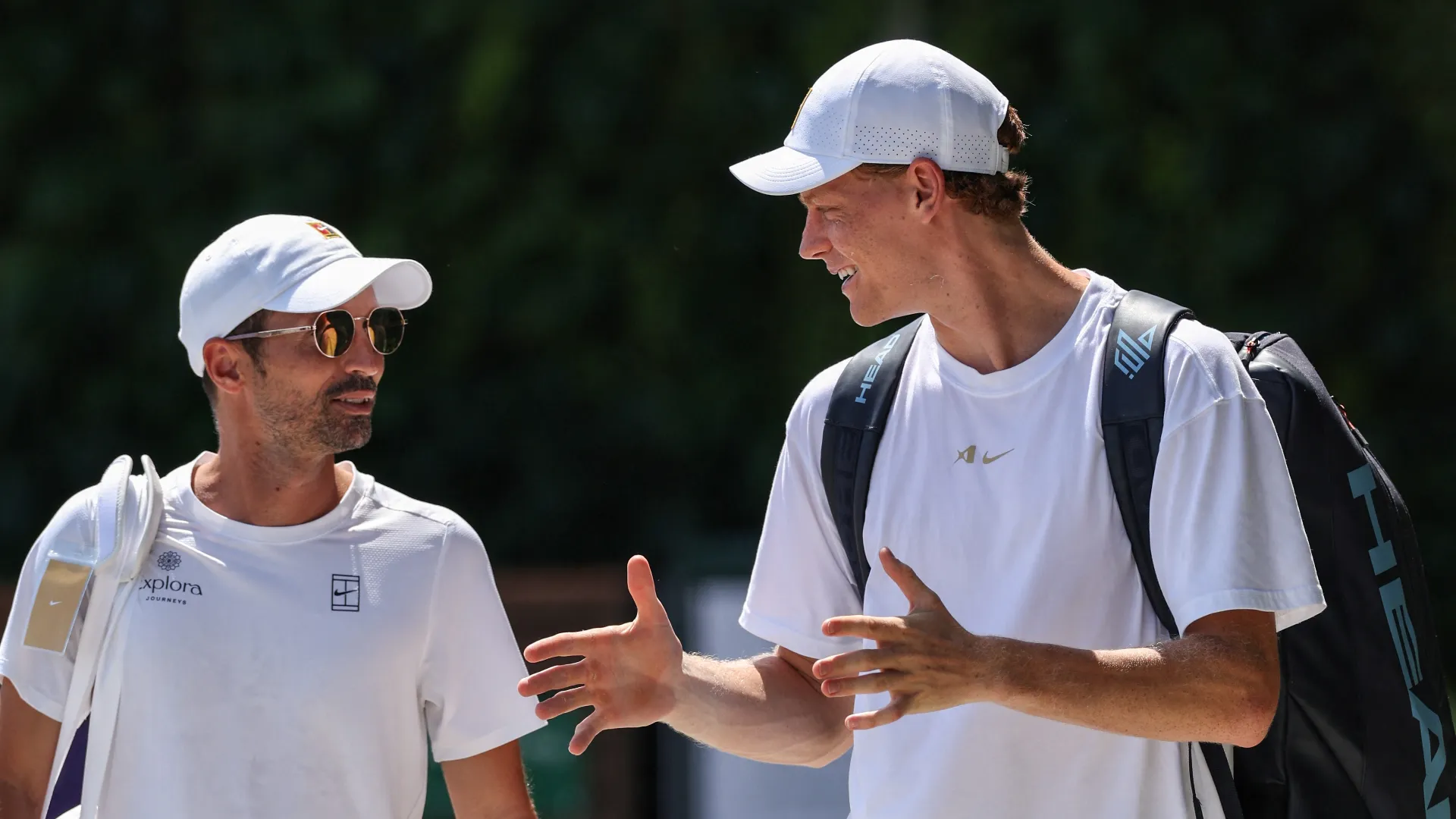
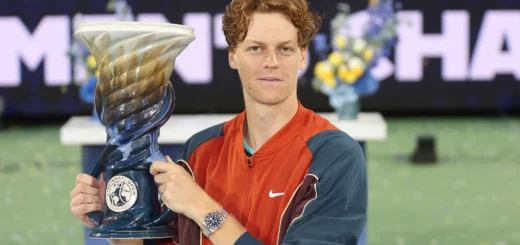
Jannik Sinner’s coach, Simone Vagnozzi, spoke in an interview with *Corriere della Sera* about his relationship with the Italian player and recounted his initial contacts and conversations with the champion from Sesto Pusteria, who was looking for a coach in 2022 following his latest disappointments on the tour: “His manager is my best man; Alex Vittur and I have known each other for ages. Jannik came to Cecchinato’s box in Monte Carlo, and then there was the final in Melbourne where he played against Travaglia, whom I was coaching at the time. When Sinner decided to part ways with Piatti, Vittur called me to coach him. It was 2022. They put me on a trial basis.”
The first meeting was decisive: “I was hoping he wouldn’t tell me he was happy being No. 10 in the world. And that’s exactly what happened. He wanted to become No. 1. At the time, he was struggling against Nadal, Djokovic, and Tsitsipas. To become a top player, he needed to improve in many areas. He was already very strong, but he needed to build up his physical and muscular strength and work on his mental game. When I think back to Jannik five years ago, when we started, I see him as a completely different player today.”
In just a few years, Sinner has completely transformed himself: “His serve is different, his point management, his confidence at the net, his ease in choosing to drop-shot—everything has improved and changed. You learn through experience, of course. But there’s a lot of hard work, a lot of study, and a lot of dedication on his part. Jannik has a great desire to learn—to always improve.” Sinner’s greatest strength is undoubtedly his work ethic and sacrifice: “It’s incredible. In five years, I’ve probably had to motivate him only two or three times. He’s always the first to be willing to make sacrifices to improve, and he’s very good at listening. He isn’t consumed by the arrogance he’d have every right to feel. Even if you’re harsh with him after a match, the next day he reflects on it, responds, and accepts what you told him. His greatest quality is wanting people around him who’ll tell him what he doesn’t want to hear.”
Mental strength has played a key role: “It all starts with attitude, openness, and the desire to improve. Of course, you have to learn to drop-shot or go to the net at the right moment. But first and foremost, you have to find the courage to do it—the courage to make mistakes, even to fail. A lot of it is in your head. A coach must instill confidence in the player, convincing him that limits can be overcome. He has innate talent. You don’t become a thoroughbred if you’re a nag. Now you can see that he knows how to hit aces at crucial moments, but for that to happen, you have to feel confident in your shot because you’ve worked on it for hours and hours in practice.”