Juventus Transfer Market: The Kessié Situation Isn’t Over Yet—Agent Attacks Carnevali
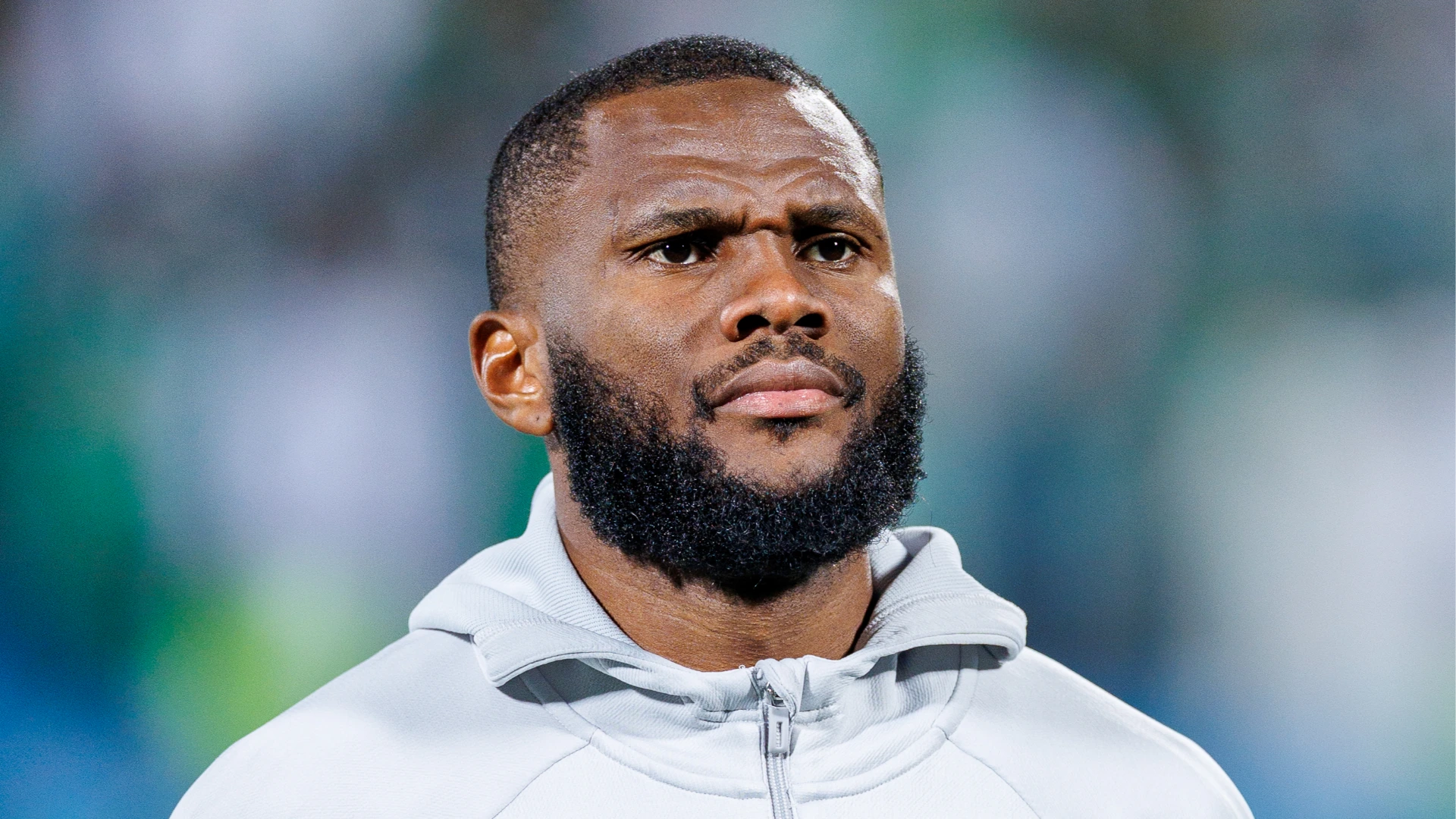
Negotiations between Franck Kessié and Juventus fell through last week when the midfielder decided to sign with Atalanta. The story, however, does not seem set to end there. The debate was reignited by statements made by Juventus CEO Giovanni Carnevali on Saturday before the match against Parma. “We thought there was a chance to close the deal, but perhaps he wasn’t really that interested in wearing the Juventus jersey. Or perhaps his agent looked out for his own interests…,” Carnevali had stated.
This remark—especially the part regarding the agent’s role—was not at all well-received by George Atangana, Kessié’s agent. The agent subsequently issued a lengthy statement in which he recounted the negotiations from his own perspective, rejecting the notion that the midfielder wasn’t truly interested in Juventus. Atangana explained that contact with Juventus had begun well before the final days of the transfer window.
“The negotiations with Juventus did not begin in the final days of the transfer window. It’s a story that began many weeks earlier, when Franck—with his contract having expired—had essentially decided that he wanted to commit to the Juventus project. It wasn’t just a simple declaration of intent. Franck demonstrated concretely—through his actions and by making enormous financial sacrifices—just how much he wanted to wear the Juventus jersey. He turned down several offers from other clubs, some of which involved sums that would objectively have been impossible for almost any player to turn down. He remained determined to join Juventus despite receiving offers that were financially far more lucrative than what he would have accepted from the Bianconeri. This is a key point for understanding the entire situation. Franck didn’t wait for Juventus because he had no other options; he waited all summer for Juventus to follow through on the strong interest they had shown in him, because he was convinced of his choice.”
According to Atangana, the player also agreed to lower his financial demands in order to facilitate the transfer. “Juventus’s concrete offer only materialized in the very last days of the transfer window. And although it was significantly lower than the terms initially discussed, I had the player’s agreement to adjust his demands, lowering them specifically to accommodate Juventus’s needs and financial constraints: his priority, at that point, was not to maximize his earnings, but to join Juventus.”
However, an agreement was not reached. “On this basis, both sides sought to find an acceptable compromise, and—as can happen—despite Franck’s great flexibility in finding a solution compatible with Juventus’ financial needs, a balance could not be reached.” The agent therefore maintains that, by the end of August, Kessié had begun to question Juventus’s genuine willingness to see the deal through.
“Believing he had done his utmost to accommodate the club—aware of his career trajectory, his value, and at the same time the sacrifices he had made to prioritize Juventus—Franck, at the end of August, drew some legitimate and reasonable conclusions about the club’s actual determination to sign him.
It had become a matter of self-respect, of confidence in his abilities, and, above all, of dignity. There is an African proverb that I believe perfectly captures the essence of this situation: ‘To deeply desire and appreciate something does not mean being willing to accept it at any cost. Everything has its limits.’ Franck truly wanted to join Juventus and demonstrated this through his actions, his patience, and significant financial sacrifices. But wanting a jersey cannot mean giving up one’s dignity or the respect that a professional of his caliber believes he deserves.”
Atangana then directly addressed the issue raised by the Juventus CEO, who suggested that the player may not have had such a strong desire to move to Turin. “In the public statements made by the CEO of Juventus, reference was made—in addition to the agent’s likely responsibility—to an alleged lack of determination on the player’s part to wear the Bianconeri jersey. I naturally respect everyone’s right to express their position, but on this point I believe it is necessary to set the record straight. Franck Kessié waited for Juventus for weeks, even when one would have expected that—provided the conditions regarding financial sustainability remained in place—dialogue would have continued in order to finalize the agreement. Instead, it was only in the very last days of the transfer window that the club showed a willingness to actually sit down at the negotiating table. Every club naturally has the right to make its own assessments and set its own priorities. But a player, too, has the right—at a certain point—to do the same.”