Jannik Sinner, endless checks: a sensor appears on his arm even on the court
That small sensor attached to Jannik Sinner’s left arm did not go unnoticed during training, sparking questions and concerns among fans and insiders. It is, in fact, a device for continuous blood glucose monitoring, commonly used by people with diabetes, but in the case of the world’s number one player, it is simply a monitoring tool included in the medical evaluation process initiated following tests conducted at San Raffaele Hospital.
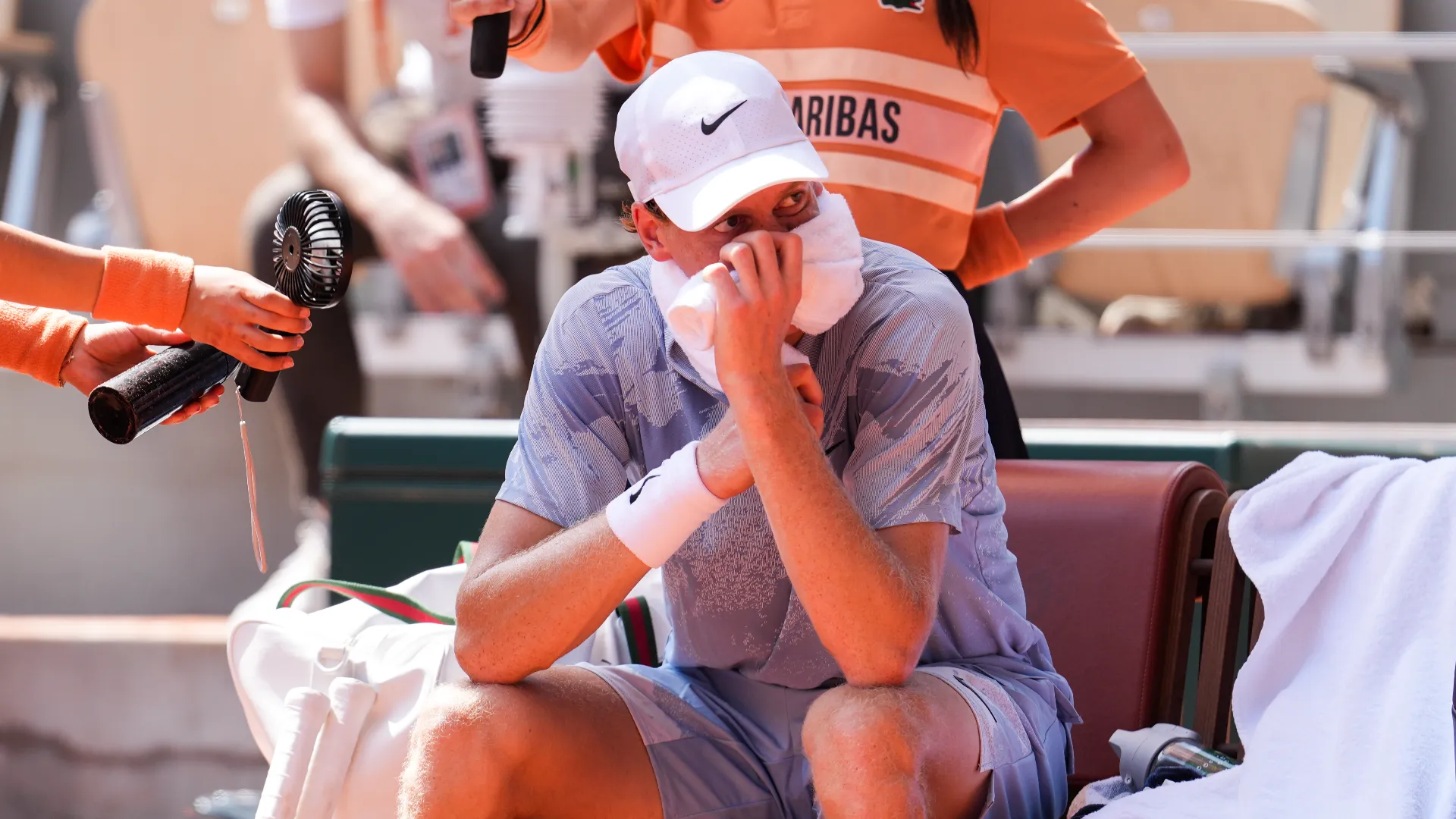
Following a series of blood and cardiac tests, according to *La Gazzetta dello Sport*, the medical team decided to also analyze how his blood sugar levels fluctuate during physical exertion. The goal is to understand the possible causes of the dramatic slump Sinner experienced at Roland Garros, when—just four points away from victory in the third set—he suffered a stunning comeback by Juan Manuel Cerúndolo, losing 18 consecutive games and, consequently, the match.
There is no cause for health concern. The tests conducted so far have not revealed any conditions such as diabetes. Rather, the doctors and staff intend to study the South Tyrolean’s energy expenditure in detail and understand why, under certain circumstances, he may experience a sudden depletion of energy. Based on the data collected, nutritionists and trainers may adjust his diet and supplementation to optimize the management of his physical resources during the most demanding matches.
The use of these tools is nothing new in elite tennis. Novak Djokovic, who has always been very attentive to his physical well-being and remains competitive at the highest level at age 39, has also relied on blood glucose monitoring in the past to assess the effects of his gluten-free diet.
With the checkups behind him, Sinner is ready to focus on the grass-court season. The Italian champion will head to London, where he’ll begin adapting to the new surface and take part in the Armani Tennis Classic at the Hurlingham Club alongside fellow Italians Flavio Cobolli and Luciano Darderi, as well as Norway’s Casper Ruud.