Roberto Mancini returns as head coach of the Italian national team: there’s a thrilling precedent
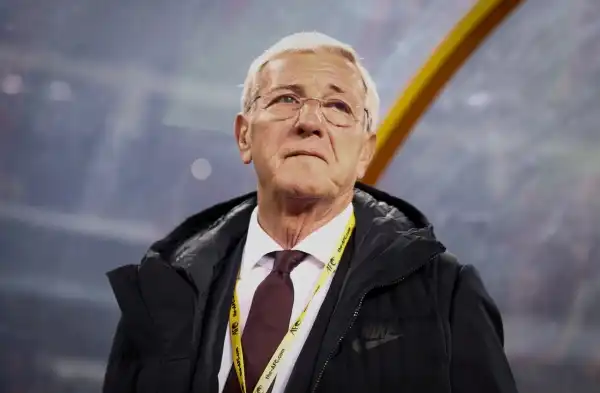
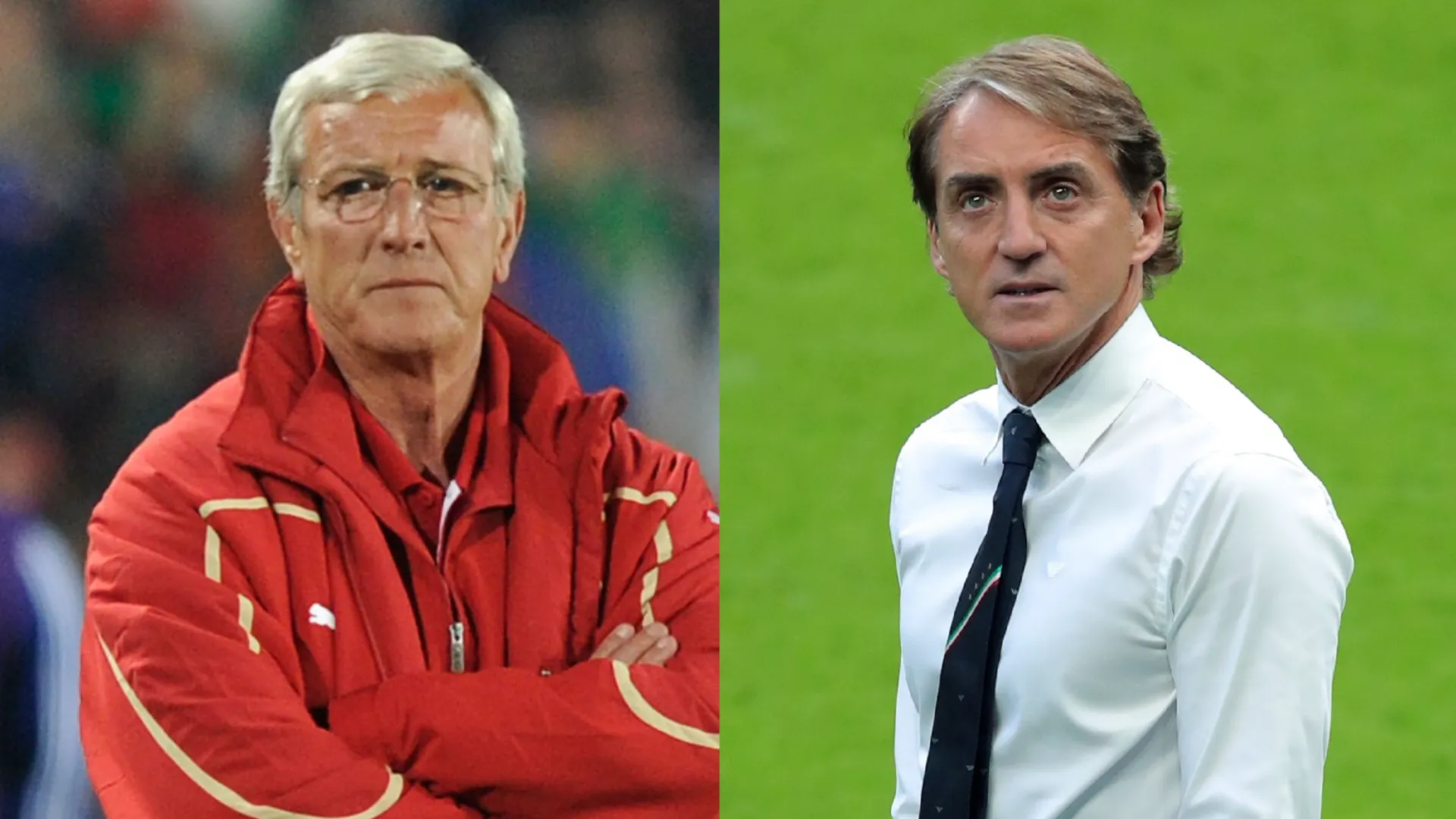
Roberto Mancini’s second stint, which has just begun, is reminiscent of Marcello Lippi’s return to the national team bench in July 2008, when he succeeded Roberto Donadoni following the European Championship held in Austria and Switzerland. The FIGC’s goal was to launch a new era of success with the Viareggio native, capitalizing on the momentum from the World Cup title won in Berlin in 2006 under his leadership with Fabio Cannavaro and his teammates.
However, Lippi’s second stint at the helm of the Azzurri ended in a massive disappointment: at the 2010 World Cup in South Africa, Italy was eliminated in the group stage, finishing behind Paraguay, Slovakia, and New Zealand—not exactly three global powerhouses.
History is repeating itself, then, albeit under different circumstances. Mancini returns to the Azzurri bench after a first stint that was by no means without merit: with a 60.66% win rate, he ranks fourth in the all-time standings of head coaches with at least twenty stints, and remains the only coach to have won more medals in official FIFA and UEFA competitions at the helm of the national team, with a total of four podium finishes: gold at Euro 2020, two bronze medals in the Nations League, and silver in the 2022 Finalissima against Argentina.
The context of his return, however, has been marked by controversy and turmoil. The FIGC has endured weeks of chaos: Paolo Maldini and Leonardo were turned down by Carlo Ancelotti and Pep Guardiola, then set their sights on Andrea Pirlo, only to have their choice blocked by federation president Giovanni Malagò due to the former midfielder’s collaboration with a Russian betting agency as a global ambassador. The two executives’ double backtracking thus paved the way for Mancini’s appointment, which was made official by Malagò himself.
A decision that sparked extremely harsh reactions. A poll by *La Gazzetta dello Sport*, which garnered over 26,000 votes in just a few hours, showed that 86% of voters opposed the Jesi-born coach, with the wound of his sensational departure in 2023 — when he left the national team to accept a lucrative offer from Saudi Arabia — still fresh in everyone’s minds. Among the Serie A presidents, who had identified Antonio Conte as the ideal figure to lead the team forward, a joke circulating on the sidelines of the Federal Council meeting is telling: “The National Team, Rome North Branch, is born,” a reference to the friendship between Malagò and the new head coach.
There is no shortage of supportive voices, however. Cesc Fabregas, coach of Como, stood out as one of the few to publicly speak out in defense of the decision: “Mancini is an honest and successful person; he’s won many trophies, and his teams play attacking soccer. I really admired Italy’s 2021 European Championship victory and I’m glad he’s back. I’m not interested in what happened three years ago.” His son Andrea, sporting director at Cesena, also spoke of his father’s strong motivation: “He wants to restore the image of his departure from Italy. He wants to erase the disappointment of those three failed qualifiers.”
On the field, the first test will be the Nations League, with Italy placed in Group 1 of League A alongside France, Belgium, and Turkey. It’s a demanding schedule that leaves no room for error for a national team called upon to rediscover its identity and consistency, and for a head coach who, like Lippi in 2008, will have to prove that comebacks can hold better surprises than their historical precedents might suggest.