Do you remember Vozinha? The World Cup hero is at risk of being out of work just six months later
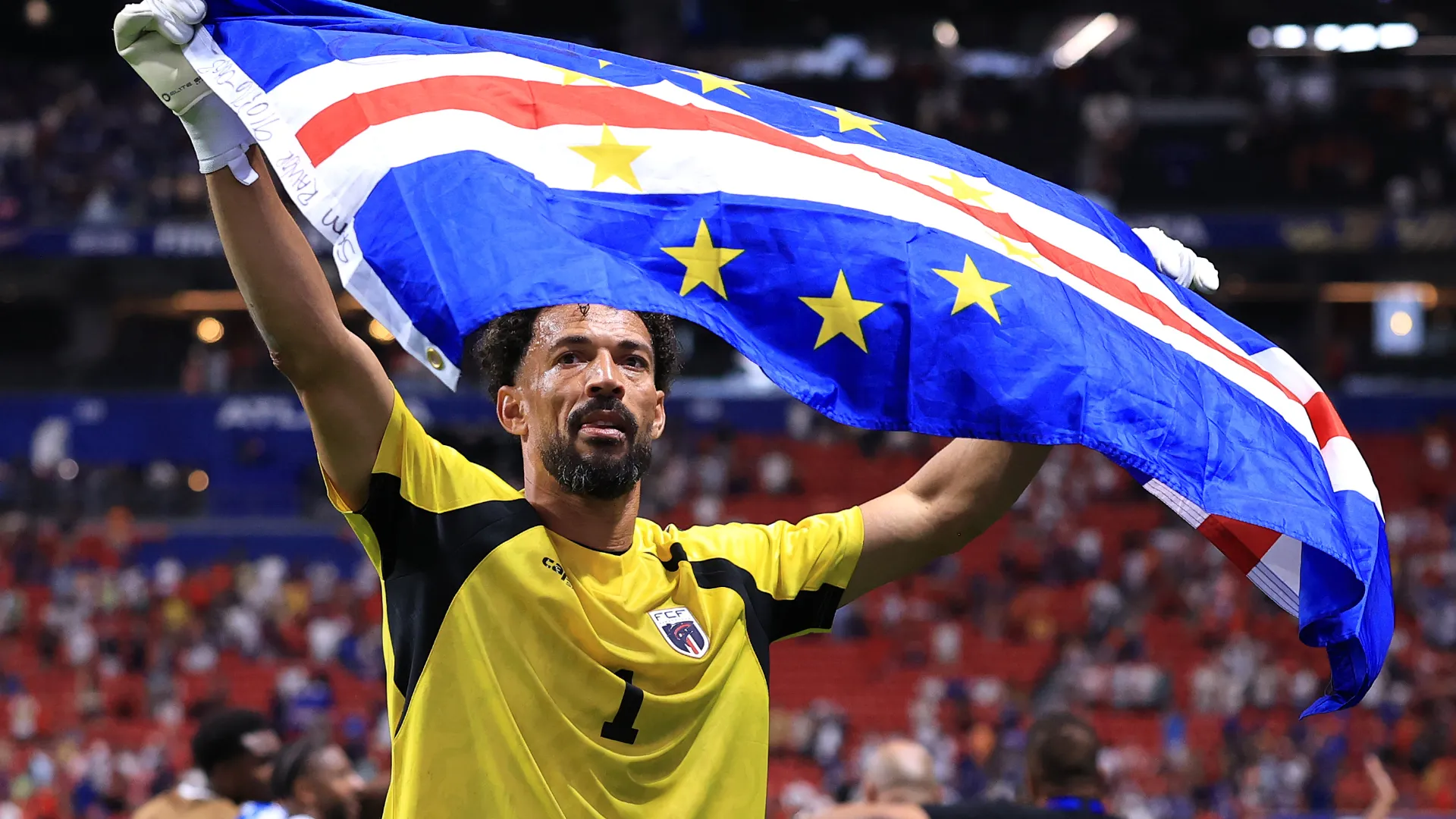
Vozinha, whose real name is Josimar José Évora Dias, was one of the standout players of the 2026 World Cup. The 40-year-old goalkeeper (born June 3, 1986) amazed the world with his performances in goal for Cape Verde, earning himself a new contract and a top-tier opportunity with Colo Colo. However, things in Chile are falling short of hopes and the sky-high expectations set this summer, so much so that by December, the African goalkeeper could once again find himself unexpectedly out of a job.
After all, the contract he signed was clear: Vozinha is officially Colo Colo’s goalkeeper for five months, with the option to extend his contract by one year if he plays in 50% of the available matches. It’s a shame that his chances in Chile are dwindling after a poor performance against Deportes Concepción. “He’s only had three opportunities; he hasn’t really been put to the test yet,” his coach, Fernando Ortiz, assured. It’s a shame that Cape Verde’s World Cup hero has so far made just 3 appearances out of his team’s total of 9 matches. And so the likelihood of him finding himself a free agent by New Year’s Day is steadily increasing. Less than six months after his sensational international feat.
Yet just three months ago, everyone was talking about Vozinha. It all began on June 15, when Cape Verde held Spain to a 0-0 draw in their Group H opener: seven decisive saves, all made by the goalkeeper born in 1986, ensured that the Red Fury failed to win their opening match for the twelfth time in World Cup history. “When the ball doesn’t want to go in, it doesn’t want to go in,” coach De La Fuente admitted through gritted teeth in the post-game press conference. Vozinha’s Instagram following had skyrocketed from 20,000 to over 1.5 million followers in just a few hours, and his market value—a mere 50,000 euros on the eve of the tournament—had suddenly become paltry compared to his global fame.
What made the story even more touching were the tears shed after the final whistle, when Vozinha explained the reasons for his emotion: “I cried because I thought about my grandparents; they’re no longer with us, but I’m sure they would have been proud of me. And I’m also crying for my mother: I really wish she were here, but the visa fees were too high—we couldn’t make it in time.” Those words made headlines around the world, prompting thousands of fans to appeal directly to FIFA to take steps to allow the goalkeeper’s mother to travel to the United States and watch her son’s matches in person.
Cape Verde’s run ultimately ended in the Round of 16 against Argentina, in a match that ended 3–2 in favor of the Albiceleste only after extra time. Vozinha was a standout player in that match as well, so much so that even commentator Lele Adani, in one of his most talked-about moments of the tournament, dedicated a quip to the African goalkeeper that went viral immediately after Messi’s goal: “What was the cooling break for? To hydrate number ten! Vozinha, too, can say he let in a goal against the greatest player soccer has ever given us!” In short, it was a full-fledged media celebration—one that today stands in stark contrast to the reality of a goalkeeper at risk of finding himself without a team before Christmas.
It must be said that Colo Colo has, in the recent past, already experienced similar situations involving big names in South American soccer nearing the twilight of their careers. It’s no coincidence that Mauricio Isla bid farewell to professional soccer last September while playing for the very same Chilean club: the 38-year-old Chilean winger decided to hang up his cleats after his final stint with the Santiago “Bianconeri.” A coincidence that, in some way, seems to remind Vozinha that time never stands still—not even for heroic goalkeepers.