Jannik Sinner, there’s a major showdown ahead: the domino effect is becoming increasingly evident
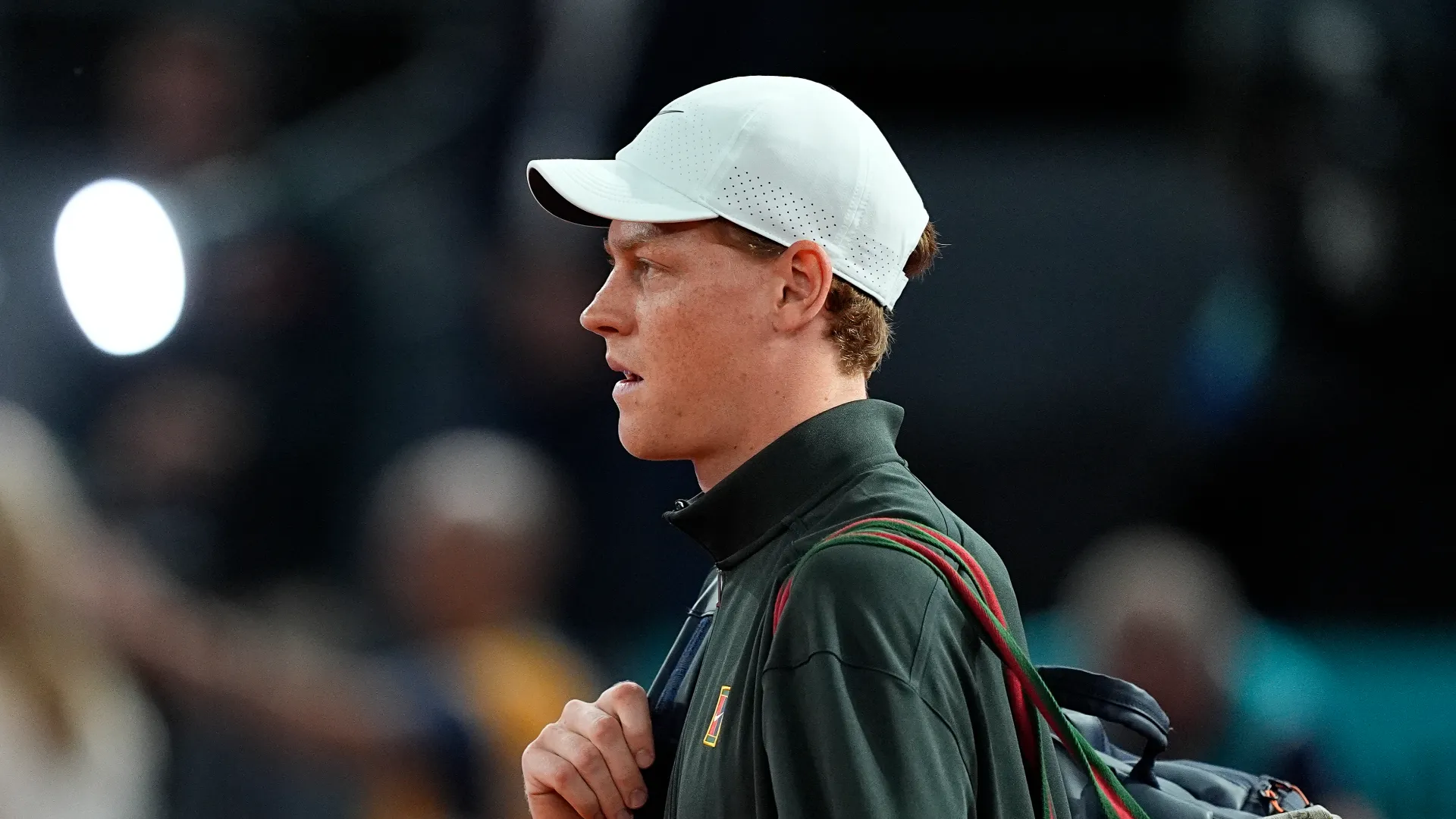
The wound opened by the announcement that Jannik Sinner will be sidelined for the rest of the season shows no signs of healing as the ATP Finals approach. The absence of Italy’s top-ranked player, sidelined by knee tendinopathy, is laying bare an uncomfortable reality for Italian tennis: the overwhelming impact of “Sinner-mania” on major tennis events.
While the appearance of the first tickets on resale platforms in recent days seemed like a limited phenomenon, in the last few hours, resale requests have skyrocketed. On marketplaces and social media channels, ads are popping up constantly: hundreds of tickets for the group stage are being offered for between 150 and 560 euros, while tickets for the final are being priced at over 900 euros, a surge that is raising serious questions about the Italian public’s approach to major tennis events.
On social media, the debate heated up immediately, dividing users into two opposing camps. On one side are those who point the finger at what is called “bar-room cheering” or “casual fandom”: “Watching two of the world’s top eight players live remains a unique spectacle, regardless of who’s on the court,” argue tennis purists. However, the real possibility of seeing another Italian player, Flavio Cobolli, on the court seems to do little to console the disappointed fans.
On the other hand, in fact, many defend the legitimacy of the decision: given the massive financial investment in tickets, travel, and lodging, the “non-specialist” audience was paying for the Sinner event—the man capable of drawing crowds far beyond the traditional tennis audience.
“Does it seem so strange to you that I wanted to see Sinner on the court and not a match between two other players?” writes a user on Facebook. “If I buy a ticket because I’m a Jannik fan and want to see him play, I don’t understand the criticism if I now try to resell it,” writes another fan, this time on X, another hotbed of intense debate among fans.
In addition to the social media skirmish, TV broadcasters are also on edge. The year-end tournament in Turin is a well-oiled machine built on massive advertising investments, staggering TV rights fees, and high-profile sponsorships. The prospect of stands with patches of empty seats, combined with an inevitable drop in TV viewership without Jannik’s draw, risks diminishing the event’s media impact.
Broadcasters, who had planned their schedules and commercial slots around the South Tyrolean’s matches, now see their guarantee of record viewership slipping away. At the same time, the FITP and local organizers find themselves dealing with a hot potato: proving that Turin and the Finals retain unbeatable global appeal, even when their local hero is forced to watch the matches as a spectator.