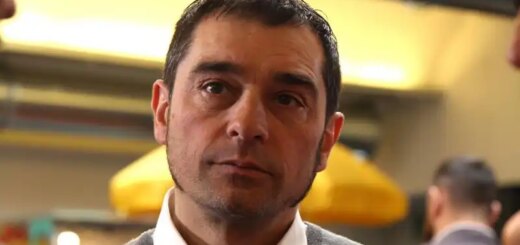
Sandro Sabatini and Lele Adani, a heated argument over Massimiliano Allegri
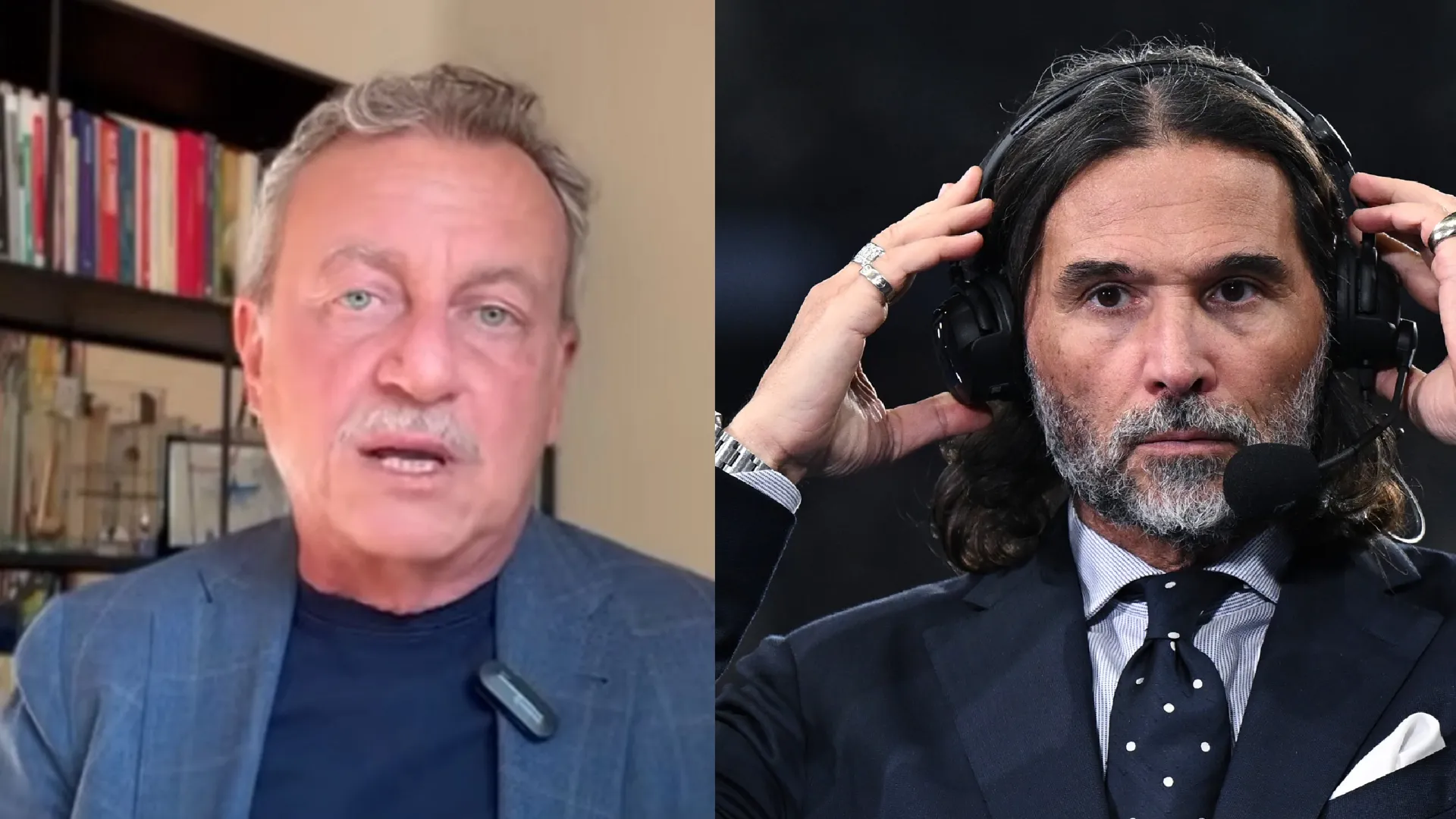
Sandro Sabatini harshly criticized Daniele Adani for his comments about Massimiliano Allegri and the “journalists who defend him.” The RAI commentator on *Via El Fútbol* had once again taken aim at the Napoli coach: “It’s pointless to try to defend the indefensible; it’s pointless to hide behind nonsense and clowning around at press conferences that turn into a circus for everyone present—whether it’s the press room in Turin, Milan, or now Naples. That’s no way to respect the fans, soccer, or your opponents. And why is it that when the game slips away from you at the end, you always have to wrap it up either with a brawl, by taking off your jacket, or by pulling these public antics—always defended by a core group of people selling a product that’s no longer marketable?”.
Sabatini’s response on Radio Radio was swift: “Adani’s remarks make no sense at all. In my opinion, Adani isn’t someone who knows anything about soccer or even talks about soccer—that’s the point. He never talks about soccer. Think about it—not once does he mention a three- or four-man defense, or a way of attacking, or a player’s characteristics. Find me a single comment about soccer from Adani the coach. There isn’t one. He’s Messi, the Mother of God, Father Time. Think about it—he says some pretty surreal things just for the sake of it.”
“If he accused me of spouting nonsense, clowning around, or putting on a circus act, I’d seek legal advice to see if I can defend myself in other forums too, because if I were Allegri, I wouldn’t let Adani get away with saying that to me. Let him do whatever he wants. And finally, this is a very serious issue for journalism—that someone speaks out of friendship.”
“I reject this as a category of journalists,” continued the former Mediaset journalist, “because I’ve never spoken out of friendship or enmity toward anyone; I belong to a generation of journalists who, when we started this profession, we felt a bit like judges, a bit like those who had to be impartial. That’s what we were taught, and that’s what we try to honor. If we say something, it’s something we believe in, regardless of black, white, red, green, right, left, friends, or enemies.”