Claudio Bisio recommends Valentino Rossi’s book; controversy erupts and escalates into insults
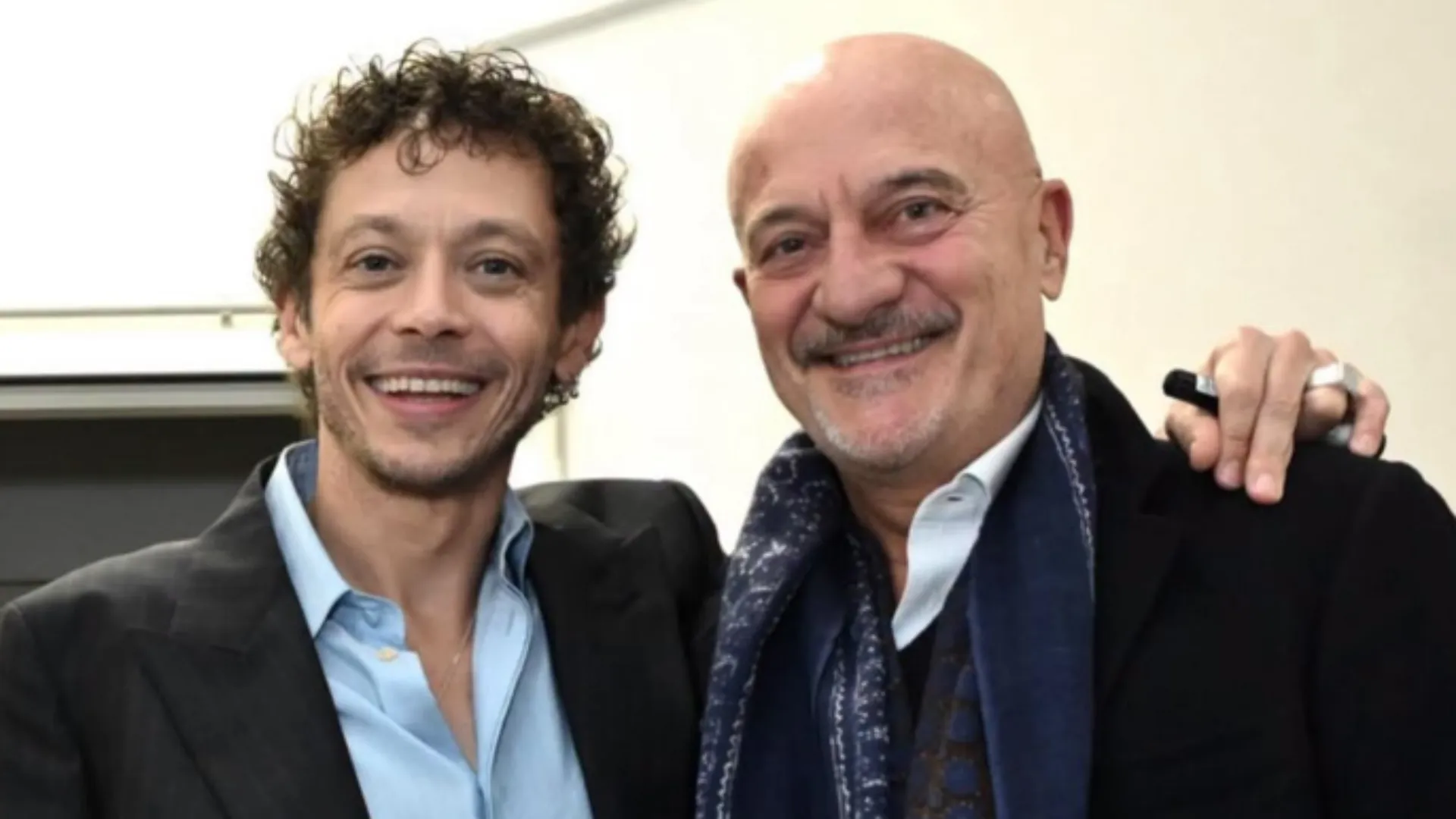
A book, a reading recommendation, and an avalanche of reactions. Claudio Bisio probably never imagined he’d stir up such a storm on social media by recommending La mia storia, Valentino Rossi’s new autobiography, co-written with journalist Giorgio Terruzzi and published by Rizzoli on November 10. Yet his post was enough to transform a space dedicated to reading into a heated debate among fans, detractors, and those nostalgic for the great battles of MotoGP.
The book—480 pages in which the nine-time world champion recounts his life, victories, rivalries, and the most difficult moments of his career—immediately became a battleground. And judging by the comments that appeared under Bisio’s post—many of which were laced with insults (which we won’t repeat here)—Valentino Rossi’s name continues to divide opinion even years after his retirement from motorcycle racing.
“I’ll buy it right away.” Fans defend “The Doctor”
Among the many reactions are those from supporters of the champion from Tavullia, ready to follow Bisio’s suggestion and immerse themselves in memories of their idol.
“I’m going to buy it—I’m really curious to read it, and I’m sure it’ll blow my mind!!!!”, writes Paola Rulli. Some have already bought it, like Cris Tina, who enthusiastically announces, “BOUGHT IT!!!!”, while others have started flipping through it, like Osvaldo Suardi: “I’m reading it now—it’s a pleasure to read!”
Romina Conti is even more engrossed: “I’m reading it and it’s already really drawing me in. I read it while imagining his voice and the way he speaks… it’s just like him!”
For many, however, the issue goes far beyond the book. Valentino Rossi remains the symbol of an era—the rider capable of transforming motorcycle racing into a spectacle followed even by those who knew little or nothing about motorcycles.
Diego Pilati emphasizes this, defending the champion from criticism by recalling how much he contributed to the popularity of MotoGP: “If the World Motorcycle Championship still enjoys mass-market visibility today […] it’s only thanks to him.” And he concludes: “VR46 is MotoGP… even today… years later.”
“Bisio, I didn’t expect this from you.” Criticism of the comedian
But what’s most surprising is the number of users who don’t just take issue with Rossi and his book, but directly take it out on Claudio Bisio for recommending it.
“Now I get why you don’t recommend books, dear Bisio—you’re infinitely better at acting,” writes Michele Nannini.
Paolo Bolandrina echoes this sentiment: “You’re much better on stage than as a literary promoter.”
Some even say they’re disappointed in the comedian. “To think that I used to like you, Bisio. What a nosedive lately,” comments Alice Margaria. And Francesco Ragone adds: “Nooo, Bisio, not you too… no!!!”
Others take the ironic route. “Thanks, but if I want a laugh, I prefer Zelig,” writes Renato Peraldo, while Simone Lussu dismisses the advice with a joke: “No thanks, the tables at home are stable enough.”
There’s no shortage of accusations that he’s promoting the book, either. “That’s a blatant plug,” Maurizio Dapelo cuts to the chase, while Davide Di Lascio comments sarcastically: “In short, a totally selfless piece of advice.”
The Shadow of Márquez and the 2015 World Championship
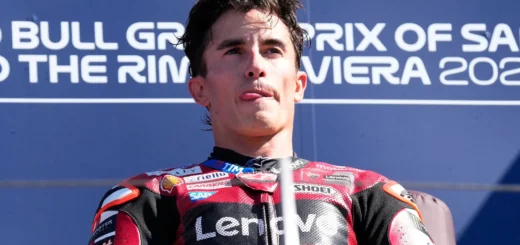
As often happens when talking about Valentino Rossi, the discussion inevitably turns to Marc Márquez and the controversial 2015 World Championship. A chapter that, more than a decade later, continues to fuel controversy among the opposing fan bases.
“But does it talk about Sepang 2015?” Marco Colaiacomo asks provocatively.
Christian Fischetti adds fuel to the fire: “479 pages are about Sepang 2015,” while Paolo Kairós jokes by imagining a book almost entirely dedicated to the Spanish rival.
Several users also link the book’s release to the prospect of Márquez’s tenth world title, using this coincidence as yet another reason to mock Rossi and his supporters.
On the other hand, the Doctor’s fans aren’t standing idly by. Francesco Santo steps in to defend Bisio: “They can’t stand the fact that someone who retired years ago still makes more headlines than their favorite rider.”
The result is a confrontation that, in many cases, strays from the realm of sports, featuring mutual accusations, taunts, and insults. There’s no shortage of references to Rossi’s past tax issues either, which some detractors use to undermine his public image.
There are also those who urge others to read before judging
Amid all this animosity, some try to steer the discussion back toward a more reasonable tone.
“If a good number of those who’ve written comments read books of any kind, they’d be more cultured, more open-minded, and perhaps less quick-tempered,” observes Giampietro Bego.
Valentino Alfano’s reflection is even more nuanced, shifting the focus from the book’s content to the quality of the debate on social media. In his view, the issue isn’t whether or not to appreciate Valentino Rossi, but the inability to express an opinion without turning it into a personal attack.
“You’re not obligated to read a book, you’re not obligated to like someone, and, above all, you’re not obligated to comment on everything,” he writes, calling for a return to moderation and respect.
A call to action that seems to sum up the paradox of the entire affair: a simple cultural suggestion that has become yet another opportunity to reignite old rivalries.
Valentino Rossi Still Divides Opinion, Even Off the Track
The most obvious fact emerging from the reactions is that Valentino Rossi continues to spark debate. Despite his retirement from MotoGP, number 46 remains a figure capable of evoking enthusiasm, nostalgia, antipathy, and controversy.
Some buy the book to relive the excitement of his achievements, others refuse even to consider reading it, and still others seize the opportunity to reignite the debate with Márquez. And caught in the middle is Claudio Bisio, the target of criticism for expressing a literary preference.
Ultimately, the debate speaks above all to the still-unresolved relationship between a segment of the public and one of the most popular figures in the history of motorcycle racing. A champion who continues to be loved and contested with the same intensity as when he was racing.