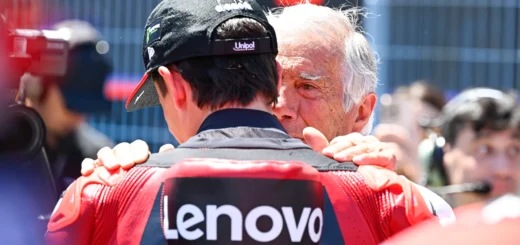
Adriano Panatta net on Jannik Sinner: "It' ungenerous for him"
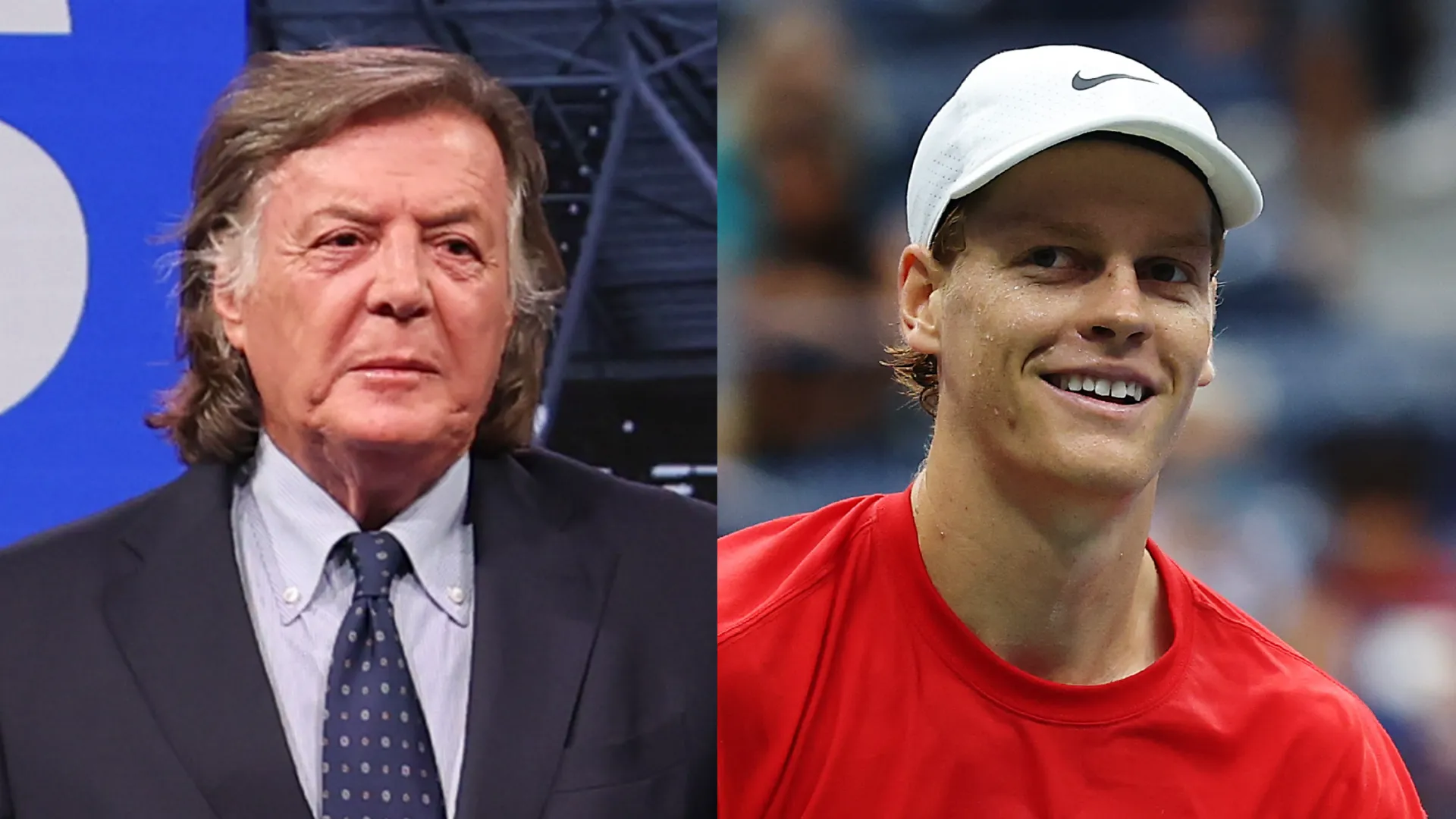
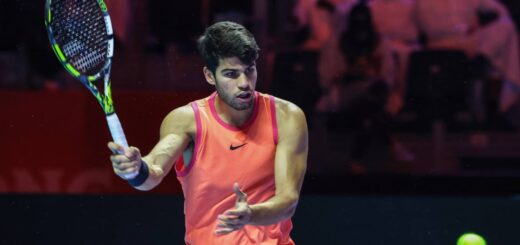
Adriano Panatta in an interview with Corriere della Sera returned to talk about Jannik Sinner and his dominance ahead of the Internazionali d’Italia in Rome, where he arrives as the big favorite. The former Azzurro will have to deliver the winner’s cup, which many believe will be Jannik himself: “I would love to deliver the cup to an Italian. Sinner, Musetti, Cobolli… When Jannik and Alcaraz are on the board, it becomes complicated for the others to beat both of them. I call them the others because, compared to those two phenomena, they play another sport.”
“Sinner? They have to hope he gets indigestion from supplì and mozzarella in carrozza. Even in Paris. However, if Jannik wins, at least let’s get it over with and never talk about my 1976 again.”
On a comparison between Sinner and Alcaraz at 100 percent: “When Alcaraz expresses himself at 100 percent, he beats Sinner because he has a few more inventions. But tennis is not just about peak performance: on average performance, Jannik is superior. I say: forehand Alcaraz, backhand Sinner, serve today Sinner, volley and bunt Alcaraz, moves Alcaraz. But in Monte Carlo, on clay, Sinner won. With those two it’s hard to get off-balance: when you do, you risk being immediately proven wrong. Alcaraz reminds me of Lew Hoad, who for some is the best ever: on a good day, he was unbeatable.”
Between the two there is also a different philosophy of life: “Carlos struck me when he said that, without Ferrero, he can finally make decisions. He obviously suffered him. He traded the risk of a few more defeats for freedom. I am like him. To call Sinner mechanical, though, is ungenerous. I admire his desire to improve himself: every day, he devotes himself to filling in the gaps. That’s rare, believe me: usually you train the things you already know how to do well. Jannik does not.”
“We Sinner see him dedicated, planned, precise. He has to be happy to be like that. Otherwise he would be a saint, or a martyr. Alcaraz, on the other hand, in Monte Carlo I saw him impatient. Ferrero had thought for Carlos perfection but it was tight on him and he rebelled. Was Borg happy when he won on repeat in Paris and Wimbledon? Boh. I know he quit at 26.”