Jannik Sinner, discussion remains heated after Massimo Gramellini's outspoken intervention
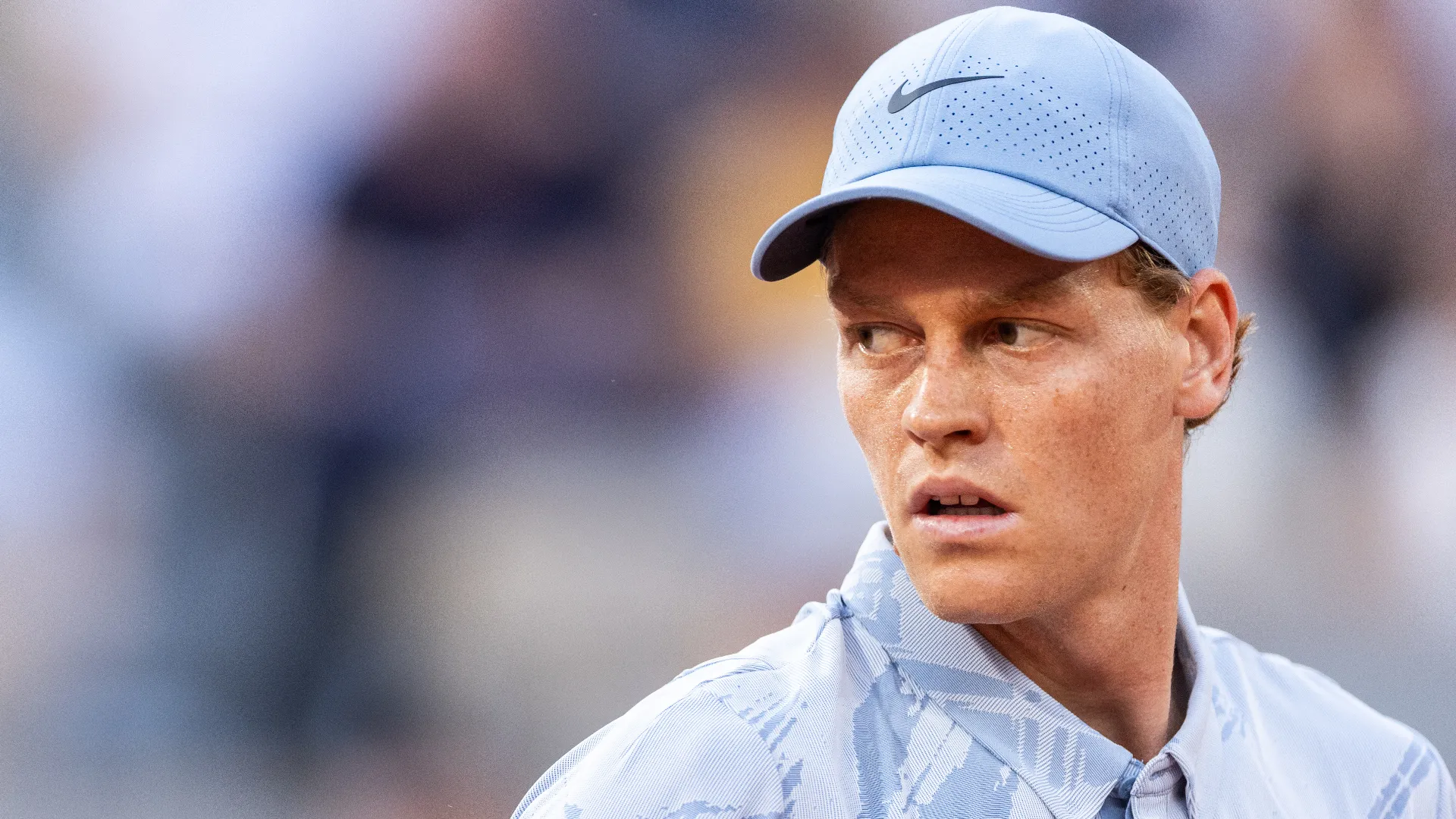
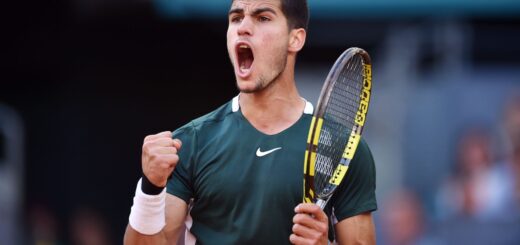
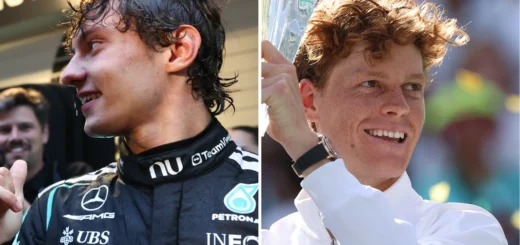
Even forty-eight hours later, what happened to Jannik Sinner in the second round of Roland Garros continues to cause discussion, with his physical collapse just one game from victory and the nightmare of elimination materializing about an hour later. In particular, Massimo Gramellini’s remarks in the column that the journalist and writer periodically edits in Corriere della Sera have made noise: some of his sentences, in fact, have triggered the reactions of the Azzurro’s fans.
“Like the heroes of epic and tragedy, Jannik Sinner is a living paradox: in him power and precariousness coexist,” wrote Gramellini. “If he were an F1 bolide, we would say that he has been given an engine of disproportionate displacement compared to the chassis. He consumes more than the others, and that is perhaps why he suddenly runs out of gas every now and then. But who is a hero? A creature without weaknesses? No, that is a god. The hero is by nature imperfect. He has a wound inside him that never heals and can bleed suddenly.”
“Usually a champion stops within a game of victory just because he breaks an elbow or a knee. Sinner, on the other hand, because he breaks something inside. This mysterious and inscrutable fragility, while worrisome, adds to the charm of our puny bomber’s epic. And that he nevertheless remains on the field, drinking the bitter cup to the bottom, makes him even more complete. Not invincible, but unattainable.”
On social media, however, many fans deemed Gramellini’s words excessive. According to this part of the public, Sinner’s collapse would simply be an event that can happen to anyone, and many reminded how tennis is a wearisome sport, which is often played in extreme weather conditions, and that attributing the incident to an alleged inner fragility would be a forced reading.
On the other hand, there was no shortage of comments from those who consider the mental aspect important, especially when competing at the highest level under high temperatures. According to this view, Sinner, like all players aiming to remain permanently at the top, will also have to learn to handle the psychological component associated with extreme heat, a factor that is increasingly common in modern tennis. This is not to question his soundness, they argue, but to recognize that the climatic context can affect him at key moments.