2026 World Cup: Now Even Barcelona Is Criticizing Lionel Messi
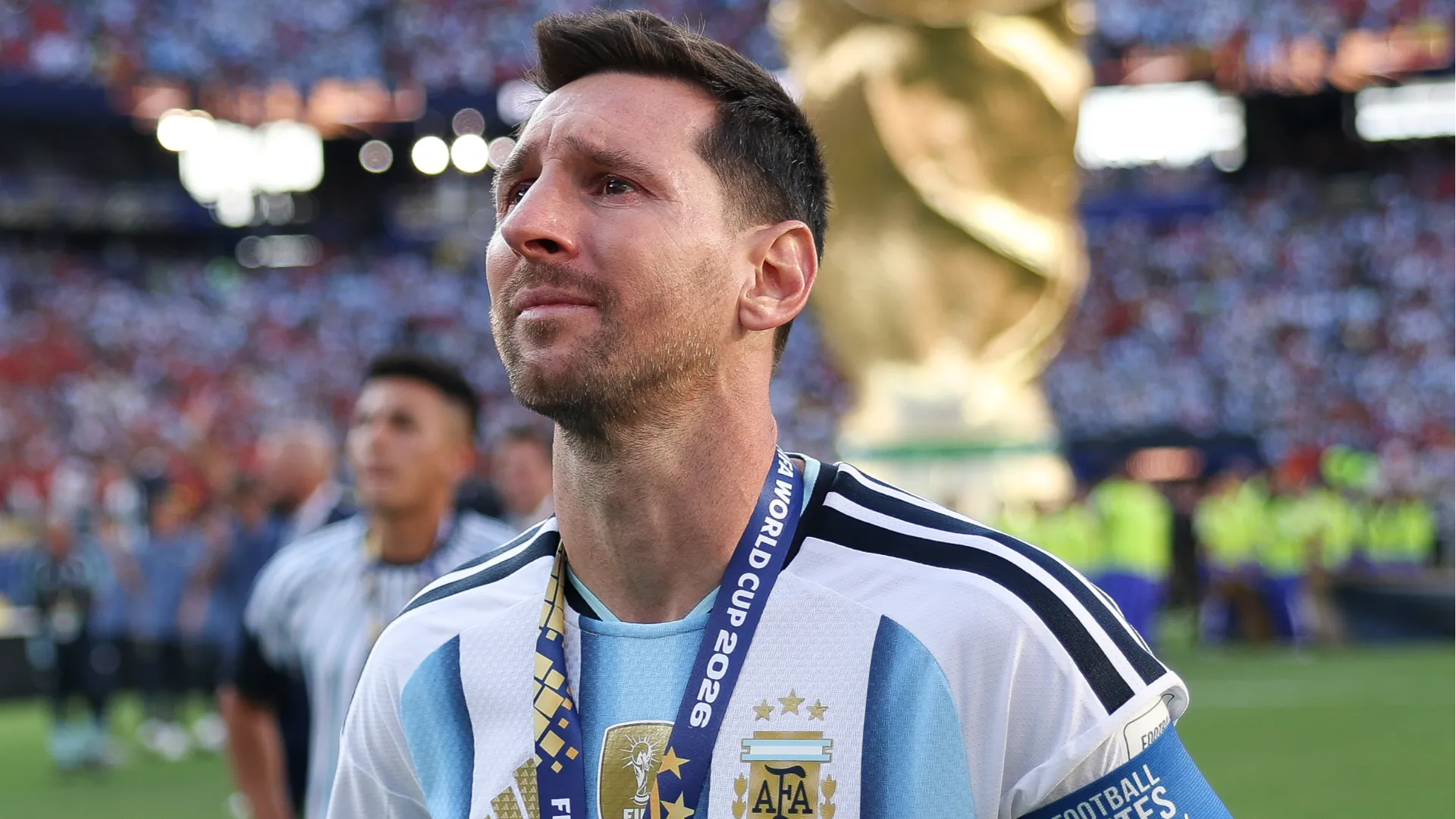
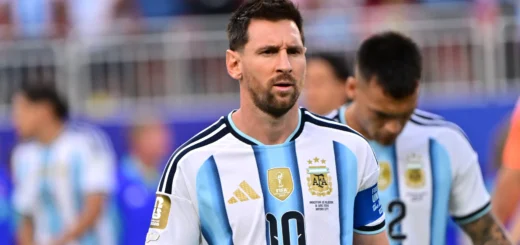
The fallout from Argentina’s defeat in the 2026 World Cup final still shows no signs of dying down. Among those who have found themselves in the eye of the storm more than anyone else—aside from the extremely agitated Leandro Paredes—is Lionel Messi. Meanwhile, he has even come under fire from those who, for much of his career, have extolled his talent, class, and the endless trophy case he built with Barcelona.
Those days, however, now seem to be a thing of the past, so much so that *Mundo Deportivo* has singled out Messi as one of the main culprits behind Argentina’s well-deserved loss to Spain. The Catalan daily claims that the Albiceleste captain addressed his teammates before the big match in New York with too much timidity for such an occasion. A speech to the team before the World Cup final, yet lacking in intensity or emotional charge: that is the accusation. And in Barcelona, they also claim that the No. 10’s lack of charisma was evident in the final moments of the match as well, with his failure to intervene during Paredes’s outburst.
Indirect confirmation of Messi’s lack of inspiration in motivating his teammates came from Carlos, the father of midfielder Alexis Mac Allister. “That video raised a lot of questions,” he admitted in an interview with ‘Radio La Red’. “There were no motivational speeches; my son confirmed to me that before taking the field, they only talked about technique, passing, triangles, and plays. They didn’t want to just kick the ball forward, but then we faced a Spanish team that was superior to us and deserved to win.”
After all, Argentina’s performance on the night at MetLife Stadium left little room for interpretation. In the 90 minutes of regulation time, Scaloni’s Selección had recorded a statistic as telling as it was merciless: 0 total shots, 0 shots on goal. A performance captured live by Daniele Adani on ‘Rai 1,’ exactly at the 90-minute mark: “It’s a bad game, and Argentina is making it even worse. They never, ever got back into it.” Even Messi had been on the sidelines for a long time, touching the ball for the first time only in the 16th minute, when he was fouled by Alex Baena. This lackluster performance also had a significant impact on the race for the top of the scoring charts: Kylian Mbappé thus cemented his position as the tournament’s top scorer with 10 goals, two more than Argentina’s No. 10.
Yet, despite the criticism, Messi chose not to hide. The Albiceleste captain posted a message that perfectly captures his state of mind—a mix of pain, pride, and acceptance: “The pain is immense, and it will take time for this wound to heal. But I’m also holding on to all the good things… the matches we turned around by giving it our all and that will remain in our memories forever, the support of an entire country that, together with the hard work and effort of this team, has led us to be, once again, among the best in the world. Today it’s hard to fully appreciate what we’ve accomplished, but this team has reached two consecutive World Cup finals.” Words that do not hide the pain, but that nonetheless celebrate the journey of a team capable of a historic feat, with Messi becoming the first player to start in three World Cup finals, reaching 125 goals in the national team jersey.
Meanwhile, Messi’s future with the Albiceleste remains shrouded in uncertainty. Head coach Lionel Scaloni, who had declared after the final that Messi “is the best soccer player to ever set foot on a field,” admitted that he has not yet had the chance to speak with him about a possible continuation with the national team. “La Pulga,” along with the rest of the Argentine players, did not stop to speak with reporters as they left MetLife Stadium, leaving open a mystery that has an entire nation on the edge of its seat.
Further complicating the picture are the possible disciplinary consequences related to the behavior of some members of the Albiceleste. FIFA has opened an investigation into the post-match brawl involving Paredes, which also drew in Roberto Ayala, a member of Scaloni’s staff, who struck Barcelona player Dani Olmo before being restrained. Ayala later expressed his regret: “My intention was simply to go in and separate the players, nothing more. But emotions and impulses sometimes get the better of you—though that’s something that shouldn’t happen to me given the position I hold.” Enzo Fernández, who was sent off in the 94th minute of regulation time, also faces a lengthy suspension for his heated protests following the red card, while an investigation is still pending regarding the “Las Malvinas son argentinas” banner displayed by Cristian Romero, Giovani Lo Celso, and Lisandro Martínez after the semifinal against England. In short, this is an Argentina that must come to terms not only with the pain of defeat but also with the consequences of a night that showed the world its worst side.