Jannik Sinner’s Withdrawal Shakes Up the ATP: The Possible Development Fuels the Debate
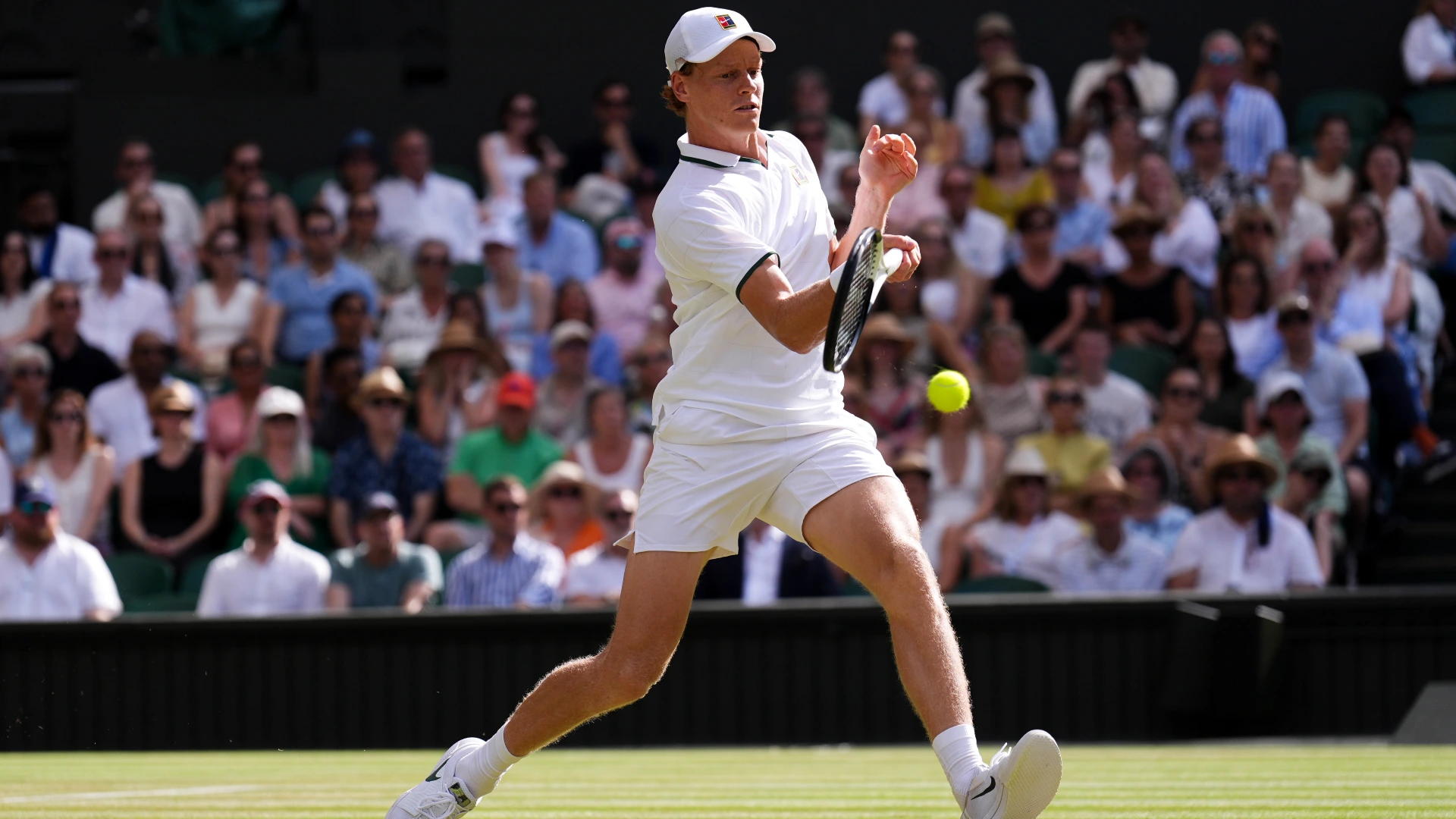
Jannik Sinner’s withdrawal from the Montreal Masters 1000 comes just a few days before the draw, and while it wasn’t entirely unexpected, it carries enormous significance. The world No. 1 has thus given up the (albeit very difficult) chance to complete the Masters 1000 sweep in a single calendar year, after winning the first five events of 2026, but his decision underscores just how crucial calendar management has become for top players. This development inevitably reignites the debate within the ATP.
To continue his pursuit of the record, Sinner would have had to play twelve matches in twenty days between Montreal and Cincinnati, with an immediate transition from one tournament to the next and, in effect, zero time to recover. Such a grueling schedule, coming right after Wimbledon, would have put the Puster Valley native’s physical and mental stamina at risk. His team, on the other hand, had already hinted at this: the priority was to take a break, recover, and calmly assess the summer resurgence. The decision to skip Canada aligns perfectly with this approach.
The Sinner situation is part of a broader context. For some time now, the ATP has been considering the impact of the schedules and strategic withdrawals, which effectively weaken top-tier tournaments. For the second consecutive year, Montreal is losing three of its main draws: Sinner and Djokovic due to withdrawals, and Alcaraz due to an injury from which he is slowly recovering. The problem isn’t limited to Canada: the new 12-day tournament model, designed to increase revenue and prize money, risks further clashing with the needs of the top players.
The internal discussion within the ATP is shifting toward a more selective approach: fewer tournaments, but ones that are more sustainable for the top players. This is a position that Novak Djokovic, for example, has repeatedly advocated, arguing for the need to give the best players the opportunity to take longer breaks and avoid grueling schedules like the five Masters 1000 tournaments between March and early May and the back-to-back Montreal‑Cincinnati back-to-back tournaments right before the U.S. Open.
For Montreal, the absence of the circuit’s three leading stars is a major blow. The tournament aims to surpass the 300,000 total spectator mark, but without the big names that drive ticket sales, the challenge becomes more complex. The director of the Montreal tournament, former Canadian tennis player Valerie Tetreault, had made it clear: the 12-day model must work to ensure economic growth and prize money parity. Without the top players, however, the system risks grinding to a halt.
Although there is no formal proposal on the ATP’s table yet, there are already signs of change on the horizon: the idea is for a more streamlined calendar, with fewer obligations and a more balanced distribution of the Masters 1000 events—a calendar overhaul that could become a key area of focus in the coming months. This is no small matter, stemming precisely from the withdrawals of top players—such as Sinner’s in Montreal—and the need to preserve the quality, not just the quantity, of top-level tennis.