Julio Velasco: An Appeal to Federica Brignone and a Very Moving Reference
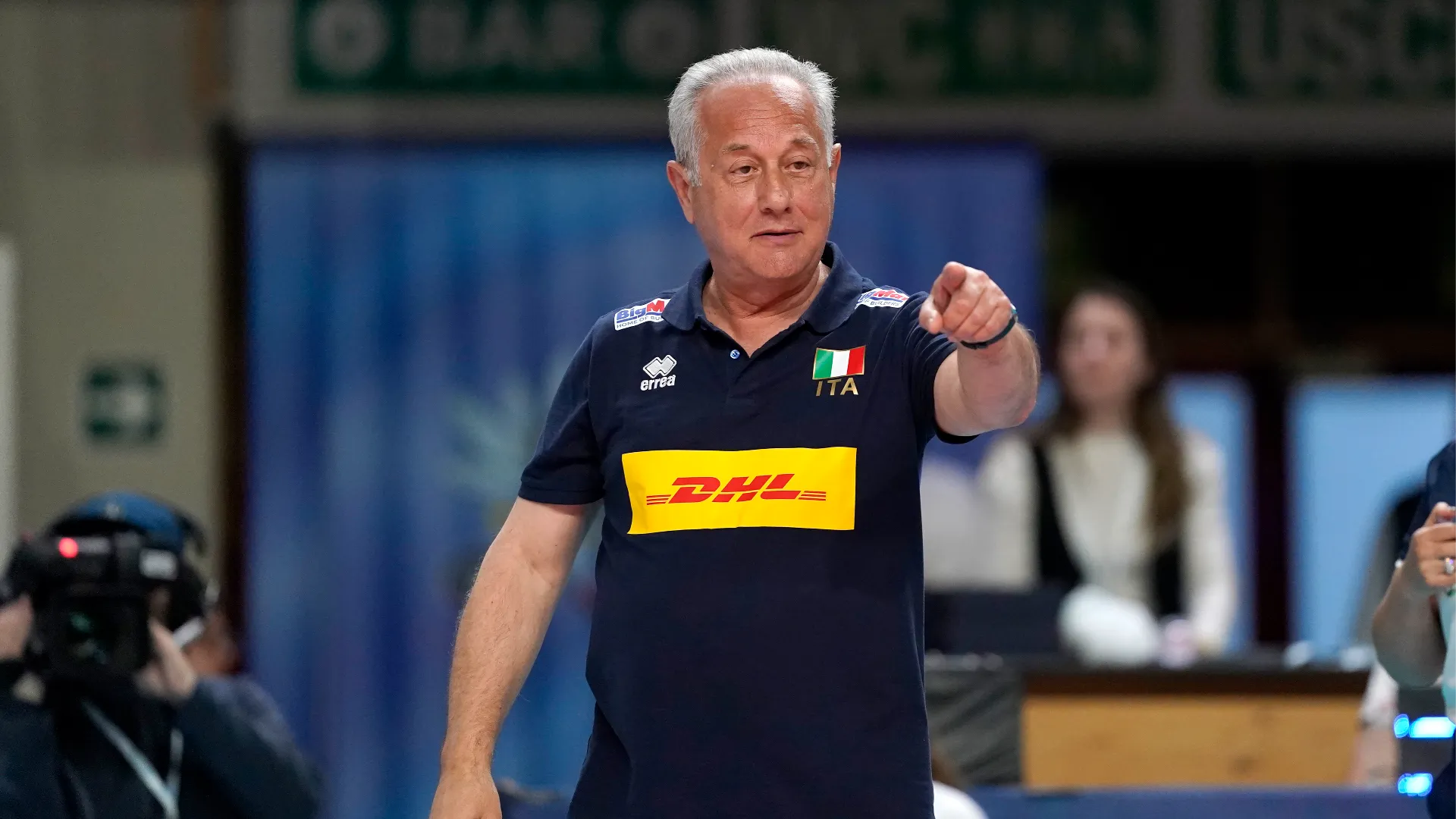
“I’d like my players to meet Federica Brignone—even better if they’re on the national team: her ability to push past her limits is an inspiration. Women often have greater strength than men. It was the mothers, not the fathers, who marched in Plaza de Mayo.” These words were spoken in Trento at an event organized by *La Gazzetta dello Sport* by Julio Velasco, head coach of the Italian women’s national volleyball team: his reference to the Argentine mothers of the *desaparecidos* was particularly poignant, given that the coach’s younger brother, Luis, was abducted by the military in 1977 and released after two and a half months of torture.
The reference to Brignone is no coincidence: the skier from Valle d’Aosta is undergoing rehabilitation following surgery on her left leg that marked her summer. Just recently, the Italian champion said she feels “much better,” with the goal of returning to the slopes in November and arriving at the upcoming World Championships “in the best possible condition.” It’s a story of resilience and determination that clearly did not escape the keen eye of Velasco, who is always on the lookout for role models capable of inspiring his athletes.
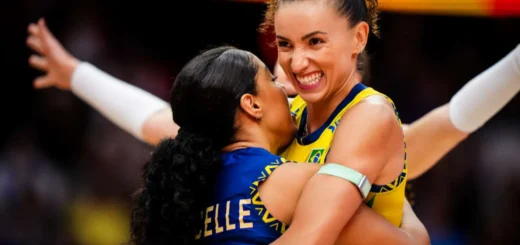
The Argentine coach, who also spoke to Corriere del Trentino, took the opportunity to reflect more broadly on the concept of invincibility in sports: “Honestly, I’m not a big fan of it, because sports, by their very nature, create myths, and we shouldn’t go overboard in emphasizing that. No one is invincible, and I believe that for young people in particular, invincibility isn’t a good aspiration.” This warning also serves as a reflection on the recent defeat of the Italian women’s volleyball team in the European Championship final, where the Azzurre—reigning Olympic and world champions—lost to Daniele Santarelli’s Turkish team 3-2 in Istanbul last September.
Velasco then offered a balanced take on the Italian public’s reaction to the European defeat: “The fans took it with more common sense; people are learning to understand that games can be lost. And I think this is due to the fact that there are more and more people playing the sport, not just fans. When you play sports, at any level, you understand that sometimes a game can go wrong even when you give it your all.” These words reflect a growing maturity in Italian sports culture, to which Velasco has contributed significantly through his work with the women’s national team.
The Argentine coach’s intellectual versatility had, in fact, already become apparent last year, when he accepted an invitation from Italian national rugby team head coach Gonzalo Quesada to spend a day working with the men’s national rugby team in Verona. On that occasion, Velasco shared his philosophy on team management: “The first thing is that we have to convince the players: they do everything on the field. If we can’t convince them, things won’t work.” A universal principle that, evidently, Velasco applies with the same consistency both in the gym and in arenas across Europe.