Jannik Sinner: Is His Career on the Line? An Expert Dispels the Fears
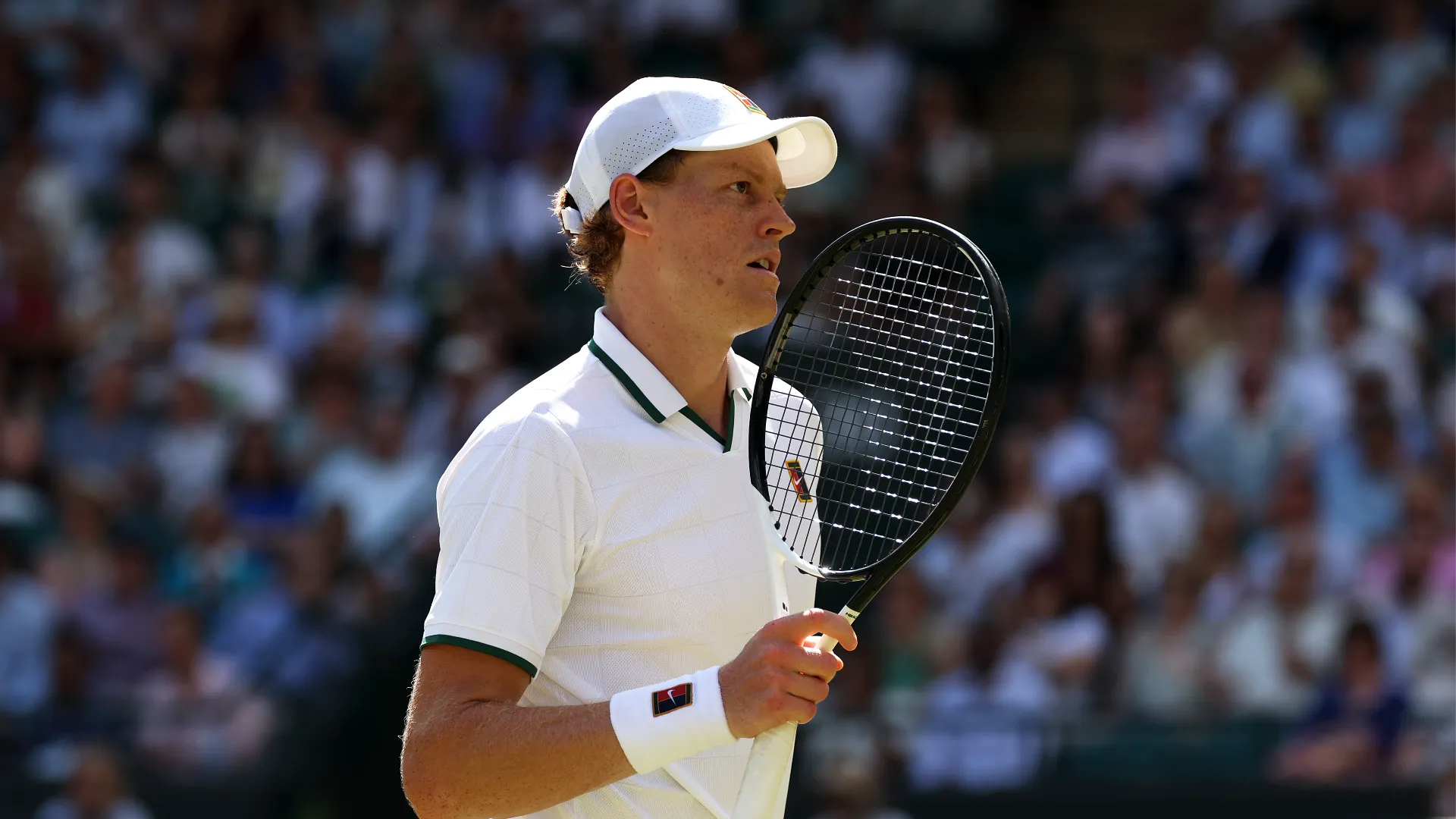
Jannik Sinner’s hiatus until 2027 has fans worried: his knee injury has proven more persistent than expected, and the Italian player—who has been sidelined since the Wimbledon final—has decided to sit out the rest of the year to ensure a full recovery ahead of the upcoming Grand Slam in Australia.
Many fear for the Italian champion’s career, but according to Dr. Fabrizio Tencone, director of the Isokinetic Center in Turin, the problem shouldn’t be that serious. “If it had been something very serious—a fracture or damage—the orthopedist would certainly have opted for surgery. The fact that conservative treatment is being discussed confirms that the injury is minor,” he told *La Gazzetta dello Sport*.
“If this ligament strain is confirmed, we’re talking about a problem that will in no way compromise his career. When it comes to tendons, recovery times are always medium to long. It will take no less than 12 weeks to see any results,” the doctor continued. Rest alone won’t be enough, however; regaining muscle strength is also essential: “The treatment for tendinopathy is regaining strength. The key is strengthening. He has a highly qualified staff. It will take work and time, but in the end, he’ll be healthy and competitive again.”
Sky Sport shed light on the nature of the injury, reconstructing what happened over the past few weeks. At the end of his post-Wimbledon break, Sinner was plagued by extra-articular tendinopathy on the outer side of his right knee: this is iliotibial band syndrome, an overuse injury typical of those who perform repetitive movements. The acute and intermittent pain prompted the South Tyrolean to seek several medical consultations, the last and most important of which took place in Lyon with Professor Sonnery-Cottet, one of the world’s leading experts in knee care. The conclusion was unanimous: no surgery, but conservative treatment that is incompatible with high-intensity training. The medical staff’s main concern, therefore, is not the surgery itself, but rather the risk of recurrence, chronicity, or future calcification that could make surgery unavoidable down the line.