1974 World Cup: Congo (then Zaire) Concedes Nine Goals to Yugoslavia
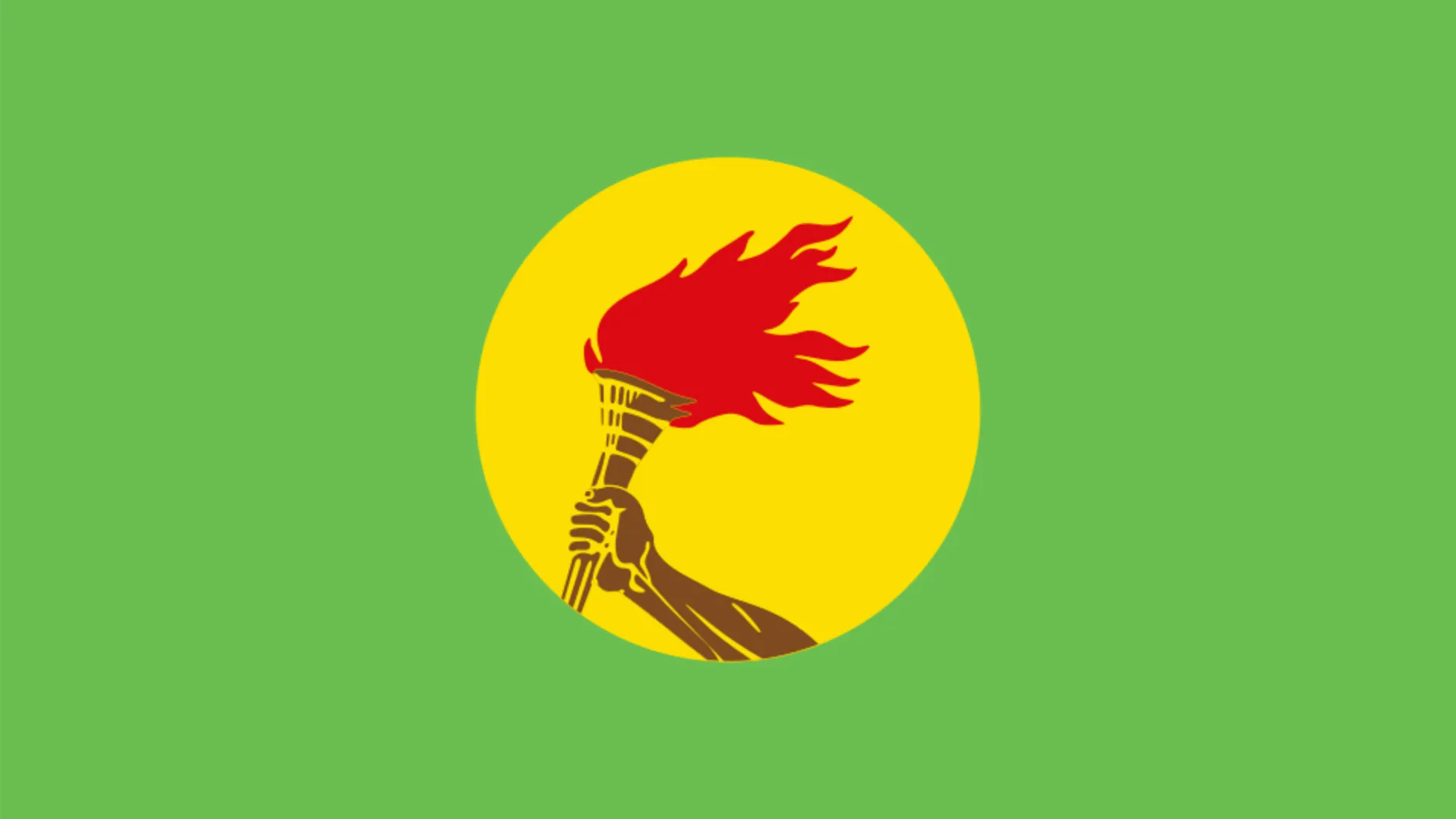
In 1974, Zaire (now the Democratic Republic of the Congo) managed to win over the hearts of fans at the World Cup, so much so that the German press named it the most popular team of the tournament following a fan survey. Considered a mere underdog going into the tournament, the African team exceeded expectations right from its opening match, showing dignity and a fighting spirit despite the loss. Ahead of the Yugoslavia-Zaire match, the African team’s head coach, Vidinic (a Yugoslav), expressed satisfaction with his players’ performance and was convinced that the team could do even better than they had against Scotland. The coach emphasized the need for greater tactical discipline but did not seem concerned about the condition of the field, which was different from what his players were used to.
On the other side, Miljanic came into the match buoyed by the praise he had received following the excellent performance against Brazil, but he feared his team might feel they had already made it. Some of his decisions sparked debate, particularly the omission of Muzinic in favor of Surjak and the return of Dzajic, who had been criticized by some in the football community for his confrontational nature. The coach defended his decisions, explaining that Surjak provided greater consistency and that Dzajic needed to regain his match fitness after a season disrupted by military service. Despite this, he hinted that for some players, the match against Zaire represented a sort of decisive test.
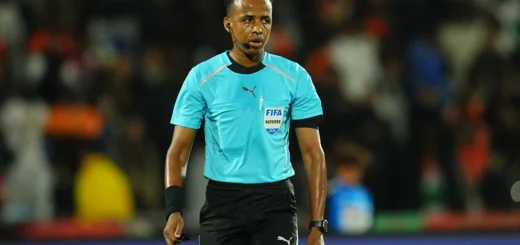
With the opening whistle from Colombian referee Delgado, however, all controversy took a back seat. Yugoslavia took the field with great determination and immediately took control of the match. Leading the charge was Oblak, the master of the midfield and a focal point for the entire team. Zairean goalkeeper Kazadi was immediately called upon to make several difficult saves, while Bajevic proved to be the most dangerous of the Yugoslav forwards.
The European side’s dominance quickly translated into goals: Bajevic opened the scoring in the 7th minute, followed by Dzajic in the 13th and Surjak in the 17th. Shortly after, Katalinski also scored, bringing the score to 4–0. Yugoslavia’s technical and tactical superiority was evident, and Zaire, disoriented, was unable to contain their opponents’ fluid and organized play.
The situation worsened further when N’Dayne, convinced that the fourth goal had come from an offside position, protested vehemently and was sent off. Down a man, the Africans could do nothing but watch as Yugoslavia extended its lead even further, with Bajevic scoring twice more, along with goals from Bogicevic, Oblak, and Petkovic.
In the closing minutes, Miljanic’s team managed their lead with class, moving the ball around without humiliating their opponents or resorting to unnecessary provocation. Zaire at least attempted to score a consolation goal with a few long-range shots, but without posing any real threat to Maric. The match thus ended with a clear Yugoslav victory, the result of a commanding performance and a technical disparity that was evident throughout.