2026 World Cup, Infantino in Trump-style: “I’ve united the world; those who criticize me just hate me”
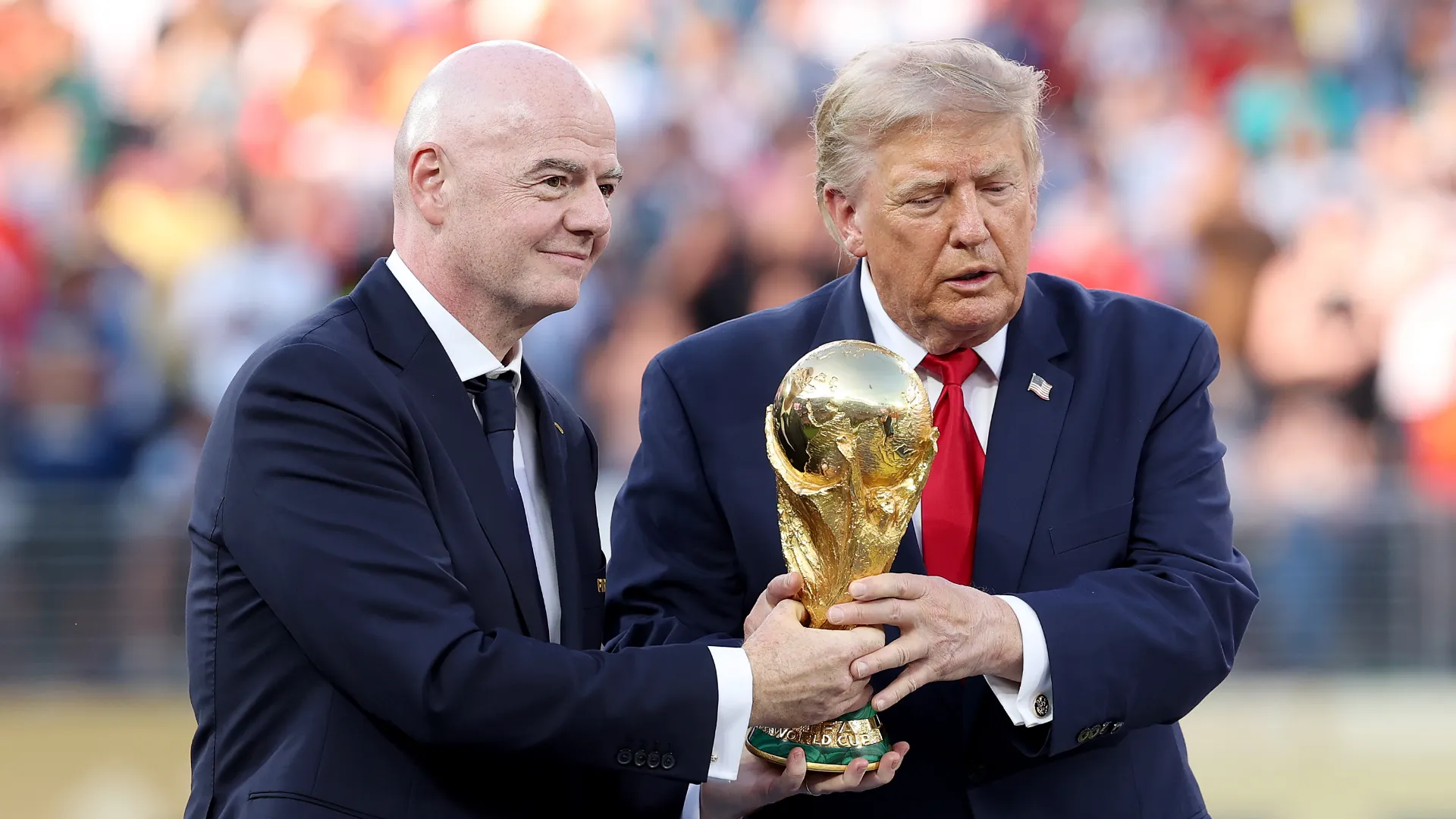
FIFA President Gianni Infantino responds to the criticism he faced during the World Cup by toasting himself in a message posted on social media: “To all those who missed out on our beautiful sport, the emotions, the celebrations, the laughter, the tears, the cheers, and the joy. To all of you who missed the chance to see children, babies, grandparents, and parents come together for this wonderful event, I apologize because the matches are over, and I’m sorry you missed all that joy and togetherness.”
“I’m sorry that you were so overwhelmed by hatred and criticism that you missed it all. To those who, from behind their pens and papers, behind their screens, spread hate and false rumors, I want to say that while you sit in the second row, we at FIFA are on the front lines organizing, working hard, and delivering the best show in the world. While you hide, we’re exploring the streets of Canada, Mexico, and the United States, talking to fans, interacting with people, and ensuring everyone’s safety. While you divide, we unite.”
Infantino celebrated Iran’s participation in the World Cup. The Tehran national team had complained about discriminatory treatment during the World Cup: “While you were sowing hatred, we were working tirelessly to unite two countries at war. Iran entered the United States without incident or conflict. When the Iranian team took the field, all the chants against them turned into a single anthem. The fans became the country, they became the team, and they supported Team Melli. This is the power of soccer. The Iranian team obtained visas to enter because soccer is synonymous with peace. Not of politics. Soccer is synonymous with unity, not division. Soccer is greater than hatred and discrimination.”
The case of Balogun, the U.S. forward whose suspension was incredibly rescinded, is dismissed as follows: “In fact, ‘questionable’ refereeing decisions or ‘strange’ disciplinary measures—such as potentially erroneous red or yellow cards, or subsequent decisions not to suspend players in certain situations—are common practice and widely accepted in some of the world’s most important leagues. To the pens and the paper, to all the screens, may you find love and peace where the people behind you have failed to find them. May you find peace; we at FIFA have found ours, and we’re spreading it by delivering the most extraordinary World Cup ever. May soccer rise above all hatred.”
Aleksander Ceferin, UEFA president, boycotted the final at MetLife Stadium as a sign of open defiance against FIFA’s management of the tournament, confirming a complete break with Infantino, of whom he is also formally the vice president. UEFA had already issued a scathing statement calling the lifting of Balogun’s suspension “an unprecedented, incomprehensible, and unjustifiable decision,” accusing the world governing body of having “crossed a red line.”
Tensions between the two leading institutions in world soccer are not limited to the Balogun case. Ceferin firmly opposes the idea of expanding the World Cup from 48 to 64 teams, a possibility already floated by Infantino himself and previewed by CONMEBOL President Alejandro Dominguez ahead of the 2030 edition. The UEFA president has also criticized ticket prices deemed prohibitive and refused to adopt some of the new rules introduced by FIFA, such as a red card for players who cover their mouths during an argument or who leave the field in protest. This situation makes Infantino’s self-congratulatory remarks even harder for Frankfurt to swallow.