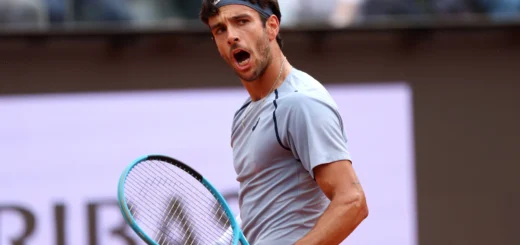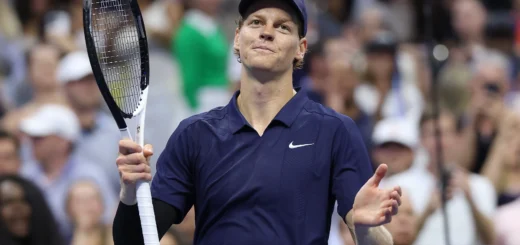
The tennis world is in an uproar following Carlos Alcaraz’s warning: the debate also involves Jannik Sinner
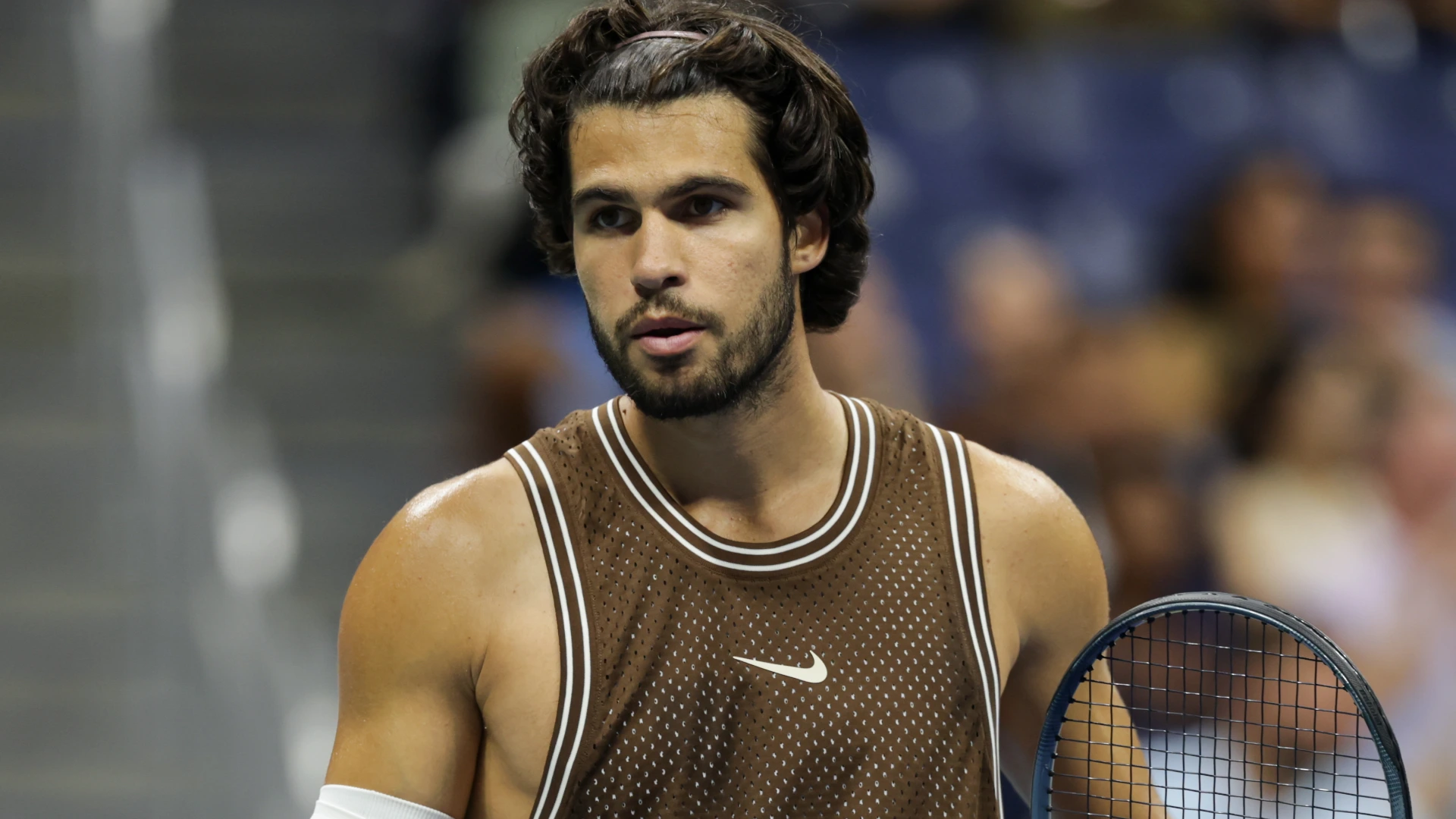
The four-set victory over Jaime Faria could have been just another step along Carlos Alcaraz’s journey at the 2026 U.S. Open. Instead, the Spanish champion’s post-match press conference shook up the entire tour and continues to spark debate even a day later. The Murcian’s direct and unfiltered words have reignited the debate on a hot-button issue: Is modern tennis asking too much of its players?
“I don’t want to be forced to stop because of an injury anymore; I’ll be taking longer breaks in the future,” Alcaraz declared. “I won’t be out for four months, but I will take one or two, even if it means skipping some major tournaments. It’s impossible to be on the court all the time.” The number of tournaments has increased, and with it, the pressure: “Between the Masters 1000, Grand Slams, and obligations imposed by the ATP, a top-ranked player is expected to play forty weeks a year. We need more time for recovery and planning, also to prevent injuries.”
“They’re pushing us to play more and more; every year there are new major tournaments,” he added. “You can choose to skip a few events, it’s true, but the way the calendar is set up, it forces you to keep playing. That’s impossible.” The issue has become even more urgent when looking at the list of absentees from the 2026 U.S. Open: Jannik Sinner first and foremost, followed by Jack Draper, Holger Rune, and Joao Fonseca, among the sport’s other leading players. This is a situation that Alcaraz wanted to strongly emphasize.
Sinner’s absence, in particular, has amplified the debate: the Italian is one of the symbols of the new generation, an athlete who has built his rise on relentless hard work and consistency. His withdrawal, which came at a pivotal moment in the season, has become a perfect example of what Alcaraz aims to highlight. “There are so many players who get injured or arrive at tournaments completely exhausted. If nothing is done, we’ll see more and more of this in the future,” said the Murcia native.
Carlos Alcaraz’s words are therefore not merely a venting of frustration: they serve as a wake-up call for a system that risks wearing down its brightest talents. The discussion is ongoing and involves executives, coaches, trainers, and players, as well as the countless fans of a sport whose popularity is constantly growing.