National Team: Mario Balotelli Is Back in the Spotlight at Coverciano; Fans Are Surprised
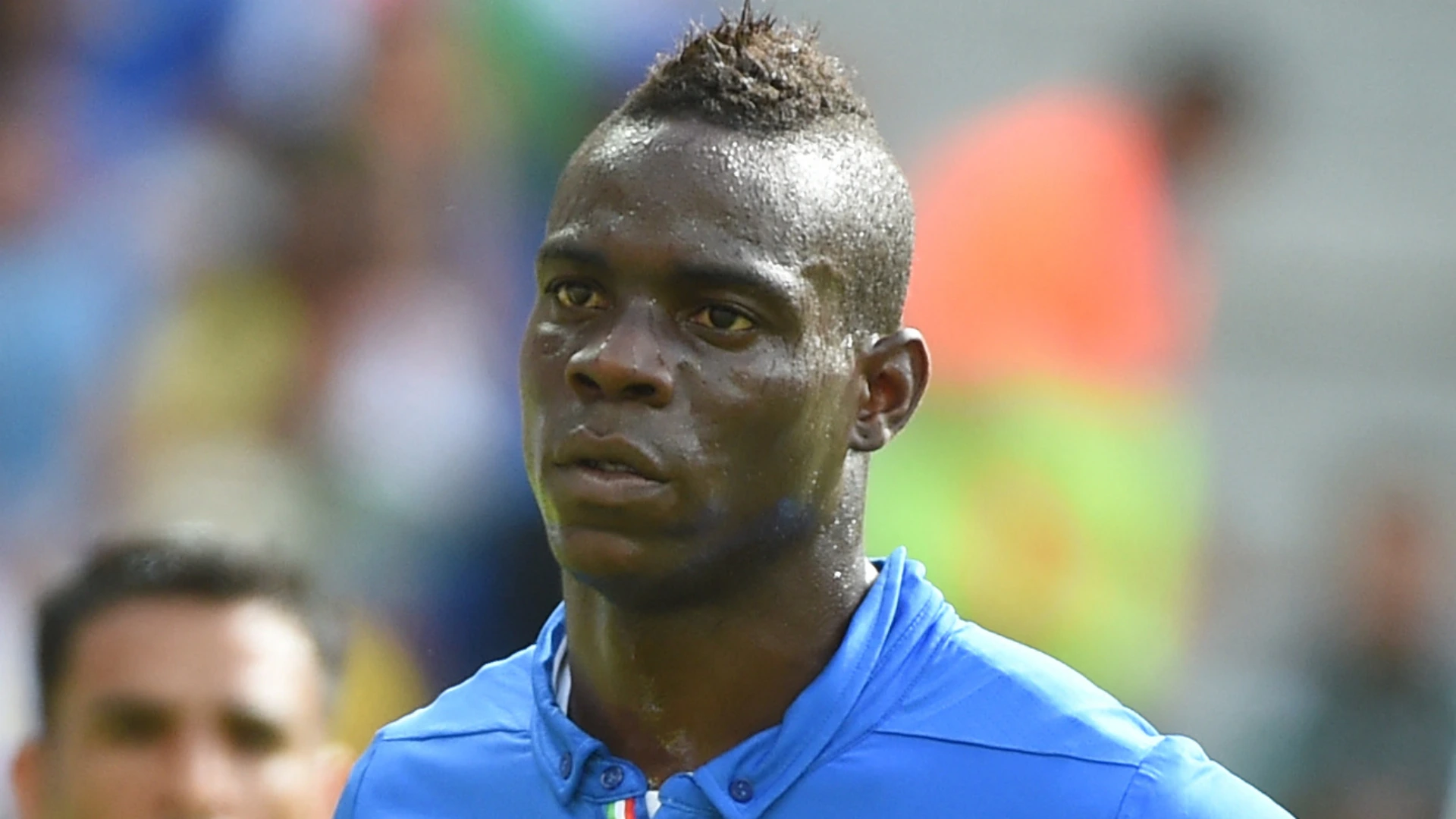
In Coverciano, Mario Balotelli’s name has suddenly and unexpectedly returned to the center of the conversation—not because of a last-minute call-up, but because he is the idol of one of the national team’s new faces. The name of the quintessential “bad boy” of 21st-century Italian soccer was mentioned by Alphadjo Cisse, who told reporters that the former Azzurri forward has been his role model since childhood. This choice surprised many fans, given Balotelli’s own career, which has been full of ups and downs.
“I like feeling the pressure; I’m someone who performs better under pressure,” said Cisse, one of the standout players on the Milan squad coached by Ruben Amorim. “I’m happy to be on the national team; I don’t care what position I’m played in, even though I do have a favorite role. My idol on the Azzurri? Definitely Balotelli—he’s always been a role model for me when it comes to the national team.”
The young forward’s words thus bring back into the spotlight a figure who remains one of the most talked-about in Italian soccer. Balotelli has worn the Azzurri jersey 36 times, scoring 14 goals, but his soccer career—which, incidentally, is still ongoing in the United Arab Emirates’ second division with Al-Ittifaq—has also been marked by incidents of indiscipline, impulsive outbursts, and strained relationships with coaches and teammates.
His most famous moment in an Azzurri jersey, however, remains the 2012 European Championship, when his two-goal performance in the semifinal against Germany (highlighted by an iconic shirtless celebration) propelled Italy to the final. That evening in Warsaw, Balotelli seemed to encapsulate all his contradictions in a single match: pure talent, an unconventional personality, and the ability to single-handedly decide games.
After the European Championship, however, his relationship with the national team became strained. Coaching decisions, controversies, and certain on-field behaviors contributed to his appearances for the Azzurri becoming increasingly sporadic, ultimately bringing to a close a chapter that remains a subject of debate among those who have defended his talent and those who have criticized his lack of consistency.
That’s why the idol chosen by Cisse raised some eyebrows among a segment of the fan base, who might have expected a more “conventional” role model. And that’s exactly what came out of the same press conference from the other protagonist, Mattia Liberali: the young Como player, also called up to the national team for the first time, named Francesco Totti as his role model.
Two different choices, then, that reflect two ways of understanding Italian soccer: on one hand, the erratic and unpredictable genius of Balotelli; on the other, the elegance, loyalty, and longevity of Totti. Cisse, meanwhile, isn’t letting the controversy distract him and is looking ahead to the match against France: “Qualifying for the next round of the Nations League? For Italy, that has to be the standard goal.”