Italy’s repechage to World Cup, surprising new speculation infuriates two other suitors
The Ebola epidemic currently affecting the Democratic Republic of Congo, also encroaching on Uganda, could have such collateral consequences as to call into question the 2026 World Cup participation of the Congolese national team, which qualified on the field through the international playoffs last March.
The health situation is evolving and the White House has imposed a very strict condition: the entire delegation must remain in a three-week “bubble” in Belgium, where it is currently located, before it can enter the United States. A measure that, if adhered to to the letter, would result in the Congo arriving in North America practically close to the first match, set for June 17 against Portugal, with logistical and sanitary times that would make adequate preparation very difficult.
FIFA, which by rule has the final say on any changes to the format or composition of the tournament, is considering all options. After the stabilization of the Iran case, which had already stirred the waters in recent weeks, it is now Congo’s position that holds the entire World Cup ecosystem in suspense. The hypothesis of repechage, with Italy in the front row thanks to its ranking, remains on the table, but in the last few hours an even more extreme possibility has emerged, capable of radically changing the reading of the tournament.
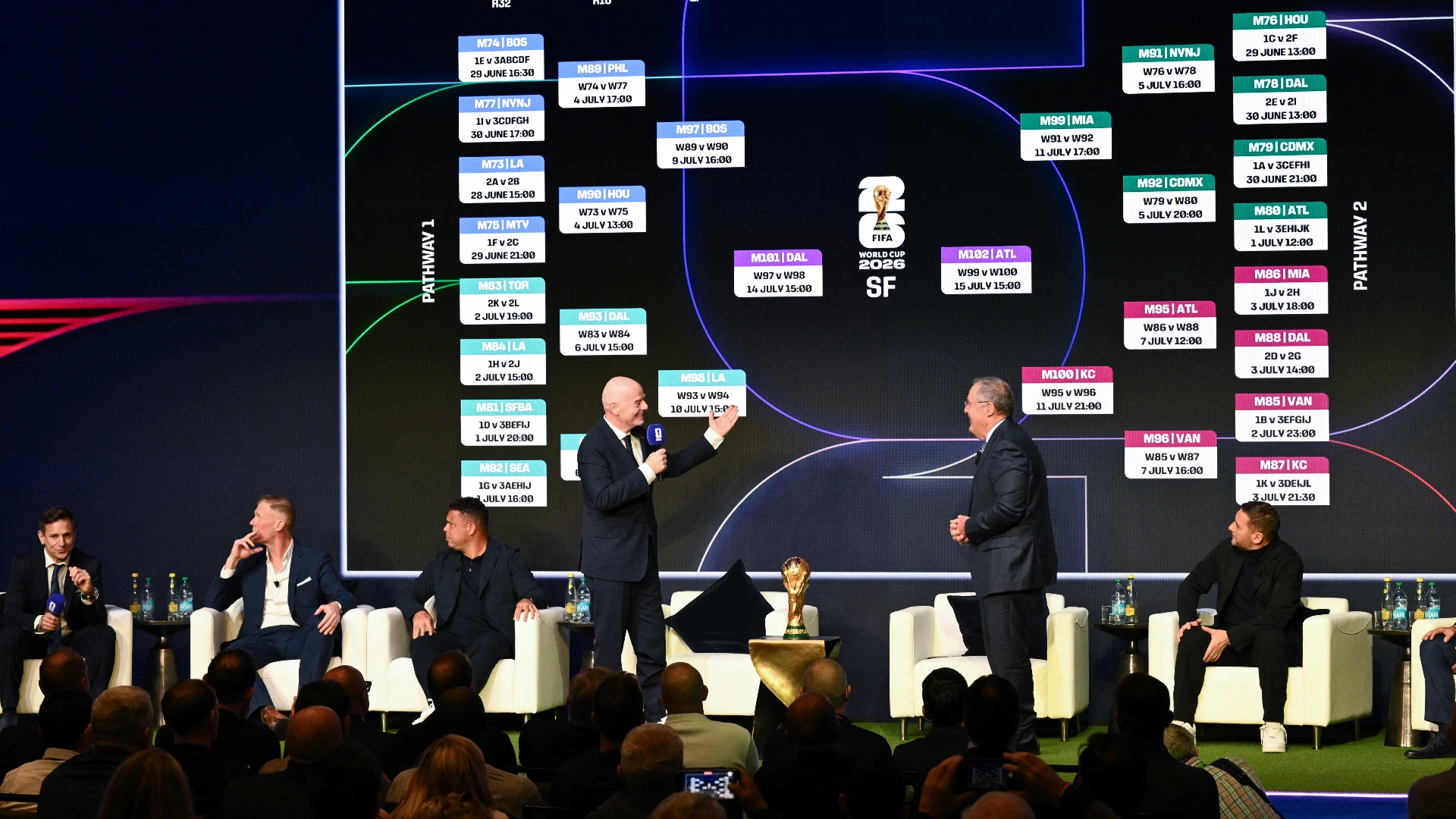
According to rumors gathered in federal circles, FIFA would in fact be considering leaving the three-team round K, with Portugal, Uzbekistan and Colombia, without replacing the Democratic Republic of Congo. A choice that would entail a recalculation of the third-place finishers: the best eight would be determined only on the basis of the results obtained against first and second in their group, thus eliminating any advantage or disadvantage resulting from the different number of matches played.
The hypothesis has already opened a sports-political front of enormous proportions, and it is precisely in Africa that the discussion is being ignited most strongly. Nigeria and Cameroon, surprisingly excluded after qualifying, have already made it known that they consider themselves natural alternatives to Congo, arguing that their presence would not alter the geographical balance of the group. Both federations have reiterated their willingness to leave immediately and comply with any health protocols in order to be reinstated in the tournament.
Their position is clear: if Congo cannot participate, priority should go to another African national team, not a European one, but Italy remains a real option. Indeed, the group in question contains only one European team, Portugal, and the inclusion of the Azzurri would not upset the overall geographical distribution. Moreover, the FIFA ranking and the structure of the repechage criteria make the national team one of the first candidates in case of direct substitution.
In a World Cup already marked by geopolitical tensions, sanitary protocols and unprecedented decisions, the Congo affair risks becoming the new epicenter of a global confrontation. The feeling is that FIFA wants to avoid hasty choices and is looking for a solution that holds together sport equity, health security and political stability. Time is running out, however, and every hour that passes brings the tournament closer to a crossroads that could change the history of the World Cup.