World Cup 2026 and Artan case: Gianni Infantino tries, in vain, to restore calm
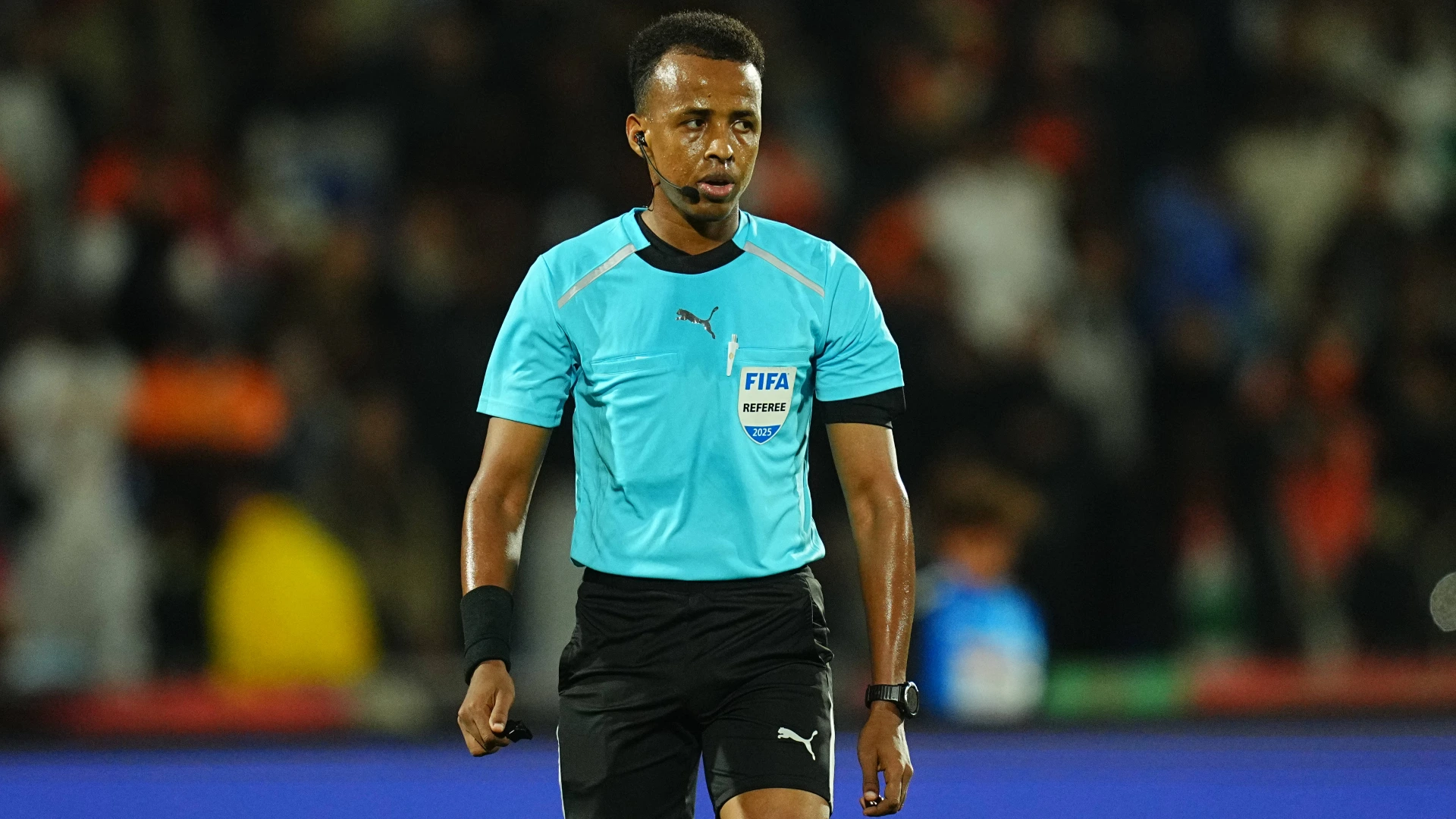
Even before the 2026 World Cup officially begins, their star player has a name and a provenance that few would have expected. He is Omar Abdulkadir Artan, a Somali referee who was denied a visa by the United States to enter the country and thus direct the matches for which he was designated by FIFA itself. It was a case that had the world debating and on which, on the day before the event began, Gianni Infantino wanted to have his say. But if the intent was to restore calm, his mission can be described as far from accomplished.
“What happened to the Somali referee is unfortunate,” the FIFA president said at a press conference. “However, we cannot control everything, even if we try. We will discuss it, talk again and see what to do. In certain cases it is good to calm down, relax, work on every aspect and try to solve all the problems. To start screaming right away can instead give rise to results opposite to the one hoped for.”
On Artan, then, Infantino added, “We always try to find a solution, you have to believe me. But we are not the kings of the world, we cannot override governments and law enforcement. We have to respect that. We are a sports organization and that’s it.” Despite this, however, the FIFA president did not disavow his excellent relationship with Donald Trump. “Without his commitment and involvement, it would have been impossible to organize a World Cup in the United States,” he said.
Artan’s profile makes the case even more emblematic: awarded in 2025 as the best African referee of the year, he had been selected by FIFA among the 52 referees for the final stage of the tournament. He would be the first Somali referee to direct a World Cup match. Despite holding a regular visa, he was sent back to Turkey, from where he had left via Kenya, because of the visa suspension imposed by the Trump administration for 75 countries earlier this year, including Somalia. The U.S. administration justified the measure by claiming that Artan would have ties to “suspected members of terrorist organizations.” Upon his return to Mogadishu, the referee was greeted by hundreds of fans and the Somali Minister of Youth and Sports, effectively becoming a national hero. “I promise you, God willing, I will participate in the next World Cup,” he said at the airport, adding, “Somalia belongs to us, whether it is in a difficult situation or not. That flag and that passport belong to us. It is up to all of us to defend the name of Somalia.”
Artan’s, however, is only the most striking incident in a series of border tensions involving several delegations. Iraq attacker Aymen Hussein was detained for seven hours in a room at the Chicago airport and subjected to lengthy interrogation before being allowed to enter the country, while his national team’s photographer, Talal Salah, was permanently turned away. Tight controls, with metal detectors and drug-sniffing dogs, also affected the Uzbekistan national team, coached by Italy’s Fabio Cannavaro, which was searched upon arrival in New York: videos of the scene quickly went viral. The Iranian federation, for its part, has also denounced the revocation of the quota of tickets reserved for its fans for group stage matches, calling the decision “contrary to the spirit of international competitions.”
Interjected directly on the issue, Trump chose to gloss over it with a few words, uttered in the Oval Office: “Let’s let the right people in.” The tycoon also dismissed criticism of ticket sales figures, claiming that “the World Cup has never been so successful.” A response that, predictably, caused as much discussion as and more than the controversy he intended to dismiss.
Throwing further gasoline on the fire was the front page of ‘L’Équipe,’ which chose a vitriolic cover titled “Welcome to the USA”: Trump portrayed with the “FIFA Peace Prize” medal around his neck, the World Cup in one hand and Infantino transformed into a puppet in the other, with referee Artan and a masked ICE agent on either side. In the United States, the cover has been branded by many as a political provocation, while FIFA has once again reiterated that it has no role in the host country’s migration policies. The World Cup is ready to go, but the tension around the event seems destined not to subside.