August 1, 1976, when Niki Lauda defied death at the Nürburgring
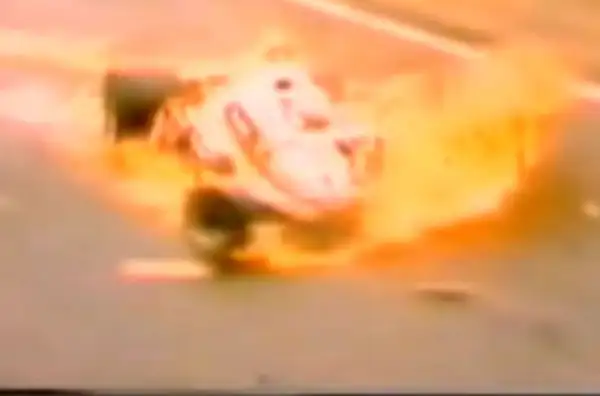
August 1, 1976, remains one of the most dramatic dates in Formula 1 history. Exactly fifty years ago, during the German Grand Prix held on the treacherous Nürburgring Nordschleife, Niki Lauda was involved in a crash that nearly cost him his life. The Ferrari veered off the track, crashed into the barriers, and was quickly engulfed in flames. The Austrian driver suffered severe burns and lung damage that would permanently alter his physical appearance, but he managed to survive thanks to the courage of the other drivers who came to his aid.
The accident occurred during the second lap of the final Grand Prix held on the famous Eifel circuit, which is nearly 21 kilometers long and considered one of the most challenging and dangerous tracks in the world. A mechanical failure caused the Ferrari to lose control, and it caught fire after the impact. Brett Lunger, who arrived moments later, struck the wrecked car, while Lauda—now helmetless and unconscious—remained trapped in the burning wreckage for over thirty seconds.
The intervention of several teammates, including Arturo Merzario, was crucial; he managed to pull the world champion from the cockpit. Rushed to the hospital, Lauda underwent a long series of surgeries and skin grafts, fighting a difficult battle between life and death.
His extraordinary willpower, however, became evident just a few weeks later. Just six weeks after the terrible accident, he returned to racing in the Italian Grand Prix at Monza, securing an incredible fourth-place finish. He later explained that he had chosen to return to racing immediately to prevent fear from taking over: he wanted to put that trauma behind him without dwelling on it too much.
His determination paid off. In 1977, he won his second world title, before making a surprise retirement in 1979 with the famous line: “I don’t want to keep going around in circles like an idiot anymore.” Three years later, he returned once again to Formula 1, and in 1984 he won his third and final world championship.
In the years that followed, Lauda learned to live with the memory of the accident, often addressing it with his characteristic sarcasm. He even went so far as to describe that hellish experience as a mere “barbecue” and never missed an opportunity to joke about the scars he sustained that day.
After retiring from racing, he also made a name for himself as an entrepreneur in the aviation industry and held leading roles in Formula 1, collaborating with Ferrari, Jaguar, and, above all, Mercedes. Together with Toto Wolff, he helped build the German team’s winning streak during the hybrid era.
The red cap, which he also wore to cover the scars from the accident, became his unmistakable symbol and helped transform him into a globally recognized icon. His rivalry with James Hunt and the 1976 season were also depicted in the 2013 film *Rush*.
After a lung transplant in 2018, Lauda’s health progressively deteriorated. He died on May 20, 2019, at the age of 70, leaving a legacy that goes far beyond his three world championships: that of a man who managed to turn a tragedy into an extraordinary story of courage, resilience, and rebirth.