More passion, fewer goodbyes at Montevecchia soccer: Sabrina Redi’s project for young athletes
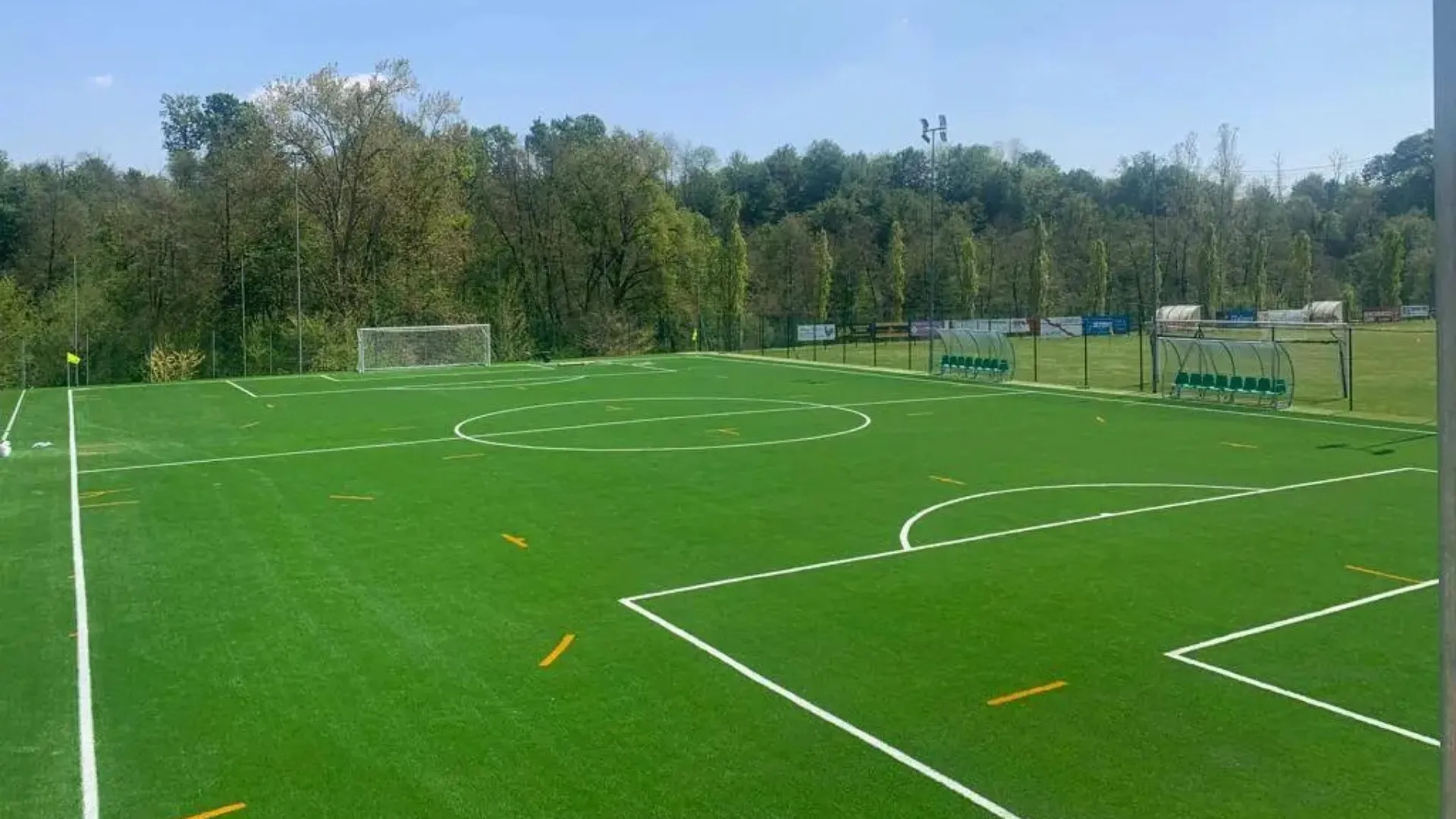
Montevecchia soccer at the forefront. We talked about it with Sabrina Redi, who is part of the staff of the Lecchese club’s Under-17 team.
How important is the mental aspect in the path of young soccer players?
A youth sector manager must recognize how the mental component is decisive. Almost half of the youngsters who drop out before the age of 16 do so because of stress: too much pressure, less fun, and difficulty in dealing with mistakes. When a young person avoids a risky play, it is often not a technical choice, but a sign of a fear built up over time. Ignoring this aspect means working only on one part of the footballer.
What kind of environment does it take to really develop youngsters?
An environment that is attentive to all aspects makes it possible to train athletes who are more motivated and ready to deal with pressure, while also reducing the risk of dropping out. Conversely, an environment that neglects these factors can generate ongoing stress, with negative consequences in both sports and personal life. In these dynamics, the weight of external judgment, from coaches, parents, and observers, can become decisive.
Can sports be more than competition?
Absolutely. Sports is also a different space, almost a world apart, where kids can disconnect from everything else: school, pressures, daily problems. On the field you create an environment with simple rules, where commitment, respect and the desire to improve count. Real relationships are born here: training, fatigue, victories and defeats are shared. This is how solid friendships are built and people learn to cooperate, trust and face difficulties together.
What educational value does sport have?
It is a complete educational path. It helps develop discipline, responsibility and the ability to face challenges. It teaches how to handle both victories and defeats while maintaining balance. These are skills that go far beyond the field and accompany kids in everyday life.
How much does sports affect overall well-being?
Very much. Playing sports is real medicine for body and mind. It improves physical health, but it also helps to clear the head, reduce stress and regain balance. After a workout you feel better and face things with more clarity. That’s why it’s important to convey to young people the value of sports not just as competition, but as an opportunity to feel good and build something positive.
What role do parents and family environment play?
A key role, often underestimated. A well-formed young person is one who maintains intensity, seeks confrontation and sees mistakes as part of growth. But parents can greatly influence this path, for better or worse. If the pressure becomes too much, it risks being counterproductive. That is why it is useful to involve them, explain the method of work and make it clear that the result is not the only parameter. Consistency is needed between the sporting and family environment, otherwise it creates stress that is difficult for the boys to handle.
The red and white club is in the midst of signing up for the Under-17 team that will take part in next season’s championship: for information contact Sabrina Redi (3280192128) and Michael Tomasini (3291373849)