
Italy’s repechage to World Cup, no licensed vaccine against this Ebola outbreak: increases
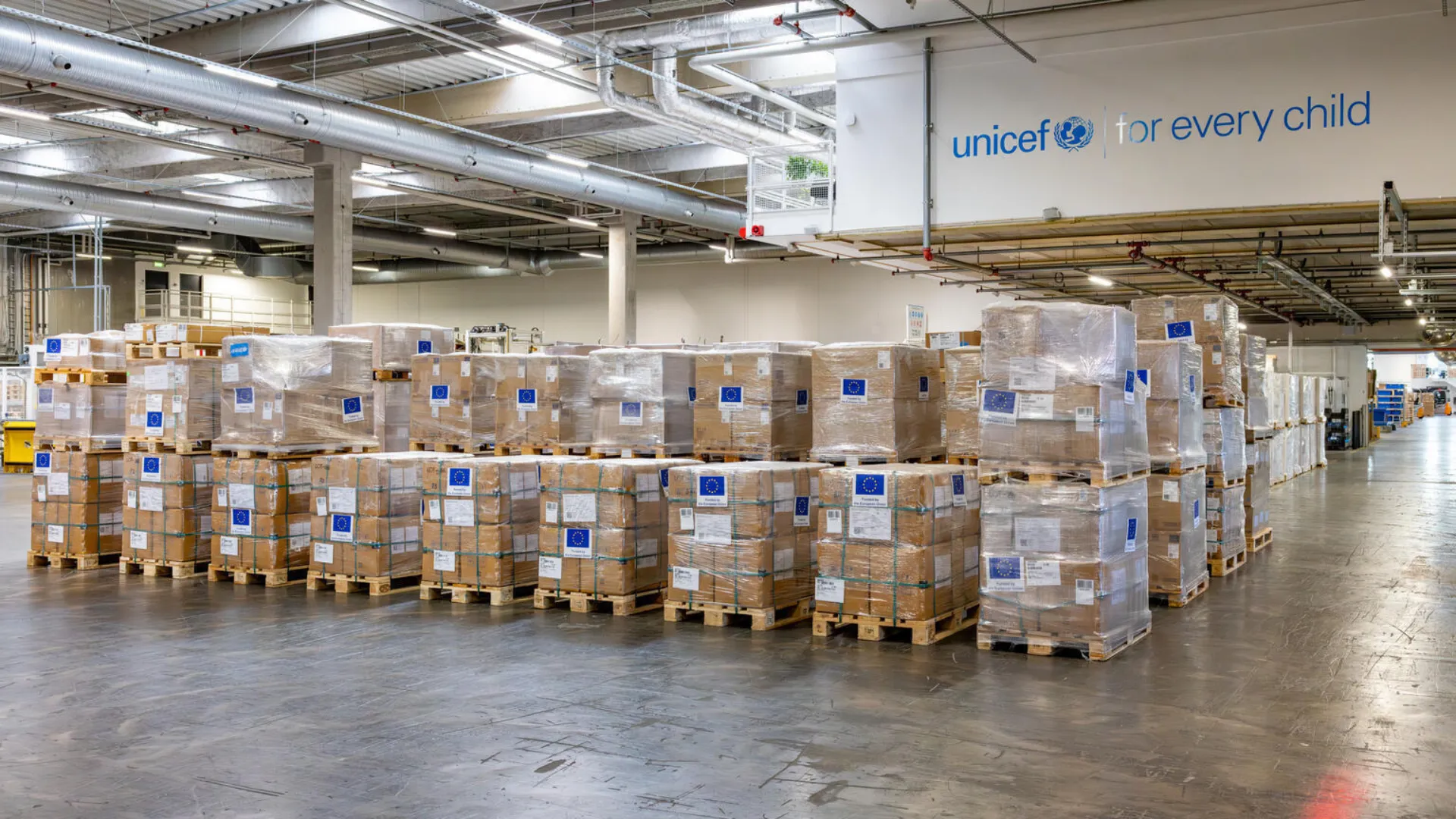
While, in reflection, the dramatic situation could affect the Democratic Republic of Congo’s participation in the World Cup, the European Union and UNICEF are mobilizing more than 100 tons of essential aid to support the Ebola response in the African country, where children, families and frontline health workers are facing a rapidly expanding epidemic in Ituri province. UNICEF is arranging airlift from Liege Airport in Belgium via the European Union’s Humanitarian Airlift to support response efforts for some 100,000 people.
The aid, mobilized from European Union stocks held at UNICEF’s Global Supply and Logistics Center in Copenhagen, Denmark, includes essential medicines, infection prevention and control items, personal protective equipment (PPE), cholera and malaria treatment aid, high-performance tents and related equipment. The expedition aims to strengthen frontline response capacity and to support national health institutions and operational partners who are responding to the outbreak.
The mobilization comes as UNICEF intensifies its response to protect children and families affected by the Ebola outbreak in the Democratic Republic of Congo, which the World Health Organization (WHO) has declared a Public Health Emergency of International Significance. UNICEF is working with national authorities, WHO, the African Centers for Disease Control and Prevention (Africa CDC) and partners to strengthen infection prevention and control, risk communication and community engagement, water supply, sanitation and hygiene, and protection support.
“This outbreak once again underscores the importance of preparedness, international cooperation and rapid response,” said Hadja Lahbib, European Commissioner for Humanitarian Aid and Crisis Management. “The EU is working hand in hand with UNICEF and all our partners to support response efforts on the ground, strengthen surveillance and ensure that aid reaches those who need it most. Our collective action is essential to contain the epidemic and save lives.”
The Ebola outbreak is caused by the Bundibugyo strain, a less common form of the virus for which there are currently no licensed vaccines or specific treatments. The epidemic is developing in a difficult operating environment characterized by insecurity, restricted access and high population mobility, which increases the urgency for rapid and coordinated support.