World Cup 2026: who will win the World Cup according to supercomputers
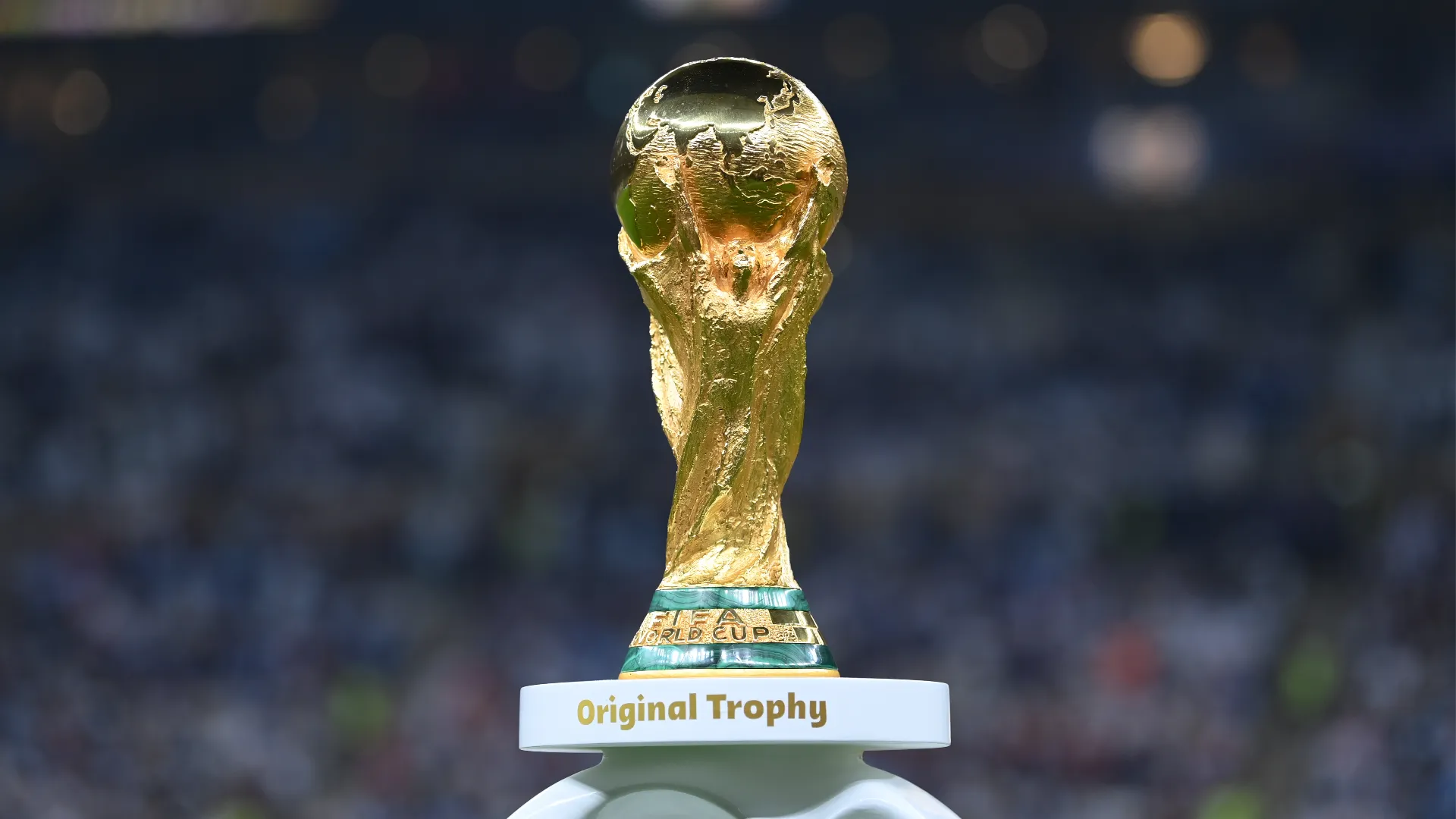
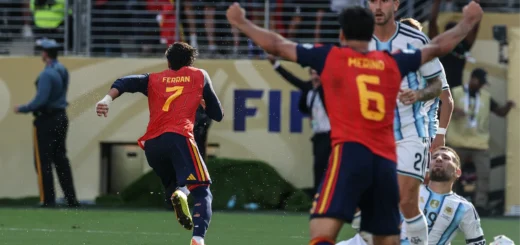
The anticipation is rising for the start of the 2026 World Cup, the biggest ever with as many as 48 teams at the start but unfortunately still without Italy, eliminated again in the playoffs for the third consecutive edition. Over the past few days, leading predictive models and several supercomputers have been running hundreds of thousands of simulations on how the World Cup will play out. The two big national favorites are considered France and Spain.
Opta’s supercomputer has simulated the tournament 25 thousand times, assigning Spain a 16 percent chance of winning ahead of France (13 percent), England (11 percent) and Argentina (10 percent). In contrast, the Sportradar algorithm, capable of up to 100 thousand simulations, predicts a final between France and Spain with a 50 percent chance by both national teams of winning the title.
In contrast, FindSisterSites’ supercomputer gives France as the winner, while TalkSport AI’s algorithm predicts Spain will win the second World Cup in its history. Also making headlines was the peculiar prediction of researcher Joachim Klement, whose mathematical model guessed the winners of the last three World Cups (Germany, France and Argentina). According to Klement, it will resoundingly be the Netherlands that will win the World Cup.
Among the voices urging not to take the France-Spain duopoly for granted is also that of Nicola Ventola. The former striker, asked on the sidelines of the El Porteño Golden Cup polo finals, wanted to turn the spotlight on a third candidate: “Everyone talks about France and Spain, but I also believe a lot in the luck that some players manage to attract. That’s why I say watch out for Portugal: Cristiano Ronaldo is someone who seems to have a good star and can drag the team. Watch out for them.” Ventola, during the same interview with Sportal.it, also expressed a clear position on Italy’s absence: “Even if there had been a chance, I would have refused. We did not qualify on the field and it is right not to participate.”
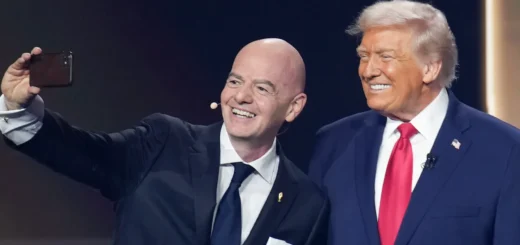
In its today’s edition, L’Équipe dedicated its front page to the World Cup with a vitriolic image: Donald Trump portrayed wearing the “FIFA Peace Prize” medal around his neck, the World Cup in one hand and FIFA President Gianni Infantino turned into a puppet in the other, with referee Artan (rejected at the airport) and a masked ICE agent on either side. The headline, “Welcome to the USA,” set off a political and sporting storm, with mixed reactions between those in the United States who branded the cover as a provocation and those in the soccer world who read it as a legitimate denunciation of the mingling of politics and sports governance. FIFA has reiterated that it has no role in the host country’s migration policies. The World Cup is ready to go, but the tension around the event seems destined not to subside.