Antonio Rattin has died: his ejection from a game led to the introduction of cards in soccer
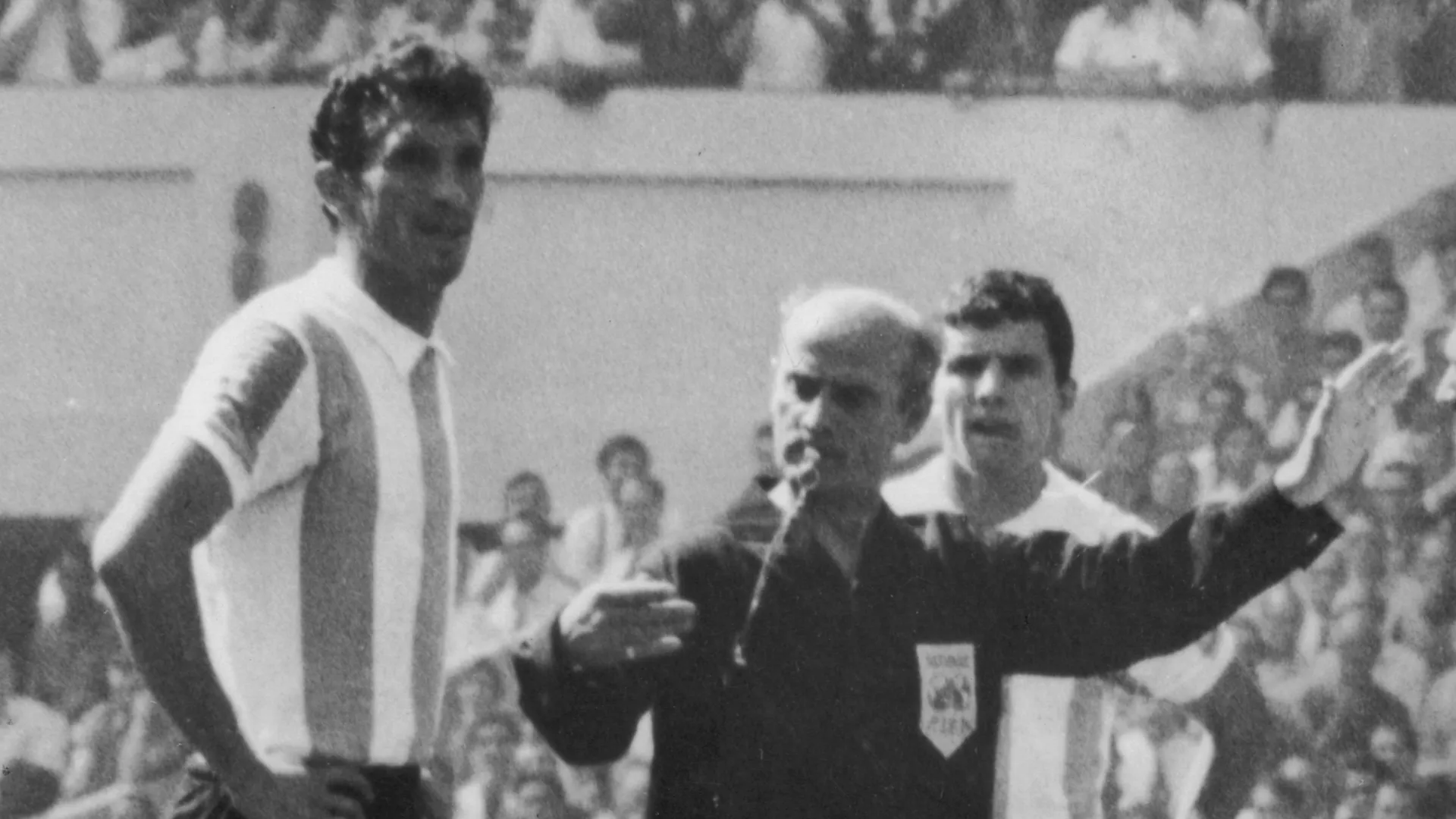
Antonio Ubaldo Rattin, the legendary captain of the Argentine national team, died Saturday at the age of 89. A stalwart of Boca Juniors from 1956 to 1970, he captained the Albiceleste at the 1966 World Cup. It was there that he played a pivotal role in the history of soccer: a famous incident at Wembley on July 23, 1966—in which he was the central figure—was essentially decisive in the introduction of the yellow card for a warning and the red card for a sending-off.
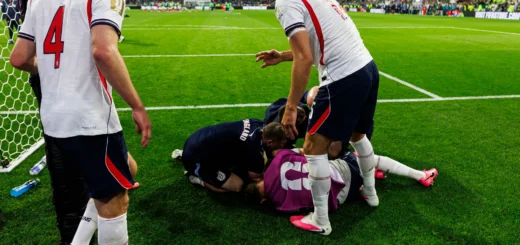
The events, which sparked fierce controversy at the time, have been recounted many times even today, bringing Rattin himself widespread recognition. The captain of Argentina, playing against England in the World Cup quarterfinals, was sent off by German referee Rudolf Kreitlein for protesting. However, the two were never able to resolve the matter verbally due to the language barrier between them (the player spoke only Spanish, while the referee spoke only German). Play was halted for several minutes—about eleven—as the situation reached an impasse that seemed nearly insurmountable. This gave Ken Aston—the infamous referee of the 1962 Chile-Italy match who had since become president of the FIFA Referees’ Committee—an idea: to introduce a code immediately recognizable to anyone, inspired by traffic lights. Thus, starting with the 1970 World Cup, yellow became the color of the cards shown to players receiving a caution, and red the color for those sent off.
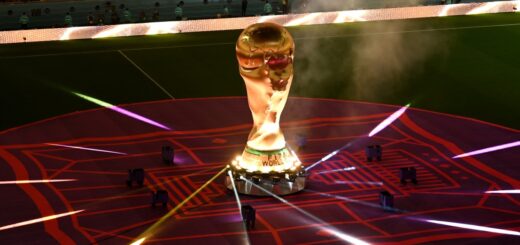
Rattin, who was born in Tigre in 1937 and was a tenacious midfielder, later entered politics and in 2001 became the first former soccer player to hold a seat in Argentina’s Chamber of Deputies, elected with the Partido Unidad Federalista. Also known for his height—which was decidedly unusual for his time (1.93 meters)—he participated in the 1962 World Cup as well as the 1966 World Cup, and, curiously, passed away while another World Cup was underway. And it was precisely the tournament in which fierce controversy erupted over a red card: the one shown to Folarin Balogun in the United States vs. Bosnia match.
The Balogun case, after all, took on proportions far greater than a simple on-field incident. FIFA’s Disciplinary Committee had decided to suspend the automatic suspension by applying Article 27 of its Disciplinary Code—an unprecedented move in World Cup history that had sparked a diplomatic and sporting uproar. Even Sepp Blatter, former FIFA president, had spoken out harshly on social media against his successor Infantino: “Red cards are not overturned by political phone calls. They are overturned by rules, evidence, and independent bodies. If a U.S. president intervenes with the FIFA president, and a player is suddenly cleared before a World Cup knockout match, the question is inevitable: Quo vadis, FIFA?”
However, the reprieve granted to Balogun was not enough for the United States to advance in the tournament: the hosts were crushed 4-1 by Charles De Ketelaere’s Belgium in the Round of 16 played in Seattle, exiting the competition along with the other two host nations, Canada and Mexico. A far from brilliant showing for those who had bet on home-field advantage. Even Christian Pulisic, one of the most highly anticipated players, had to leave the field early, limping after suffering an injury.
FIFA’s decision also risked turning into a veritable Pandora’s box, paving the way for similar requests from other national teams. Following protests from UEFA and the Belgian Football Association, both England and France announced their intention to file similar appeals: the Football Association had considered challenging the red card shown to Jarrel Quansah against Mexico, while Les Bleus had sent FIFA a formal request to overturn the yellow card given to Olise against Paraguay. It was a climate of controversy that Rattin—who, despite himself, became the central figure in an incident that forever changed the language of refereeing—would likely have recognized as all too familiar.