Cristiano Ronaldo tells his side of the story and takes everyone by surprise
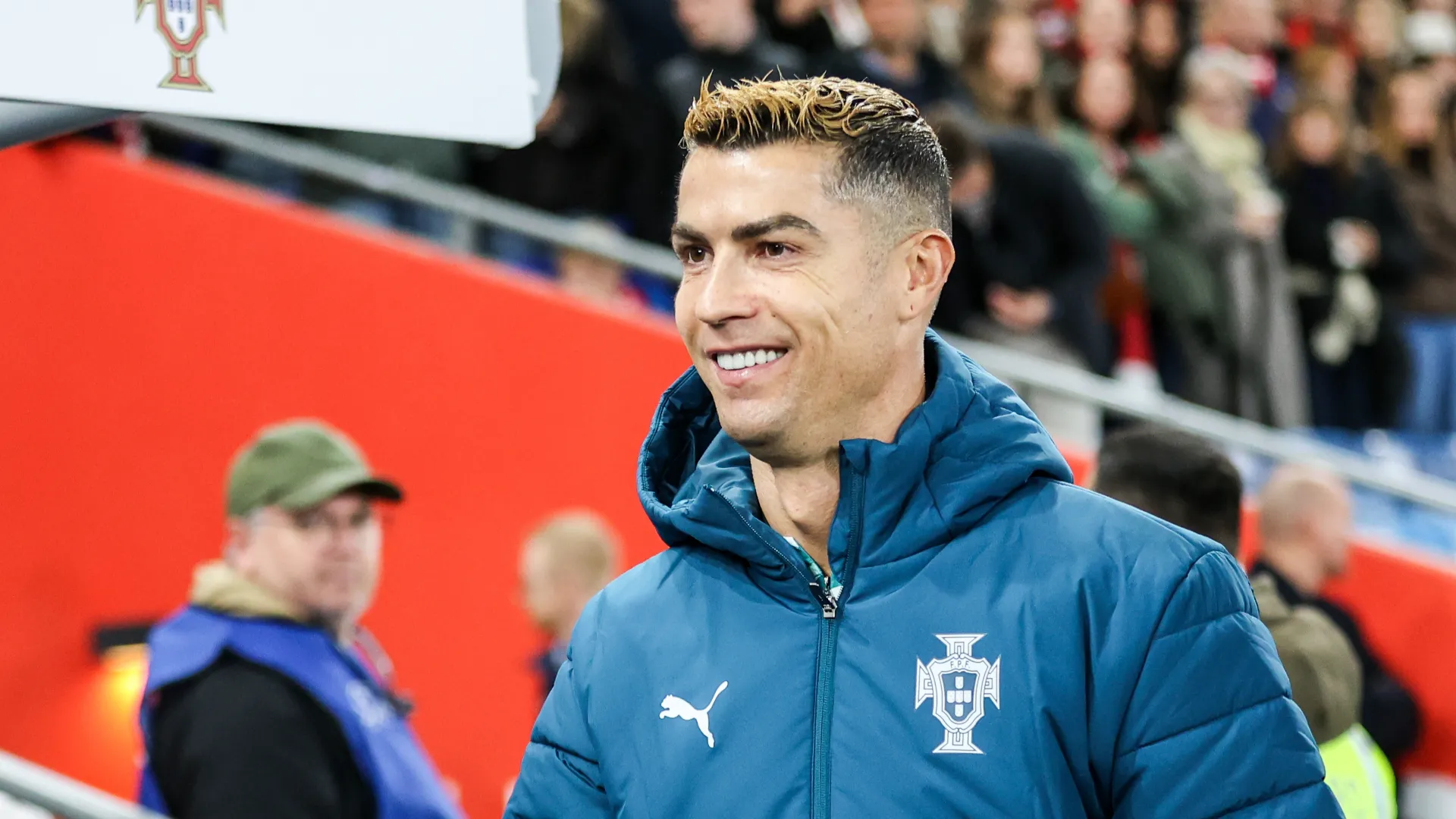
Cristiano Ronaldo posted a statement on Instagram in which he broke his silence following his dramatic walkout from the Portuguese national team’s training camp. CR7, who had walked out after sitting on the bench for the entire 90 minutes of the match against Norway on September 27, does not forgive head coach Juan Jesus, whom he once again harshly criticizes, but at the same time apologizes for his decision: He is ready to accept a suspension and then return to play for his country.
“The coach told me he was counting on me and that my presence was essential to his plan. He laid out a plan for my participation right then and there. He told me I would play the first and last matches and that, for fitness management reasons, he would always make three or four substitutions per game.”
“(…)At lunch on the day of the match in Norway, an assistant coach approached the table where the team was eating and informed me that the head coach wanted to speak with me. To my great surprise, the head coach asked me if I was able to play 30 minutes. I was completely focused on my physical recovery, getting along with my teammates as always, and I thought I wouldn’t be playing that day. No problem at all. This request was outside my recovery and training schedule, since I was only supposed to play on the 4th at Do Dragão, but of course I said yes. He replied that I’d have to be ready then because I’d be playing 30 minutes. Everyone knows the rest. I warmed up at halftime, watched the minutes tick by, and wasn’t called onto the field. The coach went back on his word.”
“(…) Forty-eight hours later, we had a conversation. It was a profound moment, very frank, without any kind of filter. We agreed that there was only one way to resolve this “issue”: for the coach to repeat what he had just told me in private, but in the press conference room. What had been agreed upon was simple: the coach would begin the press conference by addressing this topic, seeking to put the matter to rest by telling the truth. He would say that I never asked to play even a single minute, that it was the coach and no one else who proposed the plan for this training camp to me, and that it was a mistake to have me warm up and then not let me play, and that if it happened again, he wouldn’t do it. We ended that meeting with the coach asking for a hug, promising me that he would say at the press conference what he had just told me, and that the issue would be resolved. I wouldn’t play in Denmark and I would play the match at the Dragão.”
“The press conference went as we all know: his attitude had nothing to do with our meeting; I heard words and aggression that I don’t think I deserve—an “I want, I can, and I’m in charge” attitude that he never showed me, not even remotely, in private the day before.”
My reasoning for leaving training camp: “I decided to leave training camp without waiting for further breaches of their word. For me, the truth is still the most important thing in relationships between people. No matter how much it might hurt, I want them to tell me the truth. In a conversation I had with the FPF President and the coach on the morning of that press conference—they can certainly confirm this—I reiterated that if they didn’t want me there, they should tell me. All they had to do was be honest with me. I would have accepted it, and I promised that we would put together something great—as I dream it will happen—and no one would have been upset. I remember it as if it were today.”
“They replied in unison, ‘No.’ They said my place was on the national team. Never, at any time, have I interfered in any technical or tactical decision made by any coach or official of the national team in my nearly 25-year career. I owe an apology to my national team teammates for leaving the training camp. Despite the complete breach of trust in the coach’s word—as those who witnessed these conversations can attest—I shouldn’t have done it. The responsibility is mine alone.”
“I apologize again to the Portuguese people, but breaking my word has, for me, a decisive impact. I felt that, from that moment on, my continued presence would only harm the team, and I did what I’ve always said I would do if I didn’t feel I was contributing: I packed my bags and left.”
“The consequences of my actions must be assessed and punished by the Portuguese Football Federation. I understand that there should be no mitigating factors in the punishment. I’m not just any player; I’m the team captain, and that’s an aggravating factor. I’ve already apologized, but I know that actions must have consequences. Anyone in soccer like me knows that, regardless of one’s status, the rules are the same for everyone.”