Jannik Sinner and Kimi Antonelli: Two Opposites—An Expert’s Opinion
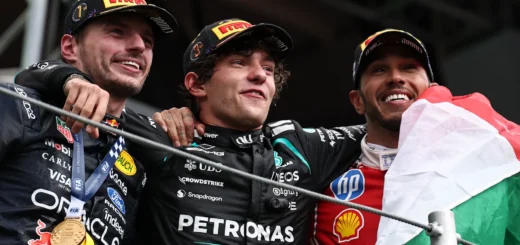
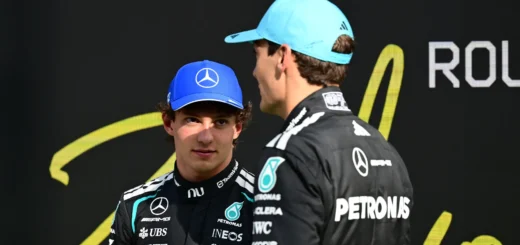
From the unusual pasta feast enjoyed right inside the Monza circuit to the strains of “Sarà perché ti amo” playing to celebrate the world championship title in Mexico, Kimi Antonelli is now, in every sense, the new face of Italian sports. But what are the mechanisms behind the construction of the Mercedes driver’s public persona? “The initial strength lies in the very nature of his achievement: an Italian young man dominating Formula 1 represents the perfect fusion of athletic talent, technological evolution, and engineering of the highest caliber. It’s a story that already possesses extraordinary intrinsic power,” explains Mario Tirino, professor of Sociology of Cultural Processes at the University of Salerno—where he also heads the Digital Cultures and Sports Research Laboratory—in an analysis for Adnkronos.
According to the expert, the 20-year-old from Emilia’s communication strategy is still in its early stages, but he is reaping enormous benefits from the golden age of Italian sports: “Antonelli’s triumph fits into a landscape rich with excellence, ranging from Sinner’s achievements to the feats in track and field by Jacobs and Tamberi. Even without a rigid or obvious social media strategy, his epic journey has immediate visual impact and media effectiveness.”
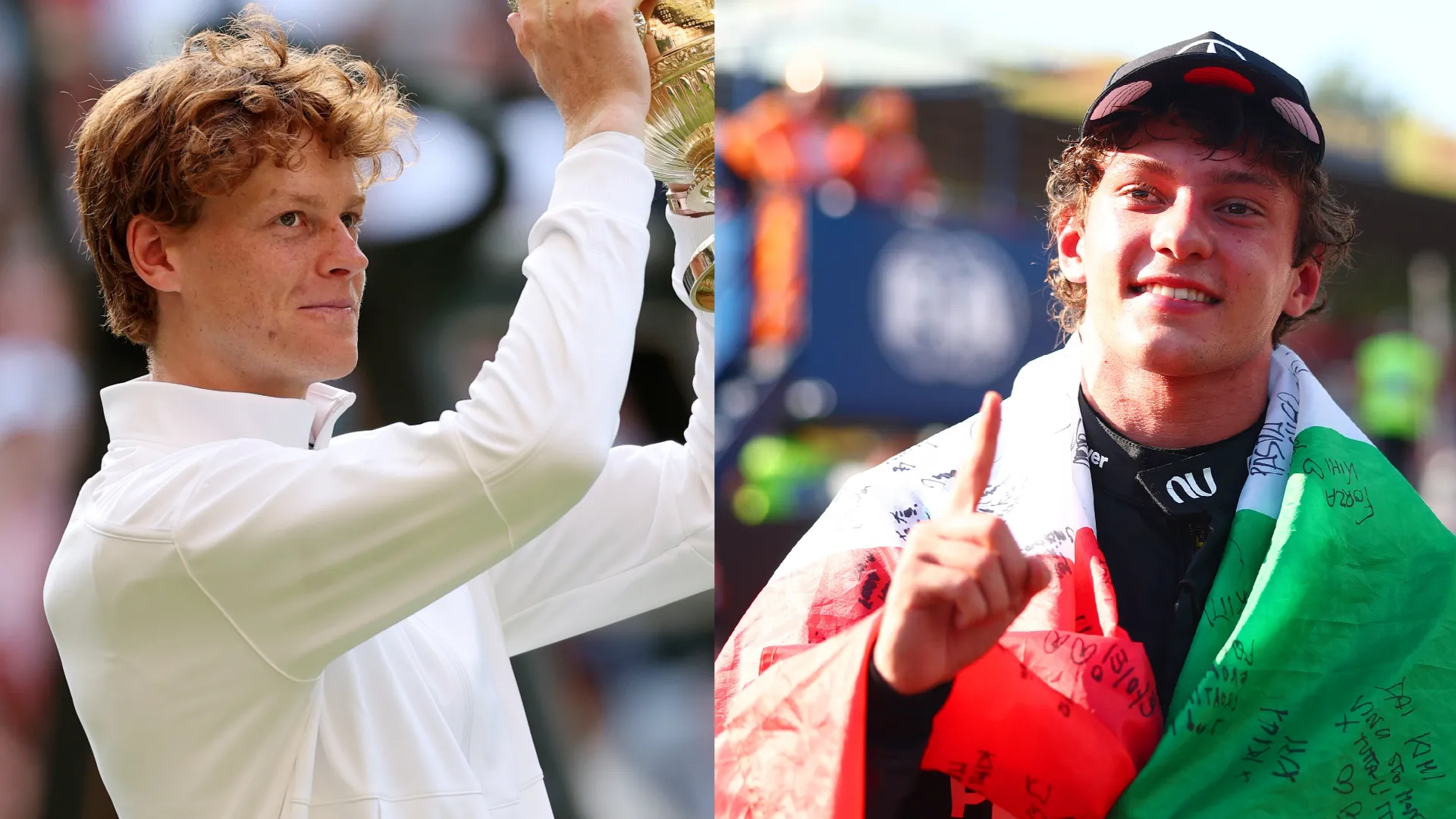
The parallel with Jannik Sinner, currently Italy’s most media-friendly athlete, highlights contrasting and fascinating dynamics. “We are faced with two mirror-image narratives,” observes Tirino. “Sinner’s persona is built on stability and competitive composure; Jannik projects the image of a professional who is confident in his abilities, capable of handling pressure and forced breaks with absolute composure. In contrast, Antonelli’s narrative relies on the extraordinary and on breaking the mold.”
At twenty years old, Kimi is in fact the youngest driver ever to be crowned Formula 1 world champion, as well as the first world champion born in the new millennium, ending an Italian drought that had lasted since 1953 with Alberto Ascari. “Exceptionalism is his defining trait. Consider his memorable comeback at Monza in September, where he claimed the top step of the podium after starting from the back of the grid, securing a victory that had eluded an Italian driver for six decades.”
The Mercedes driver’s branding conveys a fresh take on Italian identity, far removed from old institutional or political paradigms. It’s a lighthearted, carefree brand of patriotism that evokes the imagery of “La Dolce Vita” or the style of the 1980s—perfect for international markets. The snapshot of him eating a plate of pasta at the Monza trophy ceremony is the perfect symbol of this.
However, the target audience isn’t just domestic. “Both Antonelli and Sinner are now global brands that speak to a worldwide audience,” the sociologist explains. Kimi, in particular, brings the freshness of his youth to the screen: “He comes across as at ease in front of the microphones and genuinely conveys his euphoria over the milestones he’s achieving.”
The world title inevitably propels Antonelli into the pantheon of Italian legends, alongside giants such as Roberto Baggio, Alberto Tomba, and Valentino Rossi. While the comparison with MotoGP’s “Doctor” comes naturally because of the engine, Tirino urges caution: “Rossi managed his image with flashes of theatrical and exuberant communicative genius, fueling the myth through historic rivalries and always putting himself out there. Today, the landscape has changed. In the age of social media, constant exposure carries enormous risks: when an athlete becomes a commercial brand, a single misstep in terms of reputation can result in serious financial damage. Kimi, however, maintains a strong sense of authenticity.”