NBA Europe, Federbasket pulls straight but debate remains open
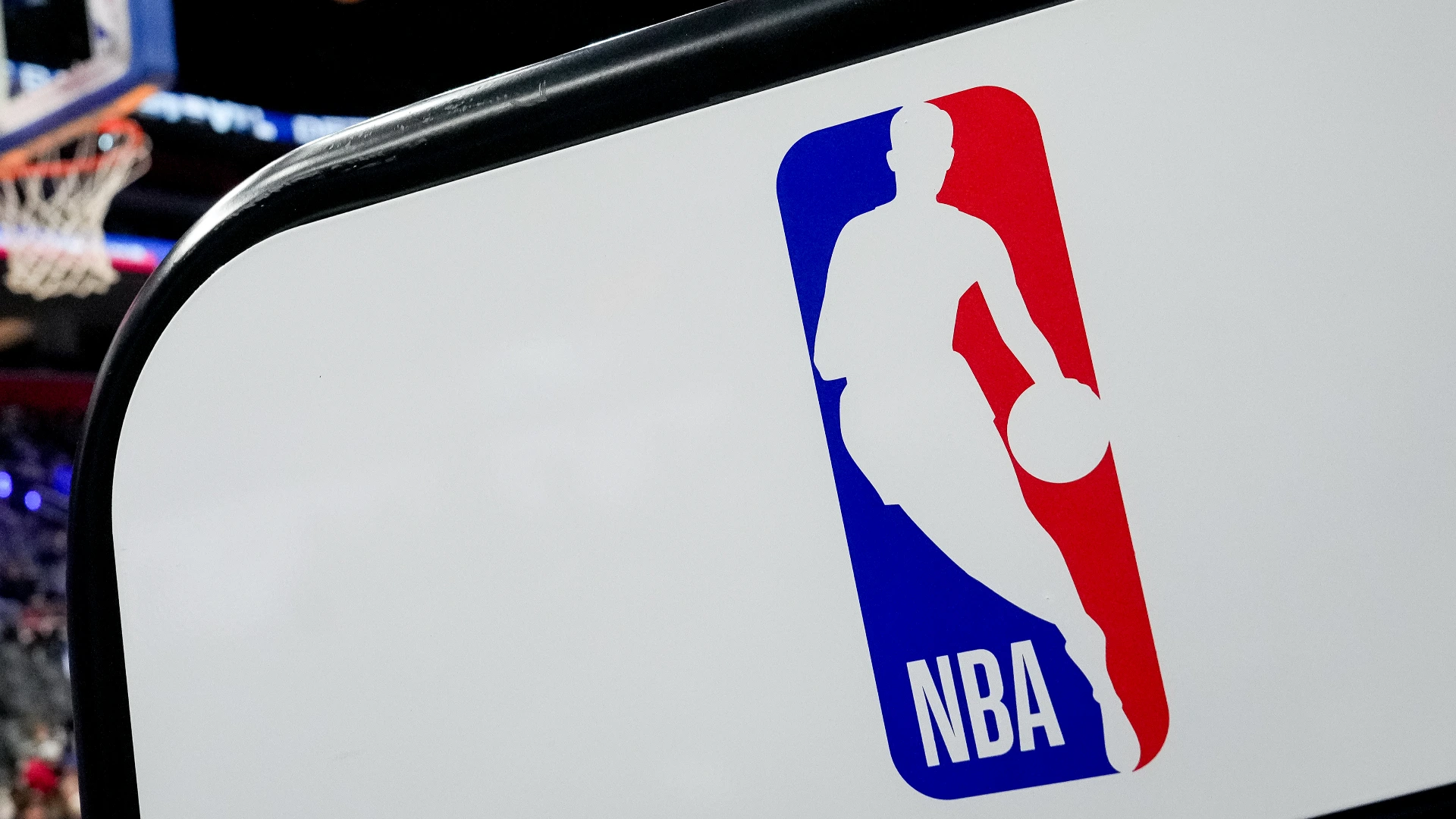
The Italian Basketball Federation has every intention of keeping the bar high on the possibility of being involved in the NBA Europe project, reiterating in an official note released Wednesday its willingness to continue the dialogue to that end. “The Federation,” the note reads, “registers the great ferment that has developed regarding the NBA’s choice of clubs that will be part of the next European league. Contacts are continuing between all parties involved.”
“The hope,” the FIP continues, “is that we can finally reconstitute a clear European basketball system and an international calendar that, while respecting the health of the athletes, will ensure that they can play with their national teams, feeding, in the interest of all, the passion of fans and the attention of sponsors. The reference, not even too veiled, is to the FIBA-Euroleague dualism that in recent years has led to a real split in Old Continent club basketball, with an effect on the national teams as well.
The central issue, however, is not only Italy’s place in the new continental scenario, but the very solidity of the domestic system. The last few weeks have shown how slippery the terrain is: Vanoli Cremona has made it official to transfer its sports title to Rome, ending a 23-year-long era and leaving the city without its iconic team. The decision was ratified by the FIP Federal Council on May 12, certifying a move that has shaken the entire movement.
At the same time, Trieste is also experiencing weeks of uncertainty. While the team is engaged in the playoffs, the corporate future remains an open issue and it is still impossible to determine with certainty what will happen between now and next season. In this context, the NBA Europe hypothesis is divisive: on the one hand, there are those who see the opportunity to fit into a richer, more visible and potentially more sustainable circuit. On the other, many fear that such an ambitious project risks distorting the Italian league itself.
The debate is also intertwined with tensions regarding regulations. Clubs have called for the urgent opening of a discussion table to review structural rules and athlete eligibility, denouncing economic and sporting criticalities that jeopardize the sustainability of the top movement. The League confirmed for 2026‑27 the current format, but stressed the need for reforms by the end of the year.
In this scenario, the FIP’s position on NBA Europe seems just another chapter in an affair still far from resolution: the Federation wants to be there, but at the same time it knows that Italian basketball is going through a delicate phase. And as the NBA Europe project continues to take shape, the goal is to make sure that the national movement arrives ready for the appointment, even as one part of the system looks to the future with enthusiasm and another fears that it may be taking a step too far.